
TL;DR
Health officials have confirmed a rise in Candida auris cases in multiple hospitals across the US. The fungus is resistant to many antifungal treatments, posing a serious infection control challenge. The situation is ongoing, and authorities are monitoring the spread.
Health authorities have confirmed an increase in Candida auris infections in hospitals across the United States, raising alarm over a drug-resistant fungal pathogen. This development underscores the growing challenge of managing infections caused by fungi that are increasingly resistant to standard antifungal treatments, impacting vulnerable patient populations.
Multiple healthcare facilities in the US have reported a rise in Candida auris cases over the past few months, according to the Centers for Disease Control and Prevention (CDC). The fungus is known for its resistance to multiple classes of antifungal drugs, complicating treatment options and increasing the risk of outbreaks in hospital settings.
CDC officials stated that as of now, over 300 cases have been confirmed nationwide, with several outbreaks linked to contaminated surfaces and medical equipment. The fungus primarily affects immunocompromised patients and those with prolonged hospital stays, especially in intensive care units.
Health experts emphasize that Candida auris is difficult to detect and eradicate, with some strains showing resistance to all three major classes of antifungal medications. Infection control measures, including enhanced cleaning protocols and patient isolation, are being implemented to contain its spread.
Why Rising Candida Auris Cases Pose a Public Health Challenge
The increase in Candida auris infections highlights a significant public health concern due to its high resistance to standard antifungal treatments and its ability to cause outbreaks in healthcare settings. The pathogen’s resilience makes infection control more complex and raises the risk of severe, hard-to-treat infections, especially among vulnerable populations.
This situation underscores the need for improved diagnostic methods, stricter infection prevention protocols, and ongoing research into new antifungal agents. The rise also prompts concerns about the potential for wider community spread if containment measures are not effectively enforced.
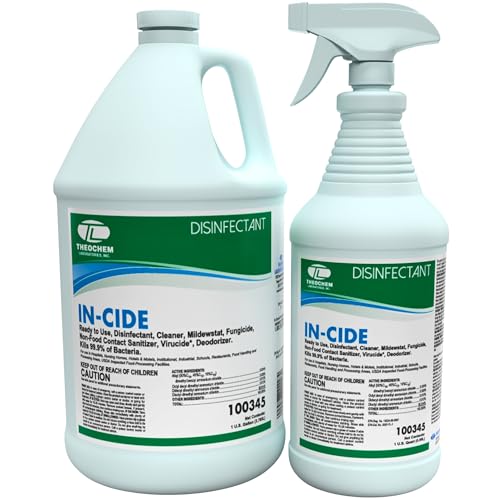
Theochem In-Cide Hospital Grade EPA Registered Disinfectant, 1 Gal + 32 oz
- EPA-Registered Hospital-Grade Disinfectant: Kills 99.9% of viruses and bacteria
- Effective Against MRSA and Influenza: Trusted by hospitals and schools
- Disinfects High-Touch Surfaces: Suitable for kitchens and bathrooms
As an affiliate, we earn on qualifying purchases.
As an affiliate, we earn on qualifying purchases.
Background on Candida Auris and Recent Trends
Candida auris was first identified in 2009 and has since emerged as a global health threat due to its resistance profile and ability to cause outbreaks. It is often misidentified in laboratories, which hampers timely diagnosis and response.
Over the past few years, reports of Candida auris have increased worldwide, with notable outbreaks in healthcare facilities across Asia, Europe, and North America. The CDC has classified it as an urgent threat, emphasizing the importance of surveillance and infection control.
Recent data indicates a steady rise in cases in the US, with the CDC issuing alerts to healthcare providers about the need for vigilance and strict hygiene practices to prevent further spread.
“Candida auris presents a serious challenge due to its resistance to multiple antifungal drugs and its capacity to cause outbreaks in healthcare settings.”
— Dr. Anne Schuchat, CDC

CleanSmart Daily Surface Cleaner and Pet-Safe Disinfectant, 16 oz (3 pack)
- Germ and Virus Elimination: Kills 99.9% of viruses and germs
- Food-Safe Disinfectant: Safe to spray on eating surfaces
- Pet and Kid Friendly: Free of harmful chemicals and fragrances
As an affiliate, we earn on qualifying purchases.
As an affiliate, we earn on qualifying purchases.
Uncertainties About Spread and Treatment Effectiveness
It is still unclear how widespread Candida auris will become in community settings beyond hospitals. The full scope of its resistance mechanisms and the effectiveness of existing antifungal treatments against emerging strains remain under investigation. Additionally, the exact factors driving recent increases are not fully understood.

Sterilization of Medical Devices
- Sterilizes Medical Devices: Effective sterilization process for medical tools
As an affiliate, we earn on qualifying purchases.
As an affiliate, we earn on qualifying purchases.
Next Steps in Monitoring and Containment Efforts
Public health agencies will continue surveillance to track the spread of Candida auris and evaluate the effectiveness of current infection control protocols. Researchers are also working to develop new antifungal agents and rapid diagnostic tools. Healthcare facilities are expected to strengthen hygiene practices and patient screening to prevent further outbreaks.

Personal Protective Equipment (PPE) Isolation Door Caddy, Nylon Oxford NFPA-701 Large Scale Flame Retardant Coating 18.5 X 31 Inch, Included 2 Hooks – Silver (with Back Pockets)
- Material: Clear plastic pockets for instructions
- Material: Nylon Oxford NFPA-701 flame retardant
- Cleaning: Wipe clean with disinfectants
As an affiliate, we earn on qualifying purchases.
As an affiliate, we earn on qualifying purchases.
Key Questions
What is Candida auris?
Candida auris is a type of fungus that can cause serious infections, especially in hospitalized or immunocompromised patients. It is known for its resistance to multiple antifungal drugs.
Why is Candida auris considered a threat?
Its high resistance to antifungal medications and ability to cause outbreaks in healthcare settings make it a significant public health concern.
How is Candida auris spread?
It primarily spreads through contact with contaminated surfaces, medical equipment, or infected patients within healthcare facilities.
Can Candida auris infections be treated?
Some infections can be treated with antifungal medications, but resistance is common. Treatment options are limited and depend on the susceptibility of the strain.
What can hospitals do to prevent spread?
Hospitals are advised to implement strict infection control protocols, including enhanced cleaning, patient isolation, and staff training.
Source: google-trends