
To prevent arguments before they start, use a five-sentence check-in focused on tone and clarity. Start by calmly expressing your feelings or observations without blame. Ask if your words could be misunderstood, and be open to feedback. Rephrase any concerns into neutral, problem-solving language. Finish by affirming your willingness to listen and understand. Mastering this simple approach helps keep conversations respectful and productive—if you want to discover more, keep exploring these techniques.
Key Takeaways
- Use a calm, respectful tone to foster openness and prevent defensiveness in conversations.
- Pause briefly before responding to assess your tone and message clarity.
- Rephrase accusatory language into neutral, problem-solving statements to reduce escalation.
- Keep sentences short and straightforward to ensure your message is understood clearly.
- Practice consistent self-monitoring to build habits that promote respectful, constructive dialogue.

Emotional Intelligence 2.0
great condition
As an affiliate, we earn on qualifying purchases.
As an affiliate, we earn on qualifying purchases.
Using Tone and Sentence Structure to Prevent Arguments

Have you ever wondered how a simple conversation can quickly turn into an argument? Sometimes, all it takes is a misstep in tone or a poorly structured sentence to set things off. That’s where a quick, intentional check-in can make all the difference. By pausing to assess your tone adjustments and sentence structure, you can steer conversations away from conflict before they escalate. This small step creates space for clarity and empathy, making it easier to communicate without hostility or defensiveness.
When you actively monitor your tone, you immediately influence how your words land. A calm, respectful tone signals that you’re open and willing to listen, even if you’re addressing a disagreement. Conversely, a sharp or dismissive tone can make the other person feel attacked, pushing them into a defensive stance. So, before you speak, check in with yourself—are your words coming across as confrontational, or are they intended to understand and resolve? Adjust your tone if needed. It’s a simple yet powerful way to keep the conversation constructive.
Sentence structure also plays a pivotal role in preventing arguments. Long, complicated sentences often leave room for misinterpretation, especially if your tone isn’t clear. Short, straightforward sentences tend to convey your message more effectively, reducing confusion. When you choose precise sentence structures, you make it easier for the other person to grasp your point without feeling overwhelmed or attacked. For example, instead of saying, “You always forget to do this,” which sounds accusatory, try, “I noticed this didn’t happen. Can we talk about how to improve it?” This change in sentence structure shifts the focus from blame to problem-solving, fostering a collaborative atmosphere. Additionally, incorporating clarity in communication can further prevent misunderstandings and promote mutual understanding.
The key is to incorporate these adjustments during your check-in, even if it’s just a brief moment before responding. Ask yourself if your tone might be misinterpreted and whether your sentences are clear and respectful. If needed, rephrase your thoughts to sound more neutral and constructive. This practice helps you communicate more intentionally, which can prevent misunderstandings from snowballing into arguments. Over time, these small but deliberate shifts will become second nature, making your conversations more productive and less stressful.
In the end, it’s not about avoiding disagreements altogether but managing how you approach them. By paying attention to tone adjustments and sentence structure during your check-in, you create a foundation of respect and clarity. This simple habit empowers you to navigate conversations with confidence and compassion, reducing the chances of conflicts spiraling out of control before they even begin.

Couples Conflict Resolution Workbook: Stop Fighting. Communicate Better. Solve Problems as a Team. (Relationship Skills Series)
As an affiliate, we earn on qualifying purchases.
As an affiliate, we earn on qualifying purchases.
Frequently Asked Questions
How Can Tone Influence Conflict in Conversations?
Your tone greatly influences conflict in conversations. When you’re aware of your tone, you can prevent misunderstandings and reduce tension. Friendly, calm tones foster open dialogue and conflict prevention, while harsh or dismissive tones can escalate disagreements. By practicing tone awareness, you stay mindful of how your words come across, helping to create a respectful environment. This proactive approach helps you navigate conversations smoothly and keeps conflicts from escalating unnecessarily.
What Are Common Sentence Structures That Trigger Arguments?
You might think you’re avoiding conflict, but passive voice and double negatives often trigger arguments. When you say, “It’s not that I don’t agree,” it sounds defensive, fueling misunderstandings. Using passive structures like “It was done by me” rather than active ones can create confusion. Double negatives, like “I don’t dislike it,” muddy your message, making others question your true feelings and sparking unnecessary disputes.
How Do I Recognize When My Tone Escalates Tensions?
You recognize your tone escalating tensions by practicing emotional awareness and paying attention to nonverbal cues. If you notice your voice rising, becoming more clipped, or your facial expressions tightening, it signals your tone is shifting. Be mindful of these signs, pause to breathe, and adjust your words to stay calm. Staying aware of your own feelings and nonverbal signals helps prevent misunderstandings and keeps conversations constructive.
Can Changing Sentence Structure Defuse Ongoing Disagreements?
Changing your sentence structure can definitely help defuse ongoing disagreements. When you use mindful sentence framing and word pairing, you communicate more calmly and clearly, reducing defensiveness. For example, replacing accusatory phrases with neutral ones shifts the tone. By deliberately adjusting your sentence structure, you promote understanding instead of conflict, encouraging the other person to stay open and engaged, which can de-escalate tensions and foster positive dialogue.
What Are Quick Tips for Maintaining Calm During Tense Discussions?
Think of tense discussions as a storm on the horizon. To stay calm, harness emotional awareness—recognize your feelings before they boil over. Practice active listening, like tuning into a delicate melody, to truly understand the other person’s perspective. Take deep breaths, pause before responding, and keep your tone steady. These quick tips help you navigate the storm with a steady ship, transforming tension into understanding and connection.

Active Listening 1 Teacher's Manual with Audio CD (Active Listening Second edition)
Used Book in Good Condition
As an affiliate, we earn on qualifying purchases.
As an affiliate, we earn on qualifying purchases.
Conclusion
By mastering this five-sentence check-in, you can calm conflicts before they ignite. With mindful words and measured sentences, you craft a caring connection that shields against misunderstanding. This simple yet powerful practice promotes peace, patience, and positive pathways. When you prioritize patience and perspective, you create a comfortable, conflict-free container. Remember, a thoughtful, tame tone turns tense moments into tranquil memories, transforming arguments into affirmations of understanding.
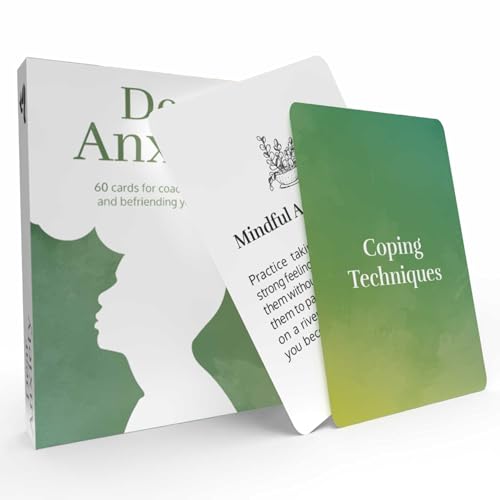
metaFox Dear Anxiety — Therapy and Coaching Tool for Mindfulness, Emotion Coaching & Difficult Conversations | 60 Feelings & Self Reflection Cards for Anxiety Relief, Emotional Intelligence & Stress
Therapist-Designed Coaching Cards: 60 thoughtfully designed coaching cards guide therapists and coaches by clearly highlighting anxious thoughts and…
As an affiliate, we earn on qualifying purchases.
As an affiliate, we earn on qualifying purchases.