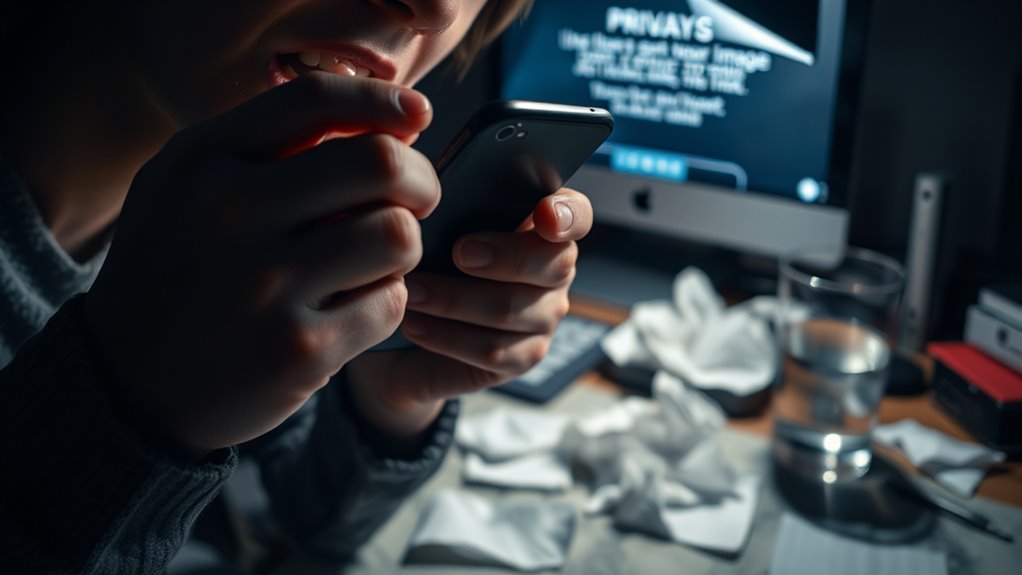

If your private images are shared without your consent, act quickly by documenting everything—save screenshots, messages, and details of the incident. Report the issue immediately to law enforcement and the online platforms where the images appeared, requesting removal. Consider seeking legal advice to understand your options, such as filing a civil lawsuit or criminal charges. Remember to reach out to trusted friends or professionals for emotional support. For more guidance on how to handle this situation, keep exploring your options.
Key Takeaways
- Document all evidence of the sharing, including screenshots, messages, and details of when and how it occurred.
- Report the incident immediately to law enforcement and the online platforms hosting the images to request removal.
- Seek legal advice to understand options like cease-and-desist orders or pursuing civil or criminal action.
- Reach out for emotional support from trusted friends, family, or mental health professionals to cope with distress.
- Take steps to secure your online accounts and privacy settings to prevent further unauthorized sharing.

Sharing private images without consent is a serious invasion of privacy that can have lasting emotional and legal consequences. When someone distributes your intimate photos without your permission, it’s natural to feel devastated, betrayed, and overwhelmed. The emotional impact can be profound, leading to anxiety, embarrassment, and a loss of trust in others. Recognizing these feelings is important, but it’s equally essential to understand the legal repercussions involved. Unauthorized sharing of private images often violates laws related to revenge porn, harassment, or privacy breaches, which can result in criminal charges or civil lawsuits against the person responsible. Knowing your rights and the potential legal pathways can empower you to take appropriate action.
Sharing private images without consent can cause lasting emotional pain and legal consequences. Know your rights and seek support.
If your private images are shared without your consent, start by documenting everything. Save evidence such as screenshots, messages, or any communication that indicates when and how the images were shared. This documentation is indispensable should you decide to report the incident to authorities or seek legal counsel. Don’t delay in reporting the matter to law enforcement or online platforms; many have specific procedures for handling non-consensual sharing of intimate images. Most social media sites and hosting services have policies against this behavior and can remove the content swiftly once you report it. Acting quickly can also help limit further distribution and minimize the emotional distress caused.
You might also consider consulting a legal professional who specializes in privacy or cyber law. They can guide you through your options, whether it’s filing a cease-and-desist order, pursuing damages through a civil lawsuit, or pressing criminal charges if applicable. Legal action not only helps to stop the spread but also holds the offender accountable, offering some sense of justice. Meanwhile, prioritize your emotional well-being. Reach out to trusted friends, family, or mental health professionals who can support you during this difficult time. Remember, your feelings are valid, and seeking emotional support can help you regain a sense of control and safety.
It’s essential to remember that you are not alone. Many people have faced similar situations and have successfully taken steps to address the harm caused. While the emotional impact may linger, taking proactive measures—such as documenting the incident, seeking legal advice, and leaning on your support network—can help you regain control and work toward resolution. Protecting your privacy and well-being is paramount, and knowing your rights can give you the strength to navigate this challenging experience. Additionally, understanding the laws related to privacy breaches can be crucial in pursuing legal remedies and protecting your rights.
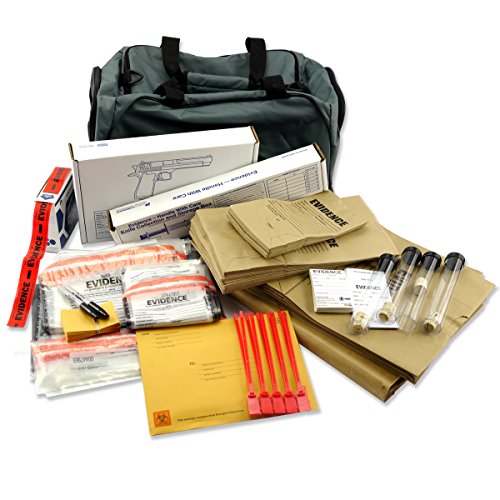
Evidence Packaging Kit
Sturdy black expandable bag
As an affiliate, we earn on qualifying purchases.
As an affiliate, we earn on qualifying purchases.
Frequently Asked Questions
Can I Legally Sue Someone for Sharing My Private Images?
Yes, you can legally sue someone for sharing your private images. You have legal remedies under privacy laws that protect your intimacy and control over your images. If someone breaches these laws, you can pursue civil action for damages or injunctions to stop further sharing. It’s important to document the incident and consult a lawyer to understand your specific rights and the best way to enforce them.
How Can I Prevent Future Leaks of My Private Images?
An ounce of prevention is worth a pound of cure. To prevent future leaks, tighten your privacy settings on social media and messaging apps. Consider watermarking your images to deter unauthorized sharing. Avoid sharing private images in untrusted environments, and always think twice before sending sensitive content. Regularly review your digital footprint and privacy options to stay in control and protect your personal images from being shared without your consent.
What Steps Should I Take if My Images Are Shared Internationally?
If your images are shared internationally, act quickly by contacting the platform hosting the content to request removal. Understand that international law and jurisdiction issues can complicate enforcement, so consider consulting a legal professional experienced in cross-border digital rights. You might also file complaints with regional authorities or organizations like INTERPOL, but stay aware that enforcement varies. Protect your rights by documenting all communications and seeking support from privacy advocacy groups.
Are There Support Groups for Victims of Image Sharing?
Imagine a safe harbor amid stormy seas—that’s what support groups offer. Yes, there are support groups for victims of image sharing, providing emotional support and peer counseling. These communities serve as a lighthouse, guiding you through feelings of shame and vulnerability. Connecting with others who understand your experience can help you heal, rebuild confidence, and find strength in shared resilience. You’re not alone, and support is available to navigate this journey.
How Effective Are Online Takedown Requests for Removing Images?
Online takedown requests can be quite effective for removing images, but their success depends on the platform’s image removal processes and how quickly you act. If you have privacy concerns, submit clear, detailed requests to support teams, and follow up if necessary. Many sites prioritize these requests to protect user privacy, but some images may linger if the platform delays or doesn’t comply promptly.

McAfee Total Protection 3-Device 2025 Ready |Security Software Includes Antivirus, Secure VPN, Password Manager, Identity Monitoring | 1 Year Subscription with Auto Renewal
DEVICE SECURITY – Award-winning McAfee antivirus, real-time threat protection, protects your data, phones, laptops, and tablets
As an affiliate, we earn on qualifying purchases.
As an affiliate, we earn on qualifying purchases.
Conclusion
If your private images are shared without your consent, remember you’re not alone and there are steps you can take. For example, Sarah found her intimate photos circulated online after a breakup; she reported the incident and sought legal advice, helping her regain control. Always prioritize your well-being, document the incident, and reach out for support. Protecting your privacy is your right—act swiftly and confidently to stop the breach and reclaim your peace of mind.

DocSafe Fireproof Document Box with Lock, File Storage Organizer with Mesh Pockets, Collapsible Portable File Box Home Office Safe Filing Cabinet with Handle for Hanging Letter/Legal Folder, Black
Fireproof and Water-resistant: The new upgrade fireproof file box is made of 3 layered non-itchy silicone coated fiberglass…
As an affiliate, we earn on qualifying purchases.
As an affiliate, we earn on qualifying purchases.

My Mental Breakdown Coloring Book for Adults: Funny Self Care Motivational Affirmations & Stress Relief Art with Encouraging Quotes to Cheer you Up and Hand Drawn Designs to Make you Laugh
As an affiliate, we earn on qualifying purchases.
As an affiliate, we earn on qualifying purchases.