

In today’s fast-changing job market, lifelong learning through micro-credentials and digital badges is essential to stay competitive. These focused, flexible certifications help you update skills quickly and showcase your expertise to employers. They support ongoing growth, adaptability, and resilience in your career. By earning badges regularly, you display your commitment to continuous improvement. To understand how these tools can elevate your professional journey, keep exploring the key benefits and practical steps involved.
Key Takeaways
- Continuous education ensures professionals stay current with evolving trends and technologies, maintaining relevance in their fields.
- Micro-credentials provide flexible, targeted validation of skills, making ongoing learning efficient and manageable.
- Digital badges serve as credible proof of expertise, enhancing employability and career progression opportunities.
- Embracing lifelong learning fosters adaptability, resilience, and a proactive approach to rapid industry changes.
- Building a portfolio of micro-credentials encourages a culture of continuous improvement and professional growth.

Have you ever wondered how to keep your skills relevant in a rapidly changing world? The truth is, staying current requires more than just traditional education; it calls for continuous learning that adapts to new trends and technologies. Micro-credentials, often represented by digital badges, are transforming the way you validate your skills and showcase your expertise. These digital badges serve as credible proof of your accomplishments, making it easier for employers to see your capabilities at a glance. They’re a modern way to demonstrate skill validation, especially in fields where technology evolves quickly, and staying up-to-date is essential for career growth.
Unlike traditional degrees, micro-credentials are flexible, bite-sized learning modules that fit into your busy schedule. Whether you’re working full-time, juggling family commitments, or exploring new interests, these short courses provide targeted knowledge that you can acquire without long-term commitments. As you complete each micro-credential, you earn a digital badge that can be added to your online profile, resume, or professional portfolio. This not only highlights your commitment to lifelong learning but also makes your skills immediately visible to potential employers or clients. Digital badges are portable and verifiable, meaning anyone can click to confirm your achievement, giving you a competitive edge in today’s job market.
The value of skill validation through digital badges extends beyond just personal growth. Employers increasingly recognize micro-credentials as a reliable way to assess candidates’ real-world abilities. Instead of relying solely on traditional degrees, they look for tangible proof that you possess specific skills relevant to the role. This shift encourages you to seek out targeted learning opportunities that directly enhance your professional toolkit. As you accumulate a collection of these badges, you create a digital record of your ongoing development, which can evolve with your career needs. This approach fosters a mindset of continuous improvement, helping you stay adaptable and resilient amid rapid technological changes. Additionally, understanding contrast ratio and other technical specifications can further enhance your ability to select the right tools and resources for your learning and professional growth.

Leather badge holder keychain for AniPin digital display badge, protective case, bag charm for ITA bag
- Protects digital badges from damage: Protects AniPin digital display e-badges, buttons, and pins from scratches and dust
- High-quality leather construction: Made from durable leather with decorative stitching in multiple colors
- Transparent display window: Clear front panel for full visibility of badge or artwork
As an affiliate, we earn on qualifying purchases.
As an affiliate, we earn on qualifying purchases.
Frequently Asked Questions
How Do Micro-Credentials Compare to Traditional Degrees?
Micro-credentials offer targeted skill validation and easier credit transfer compared to traditional degrees. You can earn them quickly to boost specific abilities, making them more flexible and relevant. Unlike degrees, they focus on practical skills rather than extensive coursework. This way, you get recognized for your expertise, and institutions or employers can verify your competencies efficiently. Micro-credentials help you stay current and adaptable in your career.
What Industries Benefit Most From Micro-Credentials?
You’ll find that industries like tech, healthcare, and digital marketing benefit most from micro-credentials. They offer digital badges that validate specific skills quickly, helping you stay current with industry trends. Micro-credentials enable rapid skill validation, making them ideal for professionals who need to adapt fast. This flexibility allows workers to gain targeted expertise without lengthy traditional degrees, ensuring you remain competitive and knowledgeable in fast-evolving fields.
How Can Employers Verify Micro-Credential Authenticity?
Oh, sure, trusting every shiny certificate on the internet? Not so fast. You can verify micro-credentials by checking digital signatures embedded within the credentials, ensuring they’re legit. Verification processes often involve contacting issuing institutions or using specialized platforms that authenticate these digital signatures. This way, you dodge fakes and confirm the micro-credential’s authenticity, saving yourself from hiring a graduate of the “School of Imagination.”
Are Micro-Credentials Recognized Internationally?
Micro-credentials are increasingly recognized internationally, but their global acceptance varies by industry and region. You should check credential validity by researching the issuing organization’s reputation and whether the micro-credential aligns with international standards. Many platforms now seek to boost global acceptance, making micro-credentials more credible across borders. Ultimately, verifying the credential’s recognition guarantees it holds value in your field and helps you stand out globally.
What Are the Costs Associated With Earning Micro-Credentials?
The cost implications of earning micro-credentials vary depending on the provider and program, but they typically cost less than traditional degrees. You might pay for coursework, assessments, or certification fees. Luckily, many institutions offer financial aid, scholarships, or employer sponsorships to help reduce costs. By exploring these options, you can make continuous education more affordable and accessible, allowing you to upskill without breaking the bank.
micro-credential online course platform
As an affiliate, we earn on qualifying purchases.
As an affiliate, we earn on qualifying purchases.
Conclusion
Embracing lifelong learning and micro-credentials keeps you ahead in a fast-changing world. While some cling to traditional education, you gain flexible, targeted skills that adapt with you. It’s your continuous journey—an ongoing investment in yourself—that sets you apart. The world moves quickly, but with micro-credentials, you stay relevant. Don’t wait for opportunities; create them through constant growth. After all, in today’s landscape, learning isn’t just a phase—it’s your lifelong advantage.

Innovations in the Design and Application of Alternative Digital Credentials (Advances in Higher Education and Professional Development)
As an affiliate, we earn on qualifying purchases.
As an affiliate, we earn on qualifying purchases.
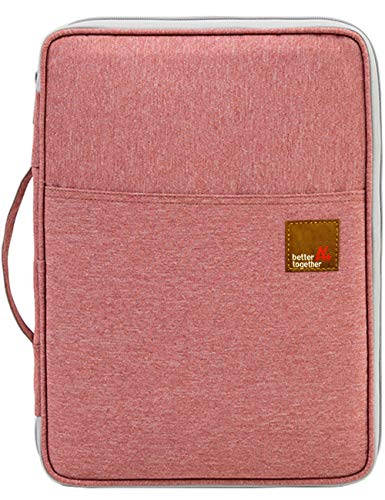
mygreen Multi-functional A4 Document Bags Portfolio Organizer-Waterproof Travel Pouch Zippered Case for Ipads, Notebooks Documents (Salmon Pink)
- Size: Approximately 9.8"L*1.2"W*13.6"H
- Functional Organizer Bag: Fit for iPad 9.7-12", laptop,…
- Water repellent Material: This document bag is well…
As an affiliate, we earn on qualifying purchases.
As an affiliate, we earn on qualifying purchases.