To create a lasting legacy, entrepreneurs prioritize strategic estate planning and wealth transfer. They set up trusts, gift assets, and establish family LLCs to control how wealth moves across generations. Early planning minimizes taxes and avoids conflicts, ensuring assets benefit your heirs smoothly. Regular updates and modern tools make the process effective and adaptable. Keep going, and you’ll discover how these strategies help you build a legacy that endures for generations.
Key Takeaways
- Entrepreneurs build legacy by integrating wealth transfer strategies like trusts and gifting early into their business plans.
- Establishing family LLCs and holding companies helps control and protect assets across generations.
- Regularly updating estate plans ensures alignment with evolving business goals and personal circumstances.
- Utilizing modern estate planning tools and resources enhances efficiency and adaptability for future wealth transfer.
- Clear communication and legal arrangements prevent conflicts, ensuring a lasting impact for future generations.

Have you ever wondered what it truly means to build a lasting legacy? For entrepreneurs like you, creating a legacy isn’t just about amassing wealth; it’s about ensuring that your hard work benefits future generations. One of the most effective ways to do this is through strategic estate planning. Estate planning allows you to organize your assets today so they can be transferred smoothly and efficiently when you’re gone. It’s more than just writing a will; it’s about crafting a thorough plan that minimizes taxes, avoids probate, and protects your wealth. When done correctly, estate planning becomes a powerful tool for wealth transfer, enabling you to pass on your business, investments, and personal assets to your heirs without unnecessary delays or costs.
You might think wealth transfer is only relevant once you’re older, but integrating it into your business strategy from the beginning can profoundly impact your legacy. By establishing trusts, gifting assets, or setting up family LLCs, you control how your wealth moves across generations. These methods not only help preserve your estate but also provide your heirs with the knowledge and structure needed to continue growing your legacy. The sooner you start planning, the better positioned you’ll be to avoid common pitfalls like estate taxes or family disputes. Plus, clear instructions and legal arrangements can prevent potential conflicts, giving your loved ones peace of mind and allowing them to focus on nurturing what you’ve built.
Building a legacy through estate planning and wealth transfer isn’t just about protecting your assets; it’s about ensuring your vision endures beyond your lifetime. It’s a way to empower your family and community, providing them with a foundation to thrive. When you prioritize this aspect of your business and personal finances, you’re taking proactive steps to secure your name and achievements for generations to come. Remember that incorporating modern estate planning tools can significantly enhance your strategy, making the process more efficient and adaptable. Effective estate planning isn’t a one-time task; it’s an ongoing process that adapts as your circumstances evolve. Regular reviews and updates ensure your legacy remains aligned with your goals, giving you confidence that your efforts today will benefit your family tomorrow.
Ultimately, building a legacy requires intentionality and foresight. By focusing on estate planning and wealth transfer strategies, you set the stage for future success and stability. Your legacy is more than just your business or wealth; it’s the enduring impact you leave behind.

The Only Living Trusts Book You’ll Ever Need: How to Make Your Own Living Trust, Avoid Probate & Protect Your Heirs (Plus Protect Your Assets & Save Thousands on Taxes) (Wealth Strategy)
As an affiliate, we earn on qualifying purchases.
As an affiliate, we earn on qualifying purchases.
Frequently Asked Questions
What Are Common Mistakes Entrepreneurs Make When Building Legacy Wealth?
You often make inheritance pitfalls and succession errors when building legacy wealth. Failing to create a clear estate plan or neglecting to involve family members can lead to conflicts and financial loss. You might also overlook tax implications or underestimate the importance of proper business succession strategies. To avoid these mistakes, seek professional advice, communicate openly with your heirs, and develop a thorough plan that ensures your legacy endures and benefits future generations.
How Does Tax Planning Influence Long-Term Wealth Transfer Strategies?
Imagine your wealth as a flowing river—tax planning guides its course, ensuring it reaches future generations intact. You can boost tax efficiency by leveraging strategies like charitable giving, which reduces taxable estate and supports causes you care about. Thoughtful long-term strategies prevent erosion of your assets, allowing your legacy to flourish. Without it, your wealth risks dissipating like water lost to unplanned taxes, undermining your vision of lasting impact.
What Role Does Estate Planning Play in Legacy Building?
Estate planning plays a vital role in legacy building by ensuring your assets are protected and transferred smoothly. You should focus on creating detailed estate documentation, like wills and trusts, to clearly define your wishes. This process also helps you safeguard your assets from potential risks, providing asset protection for your heirs. By proactively planning, you control how your wealth benefits future generations, solidifying your legacy effectively.
How Early Should Entrepreneurs Start Planning Their Legacy?
If you want to build a lasting legacy, don’t wait until the iPhone 15 hits the shelves. Start planning your legacy early, ideally when your business begins to grow. Timing considerations are vital because early planning maximizes your generational impact, ensuring your wealth benefits future generations. The sooner you act, the more control you have over your estate, finances, and the future you’re creating for your family.
What Are Innovative Tools for Intergenerational Wealth Transfer?
You can leverage innovative tools like digital assets and charitable giving to transfer wealth across generations effectively. Digital assets, such as cryptocurrencies or digital art, provide new avenues for wealth transfer with smart contracts ensuring smooth, transparent transactions. Additionally, incorporating charitable giving strategies, like donor-advised funds, helps you pass on values while minimizing taxes. These tools empower you to shape your legacy with modern, impactful solutions that resonate with future generations.

The Only Complete Life Story Kit with Conversation Cards & Journal. Perfect Holiday Family Activity & Gift. Share & Preserve Stories Together
- All-in-One Life Story Kit: Includes conversation cards, journal, timeline, and family tree
- Ideal Holiday Family Activity: Creates memorable family gatherings and traditions
- Promotes Storytelling & Preservation: 110 prompts to capture life milestones and stories
As an affiliate, we earn on qualifying purchases.
As an affiliate, we earn on qualifying purchases.
Conclusion
You now see how entrepreneurs are shaping their futures through legacy building. Did you know that 70% of wealthy families aim to pass down their assets to future generations? By investing wisely and creating sustainable businesses, you can join this movement. Building generational wealth isn’t just about money; it’s about creating a lasting impact. Take action today, and your legacy could inspire generations to come.
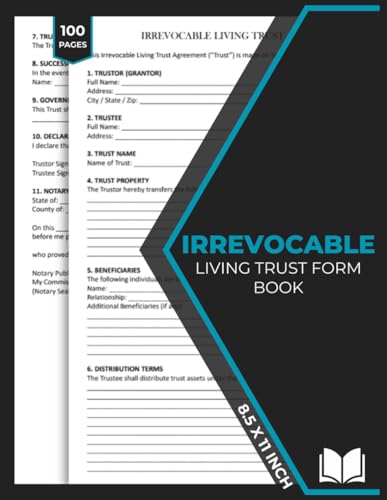
Irrevocable Living Trust Form Book: Asset Protection and Inheritance Planning Doc | Estate Planning & Wealth Transfer Forms | 50 Forms
As an affiliate, we earn on qualifying purchases.
As an affiliate, we earn on qualifying purchases.

Quicken WillMaker & Trust 2026 – Estate Planning Software – Will, Living Trust, Health Care Directive, Financial, Power of Attorney – Legally Binding- CD – PC/Mac & Online
- Multiple Access Options: CD, download, or online access
- Comprehensive Estate Planning: Wills, trusts, directives, POA
- Legally Binding Documents: Creates legally valid estate plans
As an affiliate, we earn on qualifying purchases.
As an affiliate, we earn on qualifying purchases.






![I Made Tinnitus My Friend, Then It Disappeared [Video]](https://thinkozeal.com/wp-content/uploads/2026/08/i-made-tinnitus-my-friend-then-it-disappeared-video-featured-260x140.jpg)