

To set shared financial goals without losing individual freedom, communicate openly about each other’s aspirations, priorities, and comfort levels. Strike a balance by creating an all-encompassing plan that includes both joint objectives and personal spending allowances. Stay flexible and revisit your goals regularly, adjusting as circumstances change. Respect each other’s financial independence while working together. If you keep exploring, you’ll discover effective strategies to maintain harmony and achieve your goals side by side.
Key Takeaways
- Clearly differentiate between shared and individual goals during open discussions.
- Allocate specific funds for personal pursuits within the overall budget.
- Maintain transparency about financial intentions and progress to build trust.
- Regularly revisit and adjust goals to accommodate changing circumstances and priorities.
- Foster mutual respect for personal spending habits while working towards collective objectives.

Have you ever wondered how couples or families manage to stay on the same page financially? It’s a common challenge, especially when everyone has different spending habits, goals, and ideas about money. The key is setting shared financial goals that bring you together without sacrificing your individual freedom. To do this effectively, you need a solid understanding of personal budgeting. This means tracking your income, expenses, and savings to see where your money goes. When both partners are honest about their financial habits, it becomes easier to find common ground and work toward mutual goals like buying a home, saving for a vacation, or building an emergency fund.
Once you have a clear picture of your finances, you can start discussing your shared goals. It’s important to listen to each other’s aspirations and concerns without judgment. You might want to save aggressively for a big purchase, while your partner prefers to invest more for long-term growth. Recognizing these differences helps you create a balanced plan that respects individual priorities. You can allocate specific portions of your income toward shared goals while still leaving room for personal spending. For instance, you could set a monthly budget for shared expenses and savings, and have a separate fund for personal spending or hobbies. This way, you maintain some individual freedom without losing sight of your collective objectives.
Discuss your aspirations openly, balance shared and personal goals, and create a flexible financial plan that respects individual priorities.
Investment strategies also play a crucial role in aligning your financial future. If you’re both interested in growing your wealth, consider combining your investments in a way that complements your shared goals. Diversify your portfolio, balancing risk and reward according to your comfort level. Some might prefer conservative bonds, while others are more inclined toward stocks or real estate. Discussing your risk tolerance and investment preferences ensures that both of you feel confident about your financial future. It’s also important to revisit your goals regularly, adjusting your personal budgeting and investment strategies as circumstances change. Whether one of you gets a raise, changes jobs, or faces unexpected expenses, staying flexible keeps your plan on track. Additionally, understanding the importance of contrast ratio and how it impacts your investments can help you make more informed decisions about asset allocation. Incorporating ethical considerations into your financial planning can further promote alignment with your personal values and beliefs. Moreover, being aware of financial literacy is essential for making informed choices and avoiding common pitfalls. Developing a shared understanding of financial indicators can help you evaluate your progress more objectively.
Ultimately, setting shared financial goals isn’t about sacrificing individual freedom; it’s about creating a partnership where both of you feel empowered and aligned. By being transparent about your finances, respecting each other’s priorities, and working together on investment strategies, you build a foundation of trust and cooperation. This approach not only helps you achieve your collective dreams but also preserves the independence that makes your relationship strong. Recognizing the role of philosophical insights in shaping ethical and personal perspectives can further strengthen your shared approach to financial decision-making.
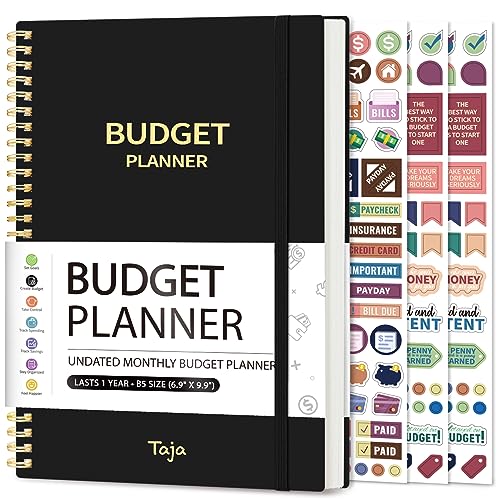
Budget Planner – Monthly Budget Book with Expense Tracker Notebook, Undated Bill Organizer & Finance Planner to Take Control of Your Money, Account Book to Manage Your Finances-Black
- Effective Budget Planning: Track income, expenses, savings, goals
- User-Friendly Layout: Easy navigation with dedicated sections
- Undated Monthly Calendar: Flexible planning with customizable dates
As an affiliate, we earn on qualifying purchases.
As an affiliate, we earn on qualifying purchases.
Frequently Asked Questions
How Do We Handle Disagreements About Financial Priorities?
When disagreements about financial priorities arise, you should prioritize open communication strategies and conflict resolution. Sit down together, listen actively, and express your perspectives calmly. Seek common ground by focusing on shared goals and understanding each other’s values. Use compromise when necessary, and revisit your financial plan regularly to adapt as needed. This approach helps maintain trust, respects individual freedom, and guarantees your shared financial goals stay aligned without conflict.
What Tools Can Help Track Shared and Individual Expenses?
Think of managing expenses like tending a garden—you need the right tools to keep everything healthy. Budgeting apps are your handy tools, helping you track shared and individual expenses through expense categorization. They make it easy to see where your money goes, ensuring transparency. With these apps, you stay in control, balancing shared goals with personal freedom, so your financial garden flourishes without overgrowth.
How Often Should We Review Our Financial Goals Together?
You should review your financial goals together at least quarterly. This keeps financial communication open, allowing you both to discuss progress and adjust for goal flexibility. Regular check-ins ensure you’re aligned while respecting individual aspirations. Use these meetings to celebrate achievements and address challenges, maintaining a balance that supports shared priorities without restricting personal financial freedom. This consistent approach fosters trust and keeps your goals adaptable over time.
How Do We Balance Saving for the Future and Enjoying the Present?
You can balance saving for the future and enjoying the present by establishing clear spending boundaries together. Prioritize your shared goals while allowing personal spending for hobbies or experiences. Incorporate smart investment strategies that grow your savings without sacrificing fun now. This way, you maintain financial freedom, prevent resentment, and stay aligned. Regularly review these boundaries and strategies, ensuring both of you feel secure and satisfied with your financial journey.
What Are Common Mistakes to Avoid in Shared Financial Planning?
You might overlook individual autonomy by not clearly defining financial boundaries, leading to resentment or loss of personal freedom. Avoid assuming shared goals mean sacrificing your independence; instead, communicate openly about your needs and limits. Don’t ignore differences in spending habits or financial priorities, as these can create friction. Regularly review your shared plans to guarantee both partners feel respected, maintaining a healthy balance between joint objectives and individual autonomy.

Vehicle Mileage Log: Track miles and vehicle expenses for up to 3 vehicles for business or ride share apps. 5x8in, 122 pages. Track up to 315 trips for taxes
As an affiliate, we earn on qualifying purchases.
As an affiliate, we earn on qualifying purchases.
Conclusion
By setting shared financial goals while respecting individual freedom, you create a balanced approach that strengthens your partnership. Remember, couples who align their financial goals are 30% more likely to feel satisfied with their financial situation. Keep open communication, support each other’s ambitions, and regularly revisit your goals. This way, you maintain independence and unity, ensuring your financial journey is both successful and fulfilling for both of you.
diversified investment portfolio for couples
As an affiliate, we earn on qualifying purchases.
As an affiliate, we earn on qualifying purchases.

Goal Getter Workbook and Financial Accountability Planner: Dream big, Plan smart, achieve more
As an affiliate, we earn on qualifying purchases.
As an affiliate, we earn on qualifying purchases.