
TL;DR
Aortic dissection occurs when the inner layer of the aorta tears, leading to a life-threatening condition. Medical experts confirm high blood pressure and connective tissue disorders as primary causes, but some risk factors remain under study. This matters because early detection can save lives, but understanding causes is crucial for prevention.
High blood pressure and genetic connective tissue disorders are confirmed as primary causes of aortic dissection, a life-threatening condition where the inner layer of the aorta tears. This understanding is crucial for early diagnosis and prevention, as it helps identify at-risk populations.
Medical experts agree that hypertension is the leading risk factor for aortic dissection, with studies showing that uncontrolled high blood pressure significantly increases the likelihood of arterial wall tearing. Additionally, connective tissue disorders such as Marfan syndrome and Ehlers-Danlos syndrome are well-established genetic causes, weakening the aortic wall and predisposing individuals to dissection.
Other confirmed factors include advanced age and a history of cardiovascular disease, which contribute to arterial wall degeneration. While trauma and certain medical procedures can sometimes trigger dissection, these are considered less common causes. The role of lifestyle factors, such as smoking and high cholesterol, remains under investigation but is generally regarded as contributory rather than direct causes.
Researchers emphasize that early detection of these risk factors can lead to better management strategies, potentially preventing aortic dissection. However, the exact mechanisms by which some risk factors lead to dissection are still being studied, and not all cases can be predicted based on current knowledge.
Why Identifying Causes of Aortic Dissection Saves Lives
Understanding the confirmed causes of aortic dissection is vital because it enables targeted screening and early intervention for high-risk individuals. Since the condition can rapidly become fatal if untreated, recognizing risk factors like hypertension and genetic disorders allows healthcare providers to implement preventive measures. This knowledge also informs public health strategies and guides research into new treatments.
Moreover, improved awareness can lead to earlier diagnosis, reducing emergency surgeries and improving survival rates. As research continues, refining the understanding of causes may lead to innovative therapies and better risk assessment tools, ultimately saving more lives.
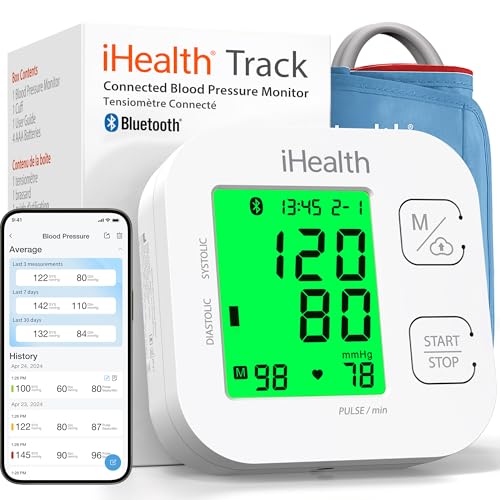
iHealth Track Smart Upper Arm Blood Pressure Monitor with Wide-Range Cuff
- Clinically Accurate: Easy operation, no calibration needed
- Large Multi-Color Display: Oversized numbers with color-coded readings
- Easy Data Management: Store up to 99 readings, unlimited via app
As an affiliate, we earn on qualifying purchases.
As an affiliate, we earn on qualifying purchases.
Established Risk Factors and Ongoing Research Efforts
Historically, aortic dissection has been linked to longstanding high blood pressure, which damages the arterial wall over time. Genetic conditions such as Marfan syndrome have been recognized for decades as significant risk factors, with affected individuals experiencing weakened connective tissue in the aorta. Age is also a well-documented factor, with incidence increasing in older adults due to arterial degeneration.
Recent studies are exploring additional potential causes, including lifestyle factors and environmental influences. Advances in genetic research are identifying new mutations that may predispose individuals to dissection, though these are not yet fully understood or integrated into clinical practice.
Clinicians emphasize that while some causes are well established, the full spectrum of risk factors continues to be investigated, especially in cases where no clear cause is identified.
“High blood pressure remains the most significant modifiable risk factor for aortic dissection, and controlling it can drastically reduce risk.”
— Dr. Susan Lee, Cardiologist

NARTGO Heart Medical Alert Blood Thinner Bracelet for Women Emergency First Aid Health Alert Engraved Stainless Steel Adjustable Chain Bracelets
- Medical Alert Identification: Quick recognition of medical conditions
- Durable Material: Stainless steel, waterproof, low-allergy
- Readable Engraving: Large, easy-to-read engraved words
As an affiliate, we earn on qualifying purchases.
As an affiliate, we earn on qualifying purchases.
Unresolved Questions About Less Common Causes
While primary causes such as hypertension and genetic disorders are confirmed, the role of lifestyle factors like smoking, diet, and environmental exposures remains less clear. Researchers are still investigating how these elements may contribute to arterial weakening or trigger dissection in predisposed individuals. Additionally, the precise biological mechanisms linking some risk factors to dissection are not fully understood, and some cases occur without identifiable causes, indicating gaps in current knowledge.

Ehlers Danlos Syndrome Daily Living Guide: The Complete Handbook of Essentials, Mobility Aids, and Home Adaptations for Adults with Hypermobile EDS
As an affiliate, we earn on qualifying purchases.
As an affiliate, we earn on qualifying purchases.
Future Research and Improved Risk Prediction Methods
Medical researchers plan to expand genetic studies to identify new biomarkers associated with dissection risk. Advances in imaging and screening techniques may enable earlier detection of at-risk individuals, especially those with genetic predispositions or high blood pressure. Clinical trials are also underway to evaluate the effectiveness of new preventive treatments and management protocols.
In the near term, healthcare providers will likely enhance screening guidelines for high-risk populations, aiming to reduce the incidence and improve emergency response when dissection occurs.

Quantum Magnetic Resonance Body Analyzer Handheld Health Scanner
- Premium Aluminum Construction: Resists rust, corrosion, and bending
- Wide Windows Compatibility: Supports most Windows versions
- Over 50 Health Assessments: Includes cardiovascular, liver, kidney tests
As an affiliate, we earn on qualifying purchases.
As an affiliate, we earn on qualifying purchases.
Key Questions
What are the main causes of aortic dissection?
The main confirmed causes are high blood pressure and genetic connective tissue disorders such as Marfan syndrome.
Can lifestyle changes prevent aortic dissection?
Controlling blood pressure through lifestyle modifications and medication can reduce risk, but some causes like genetic disorders cannot be changed.
Who is most at risk for aortic dissection?
Older adults with hypertension, individuals with genetic connective tissue disorders, and those with a history of cardiovascular disease are at higher risk.
Is aortic dissection preventable?
Early detection and management of risk factors can prevent some cases, but not all, especially those caused by genetic factors.
What are the symptoms of aortic dissection?
Severe chest or back pain, sudden and intense, often described as tearing or ripping, are common symptoms. Immediate medical attention is critical.
Source: google-trends