
TL;DR

Turn your wind-down time into listening time
- Thousands of audiobooks, podcasts and originals
- Listen on your phone, tablet or Echo — also offline
- Cancel anytime
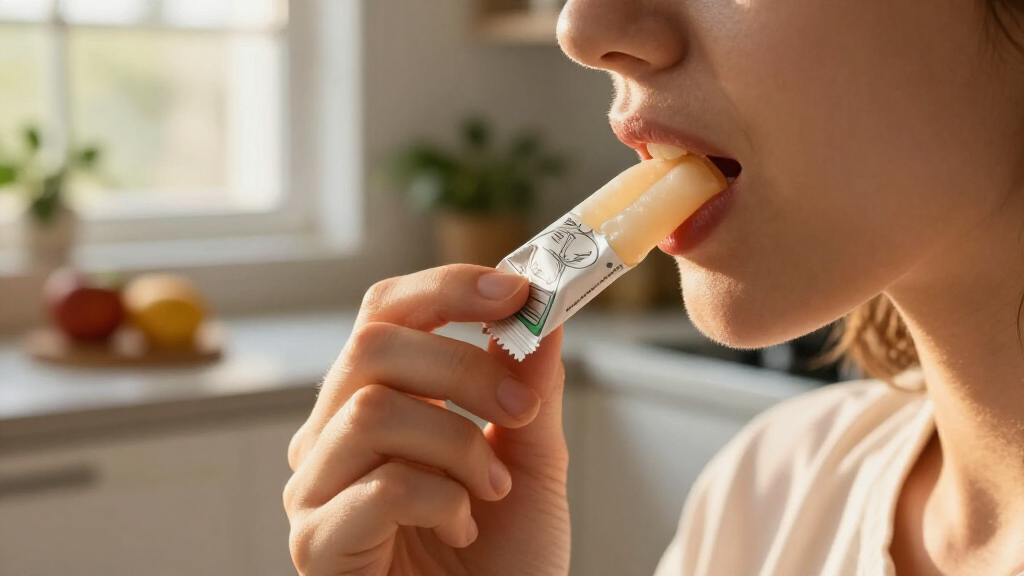
Researchers have created a bioengineered chewing gum that may help combat HPV and other microbes. This innovation could provide a new, non-invasive way to reduce infection risks. The development is in early stages, with further testing needed.
Scientists have announced the development of a bioengineered chewing gum designed to target and fight HPV and other microbial infections. The innovation, still in experimental stages, could offer a non-invasive, accessible method of reducing infection risk, especially for populations with limited access to vaccines or medical treatments. The research was presented by a team of bioengineers and microbiologists working at a leading university.
The bioengineered gum contains specially designed antimicrobial compounds, created through genetic engineering techniques, that can be released in the mouth to target specific microbes. According to researchers, initial laboratory tests show promising results in reducing HPV viral particles and other common oral microbes. The development aims to provide a convenient alternative to traditional vaccines and treatments, particularly in regions with limited healthcare infrastructure.
The research team explained that the gum is designed to be safe for daily use and can deliver antimicrobial agents directly to the oral cavity. The project is currently in the preclinical phase, with plans to conduct clinical trials in the coming year. The scientists involved emphasized that the approach could also be adapted to target other pathogens, broadening its potential applications.
Potential Impact on Infection Prevention Strategies
This development could significantly alter approaches to preventing HPV and other microbial infections by providing a easy-to-use, non-invasive option. If successful in clinical trials, the bioengineered gum might complement existing vaccines and treatments, especially in underserved populations. It could also reduce the spread of HPV, which is linked to various cancers, and other oral microbes associated with disease.
Experts say that such innovations could lead to more personalized, accessible infection control tools, potentially decreasing healthcare costs and improving public health outcomes globally. However, regulatory approval and safety assessments will be critical before widespread adoption.
antimicrobial chewing gum for oral health
As an affiliate, we earn on qualifying purchases.
As an affiliate, we earn on qualifying purchases.
Advances in Microbial-Targeting Bioengineering
The concept of using bioengineered products to combat microbes has gained momentum in recent years, with research focusing on antimicrobial peptides and genetically modified organisms. Previous efforts have included developing vaccines and topical treatments, but delivery methods remain a challenge. The idea of a chewing gum as a delivery platform builds on existing research into oral drug delivery systems and microbial control.
Earlier studies have demonstrated that antimicrobial compounds can be effective when delivered directly to the oral cavity, but integrating these into a consumer product like chewing gum is a new step. The current project builds on these advances, aiming to create a practical, user-friendly product that could be used daily.
As an affiliate, we earn on qualifying purchases.
Uncertainties Surrounding Safety and Effectiveness
It is not yet clear how effective the bioengineered gum will be in real-world settings, as clinical trial results are pending. The safety profile, long-term effects, and possible microbial resistance are still under investigation. Regulatory approval processes have not yet begun, and the scalability of production remains uncertain.
As an affiliate, we earn on qualifying purchases.
Next Steps Include Clinical Trials and Regulatory Review
The research team plans to initiate clinical trials within the next 12 months to evaluate safety and efficacy in humans. Concurrently, they will seek regulatory approval from relevant health authorities. If trials are successful, commercial development and distribution could follow within a few years. Researchers are also exploring adaptations of the technology to target other pathogens.
As an affiliate, we earn on qualifying purchases.
Key Questions
How does the bioengineered gum work?
The gum contains genetically engineered antimicrobial compounds that are released in the mouth to target specific microbes like HPV and other oral bacteria.
Is this a replacement for HPV vaccination?
No. The gum is intended as a supplementary tool to reduce microbial load, not as a substitute for vaccines, which provide systemic immunity.
When might this product be available to consumers?
If clinical trials are successful and regulatory approval is obtained, the product could reach the market within 3-5 years.
Are there any safety concerns?
Safety assessments are ongoing, and the safety profile will be clarified through clinical trials before approval and widespread use.
Could this technology be used to target other microbes?
Yes, the researchers are exploring the adaptation of the technology to target a broader range of pathogens beyond HPV.
Source: hn
Fall Picks
fall essentials
As an affiliate, we earn on qualifying purchases.