
TL;DR

Turn your wind-down time into listening time
- Thousands of audiobooks, podcasts and originals
- Listen on your phone, tablet or Echo — also offline
- Cancel anytime
Sixty and Me published a first-person article on maintaining weight after 60, recommending habits such as limiting food cues at home, eating deliberately and keeping healthy snacks available. The advice is personal rather than research-based, and the report provides no evidence that the strategies guarantee lasting weight loss or prevent hunger.
Sixty and Me has published a first-person report on managing weight after 60, offering practical eating suggestions drawn from the author’s experience rather than presenting new research or clinical guidance. The article matters to older readers because it addresses the challenge of maintaining weight over time, but its headline’s promise of keeping weight off “and never be hungry” is not established by evidence in the report.
The author says weight management became harder with age, citing a slower metabolism and reduced ability to burn calories through vigorous exercise as contributing factors. The report also points to changes in routine after retirement, including more time for cooking and eating and potentially more frequent restaurant meals. These are observations in the article, not findings supported there by cited studies.
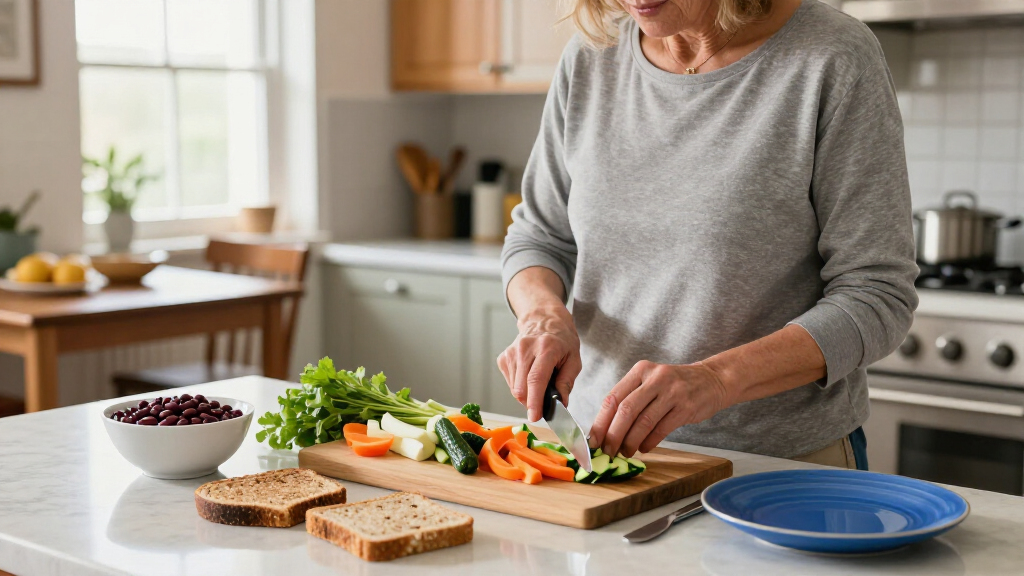
Among the author’s suggestions are keeping tempting foods out of the home, eating when hungry rather than grazing, pausing before taking a second serving and keeping healthier snacks available. The author also recommends drinking water and describes soup as a useful meal choice. These tips are offered as personal strategies; the article does not provide a structured eating plan, calorie targets or evidence comparing their effects.
The piece recalls the author’s earlier experience of losing 10 pounds after being placed on a low-calorie diet and exercise routine by her mother. The author says that experience helped shape a long-term commitment to careful eating. The report also recommends occasional treats and warns against assuming that whole-wheat bread or pasta cannot contribute to weight gain. Its advice is informal and does not account for individual health conditions, medication, mobility or nutritional needs.
Practical Tips, Not Proven Outcomes
The report reflects a common concern among older adults: sustaining changes may matter as much as losing weight initially. Its suggestions focus on everyday surroundings and routines, such as what foods are kept at home and whether eating is prompted by hunger or habit. Those topics may help readers think about their own patterns, but the article does not show that following its list will produce weight loss or prevent regain.
The distinction matters because weight and nutrition needs vary with age and health. Advice to restrict particular foods or stop eating before feeling full may not suit everyone, especially people managing medical conditions or needing support to maintain adequate nutrition. Readers considering substantial dietary changes can discuss them with a qualified health professional.
As an affiliate, we earn on qualifying purchases.
The Article’s Personal Basis
The source is a Sixty and Me article titled “Don’t Just Lose Weight After 60! Keep It Off and Never Be Hungry.” The supplied report presents the writer’s recollections, preferences and list of habits. It does not identify a medical expert, cite a study, or describe a formal review of weight-loss evidence.
The writer contrasts quick diets with longer-term habits, saying that people may return to previous eating patterns once a restrictive diet ends. The report’s central argument is therefore about maintaining routines rather than following a short-term plan. That framing is the author’s perspective, not a documented conclusion established by research in the source.
“Nothing stimulates the appetite like eating.”
— The author, quoting her mother-in-law
water bottles for elderly hydration
As an affiliate, we earn on qualifying purchases.
As an affiliate, we earn on qualifying purchases.
Evidence Behind the Advice
The supplied article does not establish whether its suggestions lead to lasting weight loss, reduce hunger or are appropriate for older adults generally. It provides no clinical citations, outcome measurements or comparison of different approaches. The publication date is also absent from the source material provided here.
Some claims need qualification. For example, the article links regular sugar consumption with addiction but cites no evidence for that statement. It also gives broad suggestions about foods and eating patterns without discussing how readers’ health histories or nutritional requirements may differ. Those points should not be treated as medical conclusions.
low-calorie soups for weight management
As an affiliate, we earn on qualifying purchases.
As an affiliate, we earn on qualifying purchases.
How Readers Can Use the Tips
The source invites readers to share habits they use to lose weight and maintain it, but it does not announce a follow-up study or planned update. Readers can treat the list as a set of personal ideas to discuss or adapt, not as a proven program or a promise that hunger can be avoided.
For people considering weight changes after 60, a qualified health professional can help assess whether a goal or eating approach fits their circumstances. The article itself offers no individualized assessment, and no further evidence or next milestone is identified in the supplied material.
portion control plates for seniors
As an affiliate, we earn on qualifying purchases.
As an affiliate, we earn on qualifying purchases.
Key Questions
Is the Sixty and Me article based on a new study?
No study is cited in the supplied report. It is a first-person account of the author’s experiences and suggested habits.
Does the article prove its tips prevent weight regain?
No. The article makes recommendations, but provides no outcome data showing that they prevent weight regain or work for all older adults.
What habits does the author recommend?
The author suggests limiting tempting foods at home, avoiding random eating, keeping healthier snacks available, pausing before a second serving and drinking water. These are personal suggestions, not a validated treatment plan.
Does the report show that readers will never feel hungry?
No. The headline uses that wording, but the article does not demonstrate that its suggestions eliminate hunger. Individual experiences and nutritional needs vary.
Source: rss
Fall Picks
fall essentials
As an affiliate, we earn on qualifying purchases.