
TL;DR

Get self-care and calm essentials delivered free — and shop member deals
- Fast, free delivery on millions of items
- Access to Prime Big Deal Days deals on October 6–7
- Prime Video, Amazon Music and more included
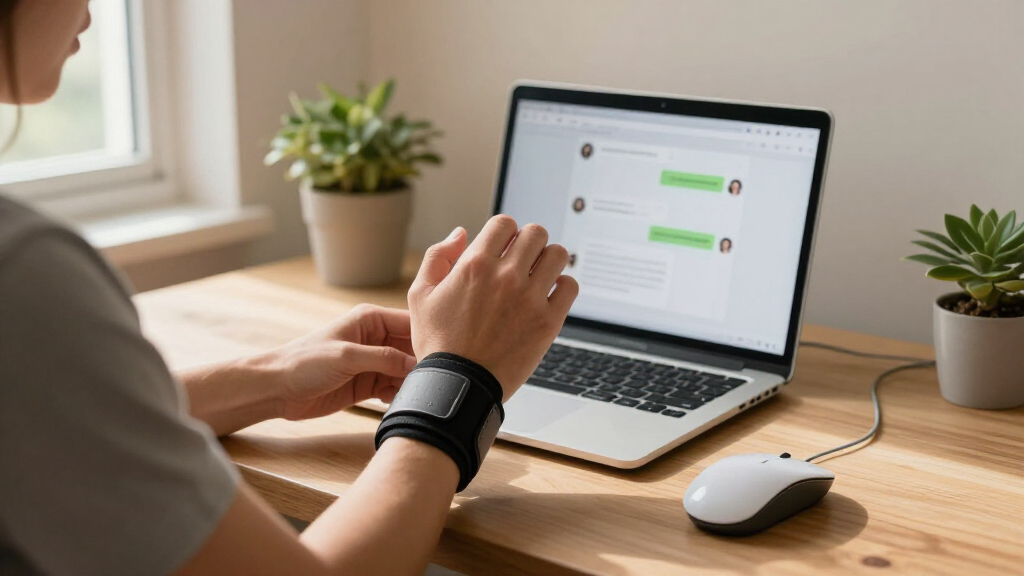
A software developer says he has experienced less serious arm pain after AI coding agents took over some mechanical programming tasks, reducing time spent typing code. The account is personal and does not show that LLMs caused the change; seniority, meetings and other factors may also have played a role.
A software developer says he has gone some time without serious burning arm pain after shifting some programming tasks to LLM-powered coding agents, which he says has reduced the amount of code he types manually. In a personal account published October 5, he describes the connection as a possibility, not a medical finding: he cannot establish that AI tools caused the change, and points to other potential explanations.
The writer says he had experienced recurring arm pain since around 2017, which he and his doctors believed was associated with extensive keyboard use. He describes periods of burning forearm pain, alongside better stretches, and says he tried approaches including breaks, exercise, ergonomic keyboards and changing his typing technique. These details are his account; the post does not provide medical records or a formal diagnosis.
He says the symptoms were especially associated with long coding sessions, which required reaching for special characters, modifier keys and other keys across the keyboard. By contrast, he reports that writing prose was less demanding for him. He also notes that his smaller-than-average hands made some keyboard reaches difficult, including key combinations used while playing an online game.
During 2026, he says, agents increasingly handled mechanical refactoring and parts of feature development. Work that might previously have required four or five hours of typing and debugging could, in his estimate, become prompts followed by about 30 minutes of manual refinement. He says he now spends more time writing specifications and reviewing code, and more of his typing is ordinary prose. He reports shipping more code this year than in previous years, while also saying he has noticed less serious pain.
Less Typing, Different Work
The account points to a possible workplace effect of AI coding tools beyond output speed: they may change the physical pattern of computer work for some developers. If routine code production shifts to agents, users may spend less time performing repeated keystrokes and more time planning, reviewing or communicating. That could matter to workers who experience discomfort linked to prolonged keyboard use, although this account cannot show that the same change would help others.
The report also illustrates why claims about AI and health need careful framing. The writer describes an individual experience, not a controlled comparison, and does not establish a cause-and-effect relationship. His account may prompt questions for researchers and employers about workload and ergonomics, but it should not be taken as evidence that AI tools prevent or treat repetitive strain injuries.
As an affiliate, we earn on qualifying purchases.
A Long History of Keyboard Strain
The writer says he had already made changes before adopting coding agents, including taking more breaks, exercising and retraining his typing technique to keep his wrists straighter. He reports that these steps reduced his symptoms to occasional episodes, described as occurring at most a few times a month. This earlier improvement complicates any attempt to attribute the later change solely to AI use.
He also identifies shifts in his work and career as possible factors. As he became more senior, he says, he spent more time in meetings and less time continuously coding. He notes that his current work involves a greenfield product and says he has still produced more code this year than in prior years. The post does not quantify his keyboard time before and after adopting agents, or track symptoms systematically.
“I’ve not felt some arm pain in quite some time.”
— The developer, in his October 5, 2026, post
As an affiliate, we earn on qualifying purchases.
Cause of the Improvement Is Unknown
The account does not establish whether AI tools reduced the writer’s pain, or whether the change reflects other factors, including his existing ergonomic adjustments, more meetings, changes in work habits, or natural variation in symptoms. It provides no clinical assessment, measured keyboard-use data or comparison with a period when he did not use agents. The writer himself says he is unsure whether the change is due to AI or to being more senior.
It is also unclear how much his total typing has changed. He says he may write more characters through prompts and prose, while spending less time reaching across the keyboard to enter code. The post does not quantify that difference, and its observations cannot establish how other people with arm pain might respond.
As an affiliate, we earn on qualifying purchases.
No Study or Follow-Up Reported
The post presents a personal observation and does not announce a study, treatment plan or formal follow-up. The writer’s account leaves open whether the lower level of serious pain will continue, and whether his keyboard use or work routine will change further. For now, the development is a report of one person’s experience with AI-assisted coding, not evidence of a health benefit.
Readers experiencing persistent or worsening pain should not treat the post as medical guidance. Decisions about symptoms or treatment are best discussed with a qualified health professional.
ergonomic keyboard for programmers
As an affiliate, we earn on qualifying purchases.
As an affiliate, we earn on qualifying purchases.
Key Questions
What happened in the report?
A software developer said he had noticed less serious arm pain after AI coding agents began handling some mechanical programming tasks. He described the connection as a possibility rather than a proven cause.
Did the report prove that LLMs eased the writer’s RSI?
No. It is a personal account without clinical records, measured typing data or a controlled comparison. The writer says other factors, including seniority and existing changes to his habits, may explain the improvement.
How did AI agents change his coding work?
He says agents took on some refactoring and feature work that would otherwise involve extended typing and debugging. He then prompted the tools and manually refined the results, while spending more time on specifications and code review.
Could this experience apply to other people?
The report does not establish that AI tools reduce pain for other users. The writer’s symptoms, work patterns and keyboard habits are specific to him, and the account is not a clinical study or treatment recommendation.
Source: hn
Halloween Picks
halloween
As an affiliate, we earn on qualifying purchases.