
TL;DR

Turn your wind-down time into listening time
- Thousands of audiobooks, podcasts and originals
- Listen on your phone, tablet or Echo — also offline
- Cancel anytime
An October 6 endocrinology roundup highlighted rising GLP-1 prescribing among bariatric surgery-eligible teens, while reporting that most eligible adolescents still received neither medication nor surgery. It also covered wearable tracking of menopause-related information and a meta-analysis associating iatrogenic menopause with higher cardiovascular and mortality risks. The source provides limited study details, so the findings’ scope and clinical implications remain unclear.
An October 6, 2026, endocrinology roundup highlighted three developments: interest in what wearable devices can track about menopause, a rise in GLP-1 prescribing among eligible teens alongside low overall treatment use, and a meta-analysis linking iatrogenic menopause with elevated cardiovascular and mortality risks. The items point to changes in monitoring and treatment, but the brief report does not provide enough study detail to establish individual risks or explain what the findings should mean for patient care.
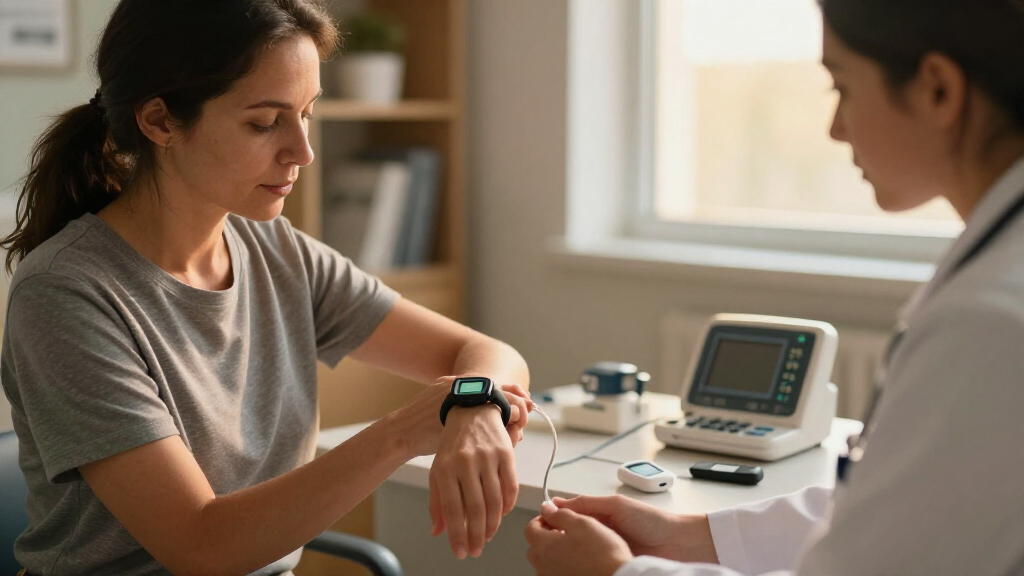
The roundup, published by MedPage Today, cited a New York Times report asking what menopause-related information devices such as the Apple Watch can track. It did not specify which measurements are available, how accurately they identify menopause-related changes, or whether the devices have been validated for clinical use. The item flags a growing consumer-health question rather than reporting a new test or medical recommendation.
On adolescent obesity treatment, the roundup cited a JAMA Pediatrics study reporting that GLP-1 medication prescribing increased from 2017 to 2025 among teens eligible for bariatric surgery. Even so, nine in 10 eligible adolescents received neither GLP-1 medication nor bariatric surgery, according to the summary. It did not give the study’s sample size, prescribing rates by year, or reasons patients did not receive either treatment.
A separate item cited a meta-analysis of 36 studies in JAMA Network Open. It found an association between iatrogenic menopause—menopause brought on by medical treatment or intervention—and higher risks of stroke, coronary heart disease, composite cardiovascular events and death from any cause. The roundup describes these as associations; it does not report absolute risk estimates or establish that the intervention caused each outcome.
Treatment Gaps and Long-Term Risks
The teen prescribing figures highlight a gap between eligibility and receipt of either of the two treatments named in the report. Rising GLP-1 prescribing did not mean most eligible adolescents were receiving medication or surgery. The summary does not establish why the gap exists, so cost, access, clinical decisions or patient preference cannot be identified as causes from this material.
The menopause findings also matter because they concern outcomes beyond menopause symptoms. An association with cardiovascular events and all-cause mortality could be relevant to discussions around medically induced menopause, but the brief report gives no absolute risks, patient characteristics or treatment comparisons. Those details are needed before readers can judge how the findings apply to a particular person. The wearable item adds a related question: consumer tracking may offer information, but the source does not say that a device can diagnose menopause or guide treatment.
menopause tracking wearable device
As an affiliate, we earn on qualifying purchases.
As an affiliate, we earn on qualifying purchases.
Three Threads in Endocrinology
The source is a short news-and-commentary roundup, not a single study or a unified investigation. Its items draw on reporting and publications from several outlets, including the New York Times, JAMA Pediatrics and JAMA Network Open. The menopause wearable question is presented as coverage by the Times, while the teen prescribing and iatrogenic menopause findings are summarized from research articles.
The roundup also noted that the World Health Organization was due to launch two guidelines on integrated obesity management in children and adolescents on Wednesday. It gives no guideline text or implementation details. The date and launch reference indicate a near-term policy development, but the supplied report does not establish whether publication had occurred by the time readers see this article.
“Prescribing surged from 2017 to 2025 among bariatric surgery-eligible teens, yet 9 out of 10 eligible adolescents still went without either treatment.”
— MedPage Today roundup, citing JAMA Pediatrics
women's health wearable for menopause
As an affiliate, we earn on qualifying purchases.
As an affiliate, we earn on qualifying purchases.
Limits in the Available Details
The roundup does not identify the specific wearable measurements under discussion or provide evidence about their accuracy, clinical validation or intended use. It also gives no device-specific findings, so it cannot support a conclusion that a particular smartwatch can track or diagnose menopause.
For the teen study, the summary omits the number of adolescents studied, how eligibility was defined, the size of the prescribing increase and whether the data distinguish medication use from surgery over time. For the meta-analysis, it does not give the populations studied, the interventions associated with iatrogenic menopause, effect sizes or the degree to which underlying conditions may help explain the observed risks. These details remain necessary to interpret the findings. The roundup’s reference to WHO guidelines is prospective, and the supplied material does not include the guidance itself.
menopause symptom monitor smartwatch
As an affiliate, we earn on qualifying purchases.
As an affiliate, we earn on qualifying purchases.
Guidelines and Study Details Ahead
The next near-term development mentioned is the WHO’s planned release of two guidelines on integrated obesity management for children and adolescents. Their recommendations and publication status are not included in the roundup. Readers seeking a fuller account of the prescribing trend or cardiovascular findings will need the underlying JAMA Pediatrics and JAMA Network Open papers, which may provide methods and estimates absent from the short summary.
For menopause wearables, the cited item raises a question but does not identify a device or a clinical standard. Further reporting or research would be needed to clarify what information wearables measure, how those signals relate to menopause, and whether clinicians can use them reliably. No new clinical recommendation is stated in the source.
As an affiliate, we earn on qualifying purchases.
Key Questions
What happened in this report?
MedPage Today published an October 6 endocrinology roundup covering menopause-related wearable tracking, GLP-1 prescribing among eligible teens and research on risks associated with iatrogenic menopause.
Did GLP-1 prescribing increase among eligible teens?
Yes. The roundup says a JAMA Pediatrics study found prescribing rose from 2017 to 2025 among teens eligible for bariatric surgery. It also reports that nine in 10 eligible adolescents received neither medication nor surgery.
Can a smartwatch diagnose menopause?
The supplied report does not say that a smartwatch can diagnose menopause. It cites a question about what devices such as the Apple Watch may track but gives no accuracy or validation findings.
What risks were associated with iatrogenic menopause?
A meta-analysis of 36 studies, as summarized in the roundup, associated iatrogenic menopause with higher risks of stroke, coronary heart disease, composite cardiovascular events and all-cause mortality. The summary does not provide absolute risks or establish causation.
What is expected next?
The roundup said the WHO was due to release two guidelines on integrated obesity management in children and adolescents on Wednesday. The source does not provide their recommendations or confirm their publication status.
Source: rss
Halloween Picks
halloween
As an affiliate, we earn on qualifying purchases.