

TL;DR
The NHS has announced a new program that rewards individuals for engaging in walking exercises to promote physical activity. The initiative aims to improve public health and reduce healthcare costs.
The NHS has introduced a new rewards program designed to encourage more people to engage in regular walking exercises. The initiative aims to promote physical activity, improve health outcomes, and reduce long-term healthcare costs. This program is part of the NHS’s broader efforts to combat sedentary lifestyles and chronic health conditions linked to inactivity.
The program offers participants incentives such as vouchers, discounts, or points redeemable for various health-related products and services. It is targeted at adults of all ages, with a focus on those at risk of or managing conditions like obesity, diabetes, and cardiovascular disease. The NHS states that participation involves tracking walking activity through a dedicated app or wearable devices, with progress monitored and rewards awarded based on milestones reached.
According to NHS officials, the initiative is voluntary and aims to motivate individuals who may find it challenging to incorporate regular exercise into their routines. The program has been piloted in select regions and will be expanded nationally if successful, with NHS officials emphasizing that the primary goal is to foster healthier habits and reduce strain on healthcare services.
Potential Impact on Public Health and Healthcare Costs
This initiative could significantly influence public health by increasing physical activity levels across diverse populations. By incentivizing walking, the NHS hopes to reduce the incidence of lifestyle-related diseases such as obesity, diabetes, and heart disease. In the long term, this could lead to lower healthcare costs and eased pressure on NHS resources, especially in managing chronic conditions.
Experts suggest that behavioral incentives like rewards may enhance engagement in physical activity, particularly among populations less inclined to exercise regularly. However, the actual effectiveness of such programs remains to be seen, and ongoing evaluation will be crucial to measure impact.
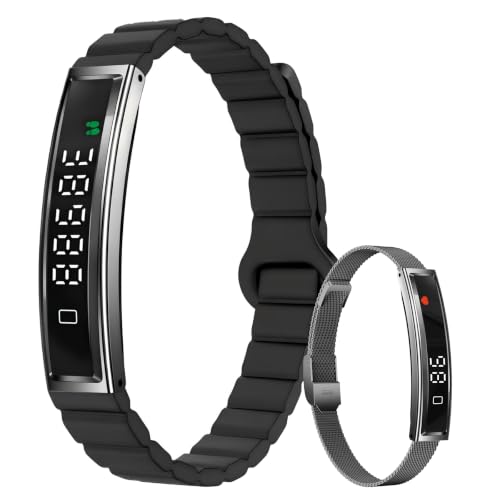
Pedometer Step Counter Fitness Tracker Bracelet with Time Display, Accurate Steps Calories and Distance Tracking, Heart Rate and Sleep Monitor, IP68 Waterproof Slim Activity Band for Women and Men
- Accurate Step, Distance, Calories: Tracks daily activity metrics precisely
- Easy Time Display: Check time directly on your wrist
- Automatic Activity Tracking: Automatically records activity data
As an affiliate, we earn on qualifying purchases.
As an affiliate, we earn on qualifying purchases.
NHS Efforts to Promote Physical Activity
The NHS has been increasingly focused on preventative health measures, including campaigns to promote exercise and healthy living. Previous initiatives have included public awareness campaigns and community-based programs targeting sedentary lifestyles. The current rewards scheme builds on these efforts, aiming to directly motivate individuals by providing tangible incentives for activity.
Walking has been identified as a simple, accessible form of exercise with proven health benefits. This program aligns with national health guidelines recommending at least 150 minutes of moderate activity per week, such as walking, to improve overall well-being.
“Our new rewards program is designed to motivate individuals to incorporate more walking into their daily routines, which can have profound health benefits.”
— NHS spokesperson

NESKLA 3D Pedometer, Simple Step Counter with Large LCD Display for Walking
- Simple and Easy to Use: No Bluetooth or app needed
- Accurate Step Counting: Advanced 3D Tri-Axis Sensor technology
- Large Digital Display: Clear, easy-to-read LCD screen
As an affiliate, we earn on qualifying purchases.
As an affiliate, we earn on qualifying purchases.
Uncertain Outcomes and Evaluation Criteria
It is not yet clear how effective the rewards program will be in increasing walking activity across different demographics. The long-term impact on health outcomes and healthcare costs remains to be evaluated. Details about participation rates, specific reward structures, and the program’s scalability are still emerging, and independent assessments are awaited.

FITVII Screenless Fitness Tracker for Women Men, Health and Fitness Wearable with 24/7 Heart Rate, Blood Pressure and HRV Sleep Monitor, Subscription Free Activity Tracker for Android & iPhone
- Ultra-Slim and Comfortable: Sleek, screenless design for all-day wear
- Comprehensive Wellness Monitoring: Tracks heart rate, blood pressure, HRV, sleep, steps, calories, and distance
- No Subscription Needed: All features included without monthly fees or hidden costs
As an affiliate, we earn on qualifying purchases.
As an affiliate, we earn on qualifying purchases.
Next Steps for Program Expansion and Evaluation
The NHS plans to monitor the pilot phase closely, collecting data on participation levels, activity increases, and health improvements. If successful, the program will be expanded nationwide, with ongoing evaluations to measure its effectiveness. Further details on the types of rewards and targeted populations are expected to be announced in the coming months.

SNYZO Phone Swing, Phone Rocker Compatible for Pokemon go Walker Cellphone Pedometer Accessories (Mute Version)(USB Cable) (Battery Compatible) Quick Step Earning Device – Black
- Compatibility: Works with most pedometers and smartphones
- High Quality Material: Premium, skidproof foam pads for stability
- Noise Reduction: Special design minimizes noise
As an affiliate, we earn on qualifying purchases.
As an affiliate, we earn on qualifying purchases.
Key Questions
How does the NHS rewards program work?
Participants track their walking activity via an app or wearable device. Rewards such as vouchers or discounts are awarded based on reaching specific activity milestones.
Who is eligible to join the program?
The program is open to adults of all ages, especially those at risk of or managing chronic health conditions like obesity and diabetes.
Are there any costs involved for participants?
No, participation is voluntary and free. The program offers incentives as motivation, not as a paid service.
How will the NHS measure the success of this initiative?
The NHS will evaluate participation rates, activity levels, and health outcomes through data collected during the pilot and subsequent expansion phases.
When will the program be available nationwide?
If the pilot proves successful, the NHS plans to expand the program across the UK within the next year, with further details to be announced.
Source: google-trends