
TL;DR

Turn your wind-down time into listening time
- Thousands of audiobooks, podcasts and originals
- Listen on your phone, tablet or Echo — also offline
- Cancel anytime
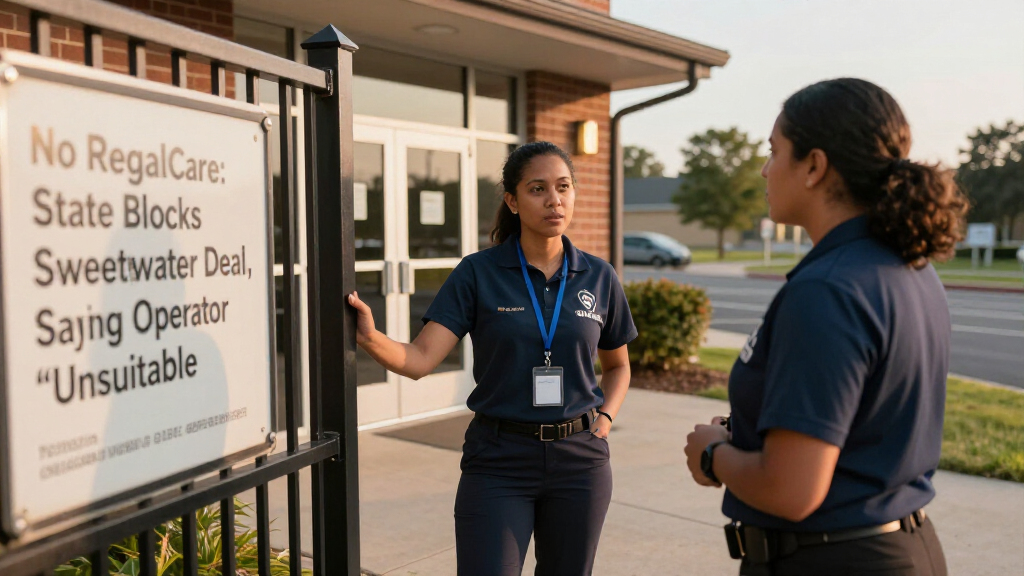
The Massachusetts Department of Public Health has ruled Sweetwater Care affiliates unsuitable to acquire 11 nursing homes formerly operated by Next Step Healthcare. Sweetwater may appeal, but cannot obtain licenses for the properties while the decision stands; it continues to manage the homes under a court-ordered receivership.
Massachusetts health officials have blocked Sweetwater Care affiliates from acquiring 11 nursing homes formerly operated by Next Step Healthcare, ruling that the proposed buyer is “unsuitable.” The decision prevents Sweetwater from obtaining licenses for the facilities while it stands, although the company may appeal and continues to manage the homes under a court-ordered receivership.
The state Department of Public Health issued the suitability ruling, according to the report by Skilled Nursing News. The Telegram & Gazette reported that Sweetwater can appeal, but cannot receive licenses for the properties in the meantime. The ruling concerns the proposed acquisition, not an immediate end to Sweetwater’s role at the homes: it remains their temporary operator under a judge’s receivership order.
The acquisition involved 11 Massachusetts facilities previously operated by Next Step Healthcare. Sweetwater is based in Carlsbad, California. The report says the homes have faced staffing and financial challenges in recent years, and that the state has not identified a new buyer. The timing and process for a transfer have not been announced in the source material.
The proposed purchase drew objections from Dignity Alliance Massachusetts, an elder-care quality advocate. The group cited Sweetwater’s operating history, including low staffing levels, low federal star ratings at some facilities and financial penalties. Those concerns formed part of the public debate; the state’s formal ruling is that the affiliates were unsuitable to acquire these properties.
Who Will Operate the 11 Homes?
The decision leaves the ownership and long-term operating plan unresolved for 11 nursing homes. Sweetwater’s temporary management continues under receivership, but it cannot secure licenses for the acquisition unless the ruling changes. A prolonged period without a permanent buyer could complicate planning for residents, families and staff, though the source report does not detail any immediate changes to care or operations.
The case also tests Massachusetts’ scrutiny of buyers from outside the state. Advocates and lawmakers have argued that regulators need to examine prospective owners’ track records closely before approving nursing-home acquisitions. The ruling signals that the state has rejected this transaction on suitability grounds, but it does not by itself establish what will happen to the facilities or their residents next.
As an affiliate, we earn on qualifying purchases.
A New Review Framework for Buyers
Massachusetts lawmakers passed a law in 2024 giving public health officials more authority to investigate out-of-state nursing-home buyers. The state Public Health Council approved regulations under that law on October 14, 2026, according to the supplied report. The Sweetwater ruling comes amid concerns from advocates and lawmakers about whether the state has adequately scrutinized buyers in earlier transactions.
The report compares those concerns with the case of New Jersey-based RegalCare. New Jersey officials permanently revoked owner Eliyahu “Eli” Merlis’ license to work as a nursing-home administrator before RegalCare acquired 12 Massachusetts homes. Massachusetts officials are also in the process of revoking RegalCare’s license to operate nursing homes in the state. The comparison reflects advocates’ concerns about buyer reviews; it does not mean the RegalCare and Sweetwater cases have identical facts or outcomes.
Sweetwater also has faced regulatory scrutiny in California. The California attorney general’s office reached a $15 million settlement with the company in July over violations of state staffing requirements. The report says an investigation found more than 14,000 instances of low staffing at Sweetwater facilities. Separately, Next Step Healthcare reached a $4 million settlement with the Massachusetts attorney general in 2024, described in the report as the largest settlement for a nursing-home operator in the state at that time.
““Unsuitable””
— Massachusetts Department of Public Health, as reported by Skilled Nursing News
elder care facility management tools
As an affiliate, we earn on qualifying purchases.
As an affiliate, we earn on qualifying purchases.
Appeal and Buyer Remain Unknown
The report says Sweetwater may appeal, but does not state whether it has filed an appeal or when a decision might come. It also does not identify another prospective buyer, set a timeline for a sale or explain how long the receivership is expected to continue.
The source material does not describe any immediate changes to staffing, resident care or facility operations following the suitability ruling. It is also not clear whether the state’s newly approved regulations affected the review process in this case. Those details should not be inferred from the ruling alone.
nursing home resident safety equipment
As an affiliate, we earn on qualifying purchases.
As an affiliate, we earn on qualifying purchases.
Appeal, Licensing and Sale Timeline
The next clear step would be an appeal by Sweetwater, if the affiliates choose to pursue one. Until the ruling is reversed or otherwise changed, the company is not permitted to obtain licenses for the properties as their purchaser. The receivership remains the reported basis for its temporary management role.
Readers will also be watching for a state update on the homes’ longer-term ownership and operating arrangements. No sale date or replacement operator has been announced in the supplied report. Any future transfer would need to address licensing and the facilities’ ongoing operation, but the available information does not establish a specific timetable.
senior care facility management software
As an affiliate, we earn on qualifying purchases.
As an affiliate, we earn on qualifying purchases.
Key Questions
What did Massachusetts decide?
The state Department of Public Health ruled that Sweetwater Care affiliates were unsuitable to acquire 11 nursing homes formerly operated by Next Step Healthcare.
Can Sweetwater appeal the ruling?
Yes. The report says Sweetwater may appeal, but does not say whether it has done so. While the ruling stands, the affiliates cannot obtain licenses for the properties.
Who is managing the nursing homes now?
Sweetwater remains the temporary manager under a judge’s receivership order, according to the report. The ruling blocks its proposed acquisition but does not immediately end that management role.
Has a new buyer been named?
No. The report says it is unclear who will buy the properties. It gives no confirmed sale schedule or replacement operator.
Why did the deal face opposition?
Dignity Alliance Massachusetts urged the state to block it, pointing to Sweetwater’s staffing record, low federal star ratings at some facilities and financial penalties. California’s attorney general’s office also reached a $15 million settlement with Sweetwater over staffing-rule violations, according to the report.
Source: rss
Halloween Picks
halloween
As an affiliate, we earn on qualifying purchases.