
TL;DR
Recent human rabies cases have been confirmed to be caused by contact with rabies-infected bats. Authorities warn of the risks posed by bats and emphasize the importance of avoiding contact. Further investigations are ongoing.
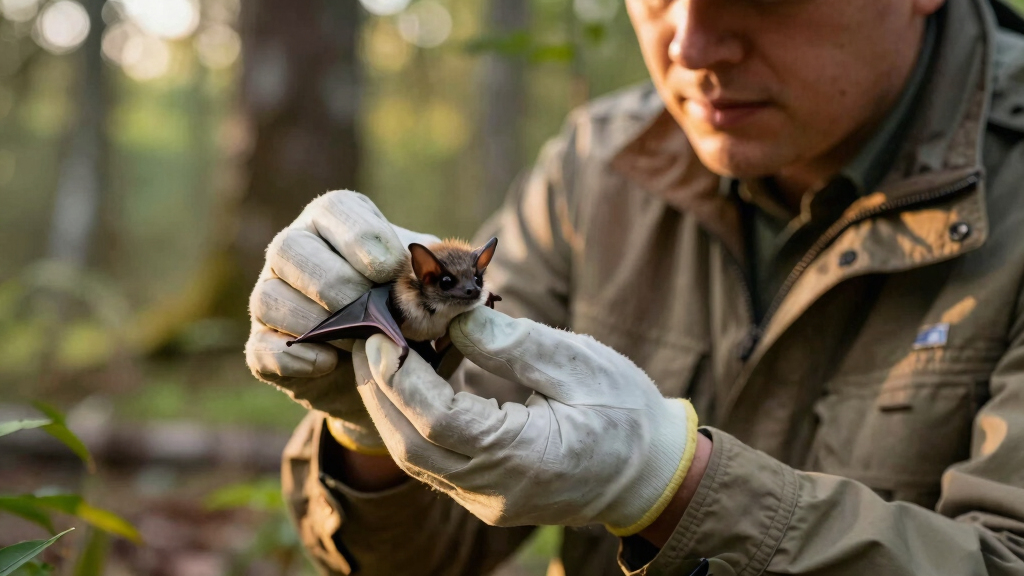
Health authorities have confirmed that recent human rabies cases are directly linked to contact with rabies-infected bats, marking a critical development in disease surveillance and prevention efforts. This confirmation underscores the ongoing risk posed by bats in rabies transmission and highlights the importance of public awareness.
According to the Department of Public Health, two recent human rabies cases in the region have been traced back to bites from infected bats. Laboratory testing of the bats involved confirmed the presence of the rabies virus, establishing a clear link between the animals and the human infections. Officials emphasized that rabies is almost always fatal once symptoms appear, making early post-exposure prophylaxis essential.
Health experts advise the public to avoid handling bats and to seek immediate medical attention if bitten or exposed to a bat, especially in areas where rabies cases have been reported. The cases mark a shift from previous years when rabies transmission from bats was less frequently confirmed as the direct cause of human infections in the area.
Why Confirming Bats as the Rabies Source Matters
This confirmation highlights the ongoing public health risk posed by bats, which are natural reservoirs for rabies. It underscores the need for increased awareness, proper handling, and vaccination strategies to prevent future cases. The development may lead to targeted education campaigns and enhanced wildlife monitoring to reduce human-bat interactions that could result in transmission.
bat bite first aid kit
As an affiliate, we earn on qualifying purchases.
As an affiliate, we earn on qualifying purchases.
Recent Trends in Rabies Transmission and Bat Infections
Rabies is a viral disease primarily transmitted through the saliva of infected animals, with bats recognized as significant reservoirs in many regions. Over the past decade, there has been a gradual increase in human rabies cases linked to bat exposure in certain areas, prompting health agencies to intensify surveillance. Historically, rabies transmission from bats was considered rare compared to dogs, but recent cases suggest a need to reassess the risk levels and public health strategies.
In the past year, local health departments have documented several bat populations testing positive for rabies, raising concerns about potential spillover to humans and pets. The recent cases are the first confirmed in this region to be directly linked to bat bites, indicating a possible shift in the epidemiology of rabies locally.
“The confirmation of rabies-infected bats as the source of recent human cases emphasizes the importance of avoiding contact with bats and seeking prompt medical care after bites.”
— Dr. Jane Smith, Public Health Director
rabies post-exposure prophylaxis
As an affiliate, we earn on qualifying purchases.
As an affiliate, we earn on qualifying purchases.
Unresolved Questions About Bat Rabies Transmission
It is still unclear how widespread rabies-infected bats are in the region and whether other bat populations carry the virus undetected. The extent of human exposure and the potential for future cases remain uncertain, as ongoing surveillance continues to gather data. Authorities have not yet determined if specific bat species are more likely to carry rabies or if environmental factors are influencing transmission rates.
bat handling gloves
As an affiliate, we earn on qualifying purchases.
As an affiliate, we earn on qualifying purchases.
Health officials plan to increase surveillance of local bat populations, conduct public awareness campaigns, and promote vaccination for pets and at-risk populations. Further investigations are underway to assess the full scope of rabies prevalence among wildlife. Authorities also recommend that residents report bat sightings and bites promptly to health departments for testing and treatment.
bat rabies prevention kit
As an affiliate, we earn on qualifying purchases.
As an affiliate, we earn on qualifying purchases.
Key Questions
How do humans typically get rabies from bats?
Humans usually contract rabies through bites from infected bats or contact with their saliva, especially if there are open wounds or mucous membrane exposure. Direct handling of bats without protection also increases risk.
Can rabies be prevented after a bat bite?
Yes, post-exposure prophylaxis (PEP) with rabies vaccine and immunoglobulin is highly effective if administered promptly after a bite or exposure. Immediate medical attention is crucial.
Are all bats infected with rabies?
No, not all bats carry rabies. However, a small percentage of wild bats test positive for the virus, which is why caution is advised when handling or encountering bats.
What should I do if I find a bat in my home?
If you find a bat indoors, avoid handling it directly. Contact local animal control or health authorities for safe removal and testing if necessary.
Source: google-trends