
TL;DR
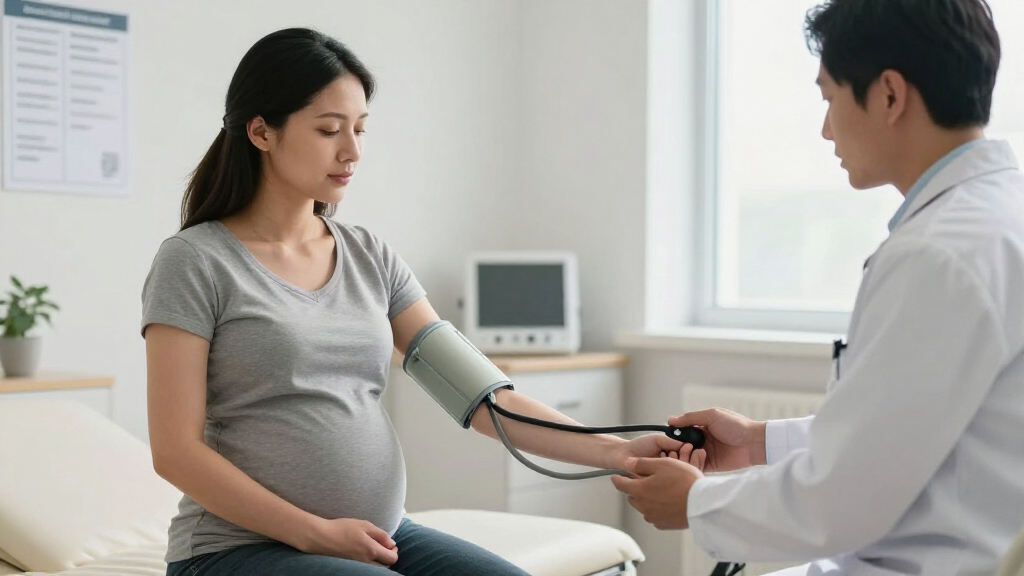
Recent research indicates a significant rise in high blood pressure cases among pregnant women. The trend poses potential risks for maternal and fetal health, prompting calls for increased monitoring and intervention.
A recent study has found that the rates of high blood pressure among pregnant women are increasing worldwide, raising concerns among healthcare professionals. The rise is linked to broader health and environmental factors, and experts warn it could lead to more complications during pregnancy.
The study, conducted by researchers at the Global Maternal Health Institute, analyzed data from over 50 countries spanning the past decade. It found that the prevalence of hypertension during pregnancy has increased by approximately 15% since 2013. This rise is observed across different regions, including both high-income and low-income countries.
According to the lead researcher, Dr. Maria Lopez, “Our findings suggest that high blood pressure during pregnancy is becoming more common, which could be due to factors such as rising obesity rates, stress, and environmental pollutants.” The study emphasizes that hypertensive disorders are a leading cause of maternal and fetal morbidity and mortality, making this trend a significant public health concern.
Healthcare providers are advised to increase screening efforts and manage blood pressure more aggressively in pregnant women to mitigate risks. The study also highlights disparities, noting that women in lower-income regions are disproportionately affected.
Implications for Maternal and Fetal Health Outcomes
The increase in high blood pressure among pregnant women could lead to more cases of preeclampsia, eclampsia, and other hypertensive disorders, which are linked to serious complications such as preterm birth, placental abruption, and maternal death. This trend underscores the need for enhanced prenatal care and targeted interventions to protect both mother and child.
Public health officials and policymakers may need to revisit guidelines for pregnancy monitoring and address broader social determinants contributing to this rise, such as obesity and environmental pollution. The trend also raises concerns about the long-term health impacts for women who experience hypertensive disorders during pregnancy.
blood pressure monitor for pregnancy
As an affiliate, we earn on qualifying purchases.
As an affiliate, we earn on qualifying purchases.
Recent Trends and Contributing Factors in Pregnancy Hypertension
Over the past decade, increasing rates of chronic conditions like obesity and diabetes have been linked to higher risks of hypertension during pregnancy. Environmental factors, including exposure to pollutants, and psychosocial stress are also believed to contribute. Previous studies have documented regional disparities, with lower-income countries facing greater challenges due to limited healthcare resources.
The new study builds on prior research indicating that hypertensive disorders are among the leading causes of maternal mortality globally, and suggests that the problem is worsening. Efforts to improve screening and management have been inconsistent across regions, which may influence current trends.
“The rising rates of high blood pressure in pregnancy are alarming and call for urgent action to improve screening and management strategies worldwide.”
— Dr. Maria Lopez, lead researcher
As an affiliate, we earn on qualifying purchases.
Uncertain Factors Behind the Rising Hypertension Rates
It remains unclear what proportion of the increase is directly attributable to specific factors such as environmental pollution, lifestyle changes, or healthcare access disparities. The study suggests correlations but does not establish definitive causation. Further research is needed to identify the primary drivers of this trend and effective intervention points.
As an affiliate, we earn on qualifying purchases.
Next Steps for Monitoring and Addressing Pregnancy Hypertension
Researchers plan to conduct more detailed investigations into regional variations and underlying causes. Healthcare systems are encouraged to enhance screening protocols and develop targeted programs for at-risk populations. Policymakers may also consider addressing broader social determinants contributing to this rise, including environmental policies and public health initiatives.
prenatal blood pressure tracking device
As an affiliate, we earn on qualifying purchases.
As an affiliate, we earn on qualifying purchases.
Key Questions
Why are high blood pressure rates increasing in pregnant women?
While the exact causes are still under investigation, factors such as rising obesity, environmental pollution, stress, and limited healthcare access are believed to contribute to the trend.
What risks does high blood pressure pose during pregnancy?
Hypertensive disorders can lead to complications like preeclampsia, preterm birth, placental abruption, and increased maternal and fetal mortality.
Are certain populations more affected than others?
Yes, the study indicates that women in lower-income regions and those with pre-existing conditions are disproportionately impacted by rising hypertension rates.
What can pregnant women do to reduce their risk?
Healthcare providers recommend regular prenatal check-ups, maintaining a healthy weight, managing stress, and avoiding environmental pollutants where possible. Consultation with a healthcare professional is essential for personalized guidance.
Will this trend lead to changes in healthcare policies?
Likely, as policymakers and health organizations consider strategies to improve screening, management, and social determinants influencing maternal health outcomes.
Source: rss