
TL;DR
Belgium’s Standing Vaccination Committee has issued new immunization guidelines, affecting COVID-19 and other vaccines. The decision aims to optimize public health strategies amid evolving circumstances.
The Belgian Standing Vaccination Committee (STIKO) has released new vaccination guidelines, including updates on COVID-19 booster recommendations and other immunizations, affecting healthcare providers and the public nationwide. The decision reflects ongoing assessments of vaccine efficacy and disease risk, making it a key development in Belgium’s public health strategy.
The STIKO announced its latest recommendations on March 15, 2024, after reviewing recent scientific data and epidemiological trends. The updated guidelines include extending the interval between COVID-19 booster doses for certain age groups and adjusting vaccination schedules for vulnerable populations. The committee emphasized that these changes aim to improve vaccine coverage and effectiveness while optimizing resource use.
According to the official statement from the Belgian Federal Public Service (FPS) Public Health, the new recommendations are based on recent studies indicating that immunity from initial COVID-19 doses remains strong in most populations, reducing the need for frequent boosters in healthy adults. However, high-risk groups, such as the elderly and immunocompromised, will continue to receive prioritized booster doses.
The committee also reaffirmed the importance of influenza vaccination and clarified that routine immunizations for other preventable diseases remain unchanged. The guidelines are expected to be integrated into national vaccination schedules in the coming months, with health authorities advising healthcare providers to adapt their practices accordingly.
Implications for Public Health Policy and Vaccination Strategy
The new recommendations from the STIKO are significant because they reflect a shift towards more targeted vaccination efforts, potentially reducing vaccine demand in low-risk groups while focusing on high-risk populations. This approach could influence vaccine procurement, distribution, and public messaging, impacting overall COVID-19 management and routine immunization programs in Belgium.
For the public, these changes may mean fewer booster shots for some, but continued emphasis on vaccination for vulnerable groups. Experts suggest that the adjustments aim to balance immunity levels with vaccine availability and public acceptance, ultimately supporting ongoing efforts to control disease spread.

Anjali the Brave: All about Vaccines
As an affiliate, we earn on qualifying purchases.
As an affiliate, we earn on qualifying purchases.
Recent Evolution of Belgium’s Vaccination Policies
Belgium’s vaccination policies have evolved throughout the COVID-19 pandemic, with the STIKO regularly updating recommendations based on emerging scientific evidence. The initial focus was on rapid vaccination rollout, followed by booster campaigns targeting high-risk groups. As the pandemic situation stabilized and new variants emerged, authorities shifted towards more sustainable, evidence-based strategies.
The latest update follows similar actions by other European countries, which have adjusted booster intervals and vaccination priorities as part of their long-term COVID-19 management plans. The Belgian STIKO has historically played a key role in guiding national immunization efforts, with its recommendations influencing both public health policy and clinical practice.
Prior to this update, Belgium recommended booster doses every four months for vulnerable populations, but recent data prompted a reassessment. The committee’s decision aligns with the broader European trend of optimizing vaccination schedules to maintain immunity while preventing fatigue and vaccine hesitancy.
“Our updated guidelines are based on the latest scientific evidence and aim to balance immunity with vaccine resources, ensuring the most vulnerable are protected.”
— Dr. Marie De Smet, Chair of STIKO

Unavoidably Unsafe for Adults: A Physician's Guide to Vaccine Safety, Effectiveness, and Your Right to Choose
As an affiliate, we earn on qualifying purchases.
As an affiliate, we earn on qualifying purchases.
Remaining Questions About Implementation and Impact
It is not yet clear how quickly healthcare providers will adapt to the new guidelines or how the public will respond to the changes. Specific details about the timeline for nationwide implementation and communication strategies are still emerging. Additionally, the long-term impact of the adjusted booster intervals on immunity and disease control remains to be seen, as ongoing studies continue to evaluate vaccine effectiveness over time.

NNPCBT 100PCS 3 Ply Black Disposable Face Mask Filter Protection Face Masks
1.3 layers face mask -It's made of 3 layers fabric.
As an affiliate, we earn on qualifying purchases.
As an affiliate, we earn on qualifying purchases.
Next Steps for Policy Rollout and Monitoring
The Belgian health authorities are expected to disseminate detailed guidance to healthcare providers in the coming weeks, including training and informational materials. Monitoring systems will track vaccination uptake, immunity levels, and disease incidence to assess the effectiveness of the new recommendations. Further updates may be issued as new data become available or if epidemiological conditions change.
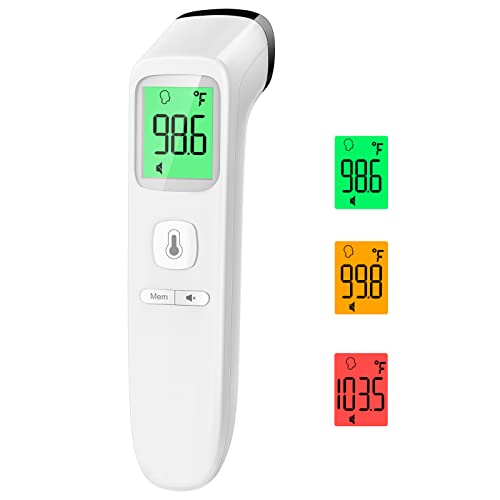
No-Touch Thermometer for Adults and Kids, Accurate Digital Baby Thermometer, Fever Alarm & Silent Mode, 2 in 1 Forehead & Object Mode
Reliable & Accurate: Goodbaby Forehead Thermometer has been clinically tested and found to be a fast and absolutely…
As an affiliate, we earn on qualifying purchases.
As an affiliate, we earn on qualifying purchases.
Key Questions
What are the main changes in the new vaccination guidelines?
The STIKO recommends extending the interval between COVID-19 booster doses for healthy adults and prioritizing boosters for high-risk groups, with routine immunizations remaining unchanged.
Will these changes affect my upcoming COVID-19 vaccination?
If you are a healthy adult, you may experience a longer interval before your next booster. High-risk individuals are advised to continue following specific booster schedules as recommended by their healthcare providers.
When will the new guidelines take effect?
The recommendations are effective immediately, with detailed implementation plans expected within the next month.
How will this impact overall COVID-19 control in Belgium?
The shift aims to maintain immunity in vulnerable populations while optimizing vaccine use, potentially reducing unnecessary boosters in healthy groups and focusing resources on those most at risk.
Are other vaccines affected by these updates?
No, routine immunizations for other preventable diseases remain unchanged in the current guidelines.
Source: google-trends