

To balance your intimacy needs, it is crucial to be honest about your desires while respecting your partner’s boundaries. Open communication helps build trust and deepens connection, encouraging emotional vulnerability and physical closeness. By actively listening and showing understanding, you create a safe space for both of you to express what feels right. Finding this balance takes effort and mutual respect, and exploring these aspects further can lead to a more fulfilling relationship.
Key Takeaways
- Open honest communication about needs and boundaries fosters mutual understanding and aligns intimacy levels.
- Recognizing and respecting individual comfort zones ensures healthy physical and emotional closeness.
- Sharing vulnerabilities builds trust, encouraging reciprocal openness and deeper connection.
- Balancing presence and attentiveness strengthens emotional bonds while honoring personal limits.
- Regularly discussing and adjusting intimacy boundaries helps maintain harmony and growth in the relationship.

Maintaining a healthy relationship often requires balancing your own intimacy needs with those of your partner. One essential aspect of this balance is understanding how emotional vulnerability plays a role in fostering deeper connection. When you open up about your feelings, fears, and desires, you’re allowing yourself to be truly seen, which can strengthen the emotional bond between you and your partner. This act of honesty requires courage, but it also invites vulnerability that builds trust over time. As you share more of your inner world, your partner is more likely to reciprocate, creating a safe space where both of you feel secure enough to express your authentic selves. Additionally, understanding the different types of cookies and how they influence your online privacy can help you make informed choices about your digital boundaries, mirroring the importance of setting healthy boundaries in your relationships.
Opening up honestly fosters trust and deepens emotional connection in a healthy relationship.
Physical closeness is another crucial component of intimacy that often fluctuates based on individual needs and circumstances. You might crave more hugs, cuddling, or simply being close during everyday moments, but it’s important to recognize that your partner may have different comfort levels or needs. Striking a balance involves being attentive and respectful of these differences, ensuring that physical closeness isn’t forced but rather nurtured through mutual understanding. When you communicate openly about what feels good and what doesn’t, you create an environment where physical intimacy becomes a shared experience rather than a source of tension. This ongoing dialogue helps prevent misunderstandings and ensures that both of you feel valued and cared for.
In addition to sharing your feelings, being present in the moment enhances physical closeness. You can do this by actively listening, maintaining eye contact, and engaging in gentle touches that affirm your connection. These small gestures can profoundly deepen your sense of intimacy, making your partner feel appreciated and understood. Remember, emotional vulnerability isn’t just about words; it’s also about how you physically connect and respond to each other. When you’re comfortable expressing your needs and boundaries, you help create a balanced space where both emotional and physical aspects of intimacy thrive.
Ultimately, balancing your intimacy needs involves ongoing effort and honest communication. Recognize that emotional vulnerability and physical closeness are interconnected; fostering one often enhances the other. By approaching your relationship with openness and respect, you create an environment where both you and your partner can grow closer without sacrificing your individual comfort levels. It’s about finding a rhythm that honors both your desire for connection and your partner’s boundaries, creating a partnership built on trust, understanding, and genuine closeness. Being aware of how privacy and cookie management impact your online experience can also reflect the importance of mutual respect and boundaries in personal relationships.

Communication Skills for Couples: Guide to Improve Communications, Resolve Conflict, Deepen Intimacy, Strengthen Marriage and Create a Healthy Relationship
As an affiliate, we earn on qualifying purchases.
As an affiliate, we earn on qualifying purchases.
Frequently Asked Questions
How Can I Tell if My Intimacy Needs Are Healthy?
You can tell your intimacy needs are healthy if you feel comfortable seeking emotional closeness and physical affection from your partner without feeling pressured or anxious. When you enjoy sharing your feelings and desire physical touch, it shows you’re in tune with your needs. Healthy intimacy balances closeness and independence, making you feel connected and secure. If these needs cause stress or discomfort, it might be time to reassess and communicate openly.
What Are Signs of Mismatched Intimacy Levels in a Relationship?
Ever notice feeling emotionally distant or physically disconnected from your partner? These are signs of mismatched intimacy levels. If one of you craves deep emotional intimacy but the other pulls away, or if physical connection feels strained or inconsistent, it indicates a mismatch. You might also feel unfulfilled or misunderstood. Recognizing these signs helps you address the imbalance, fostering healthier emotional intimacy and a stronger physical connection.
How Do Cultural Differences Influence Intimacy Needs?
Cultural differences shape your intimacy needs by influencing your norms and expectations around closeness and affection. If your culture values privacy and emotional restraint, you might expect less physical or verbal intimacy. Conversely, cultures that emphasize family and community often encourage frequent, open expressions of connection. Recognizing these cultural norms helps you understand your partner’s intimacy expectations, fostering respect and better communication in your relationship.
Can Therapy Effectively Help Balance Intimacy and Desire?
Like a skilled navigator guiding you through rough seas, therapy can effectively help balance intimacy and desire. Using proven therapeutic techniques, a counselor helps you explore emotional intimacy, uncover underlying issues, and develop healthier communication. This process deepens your connection, aligns your desires, and fosters mutual understanding. With patience and effort, therapy empowers you to create a more fulfilling relationship where intimacy and desire coexist harmoniously.
How Do Past Traumas Impact Current Intimacy Needs?
Past traumas can profoundly impact your current intimacy needs by triggering emotional responses that disrupt connection. Trauma triggers may cause you to withdraw or feel unsafe, making vulnerability difficult. Building emotional resilience helps you recognize these triggers and respond more adaptively. Therapy can support you in processing trauma, strengthening resilience, and creating healthier intimacy patterns, so you can reconnect more confidently and satisfyingly with your partner.

How to Stop Overthinking in Relationships: Proven Strategies and Techniques to Quiet the Mind, Enhance Communication, and Build Deep, Trusting Connections You Deserve
As an affiliate, we earn on qualifying purchases.
As an affiliate, we earn on qualifying purchases.
Conclusion
Just like the moon finds balance in its phases, you too can harmonize your desire and connection. Remember, it’s a delicate dance—sometimes pulling closer, sometimes giving space. By understanding your needs and communicating openly, you create a rhythm that nurtures intimacy. Keep in mind, even in the quiet moments, there’s beauty in the ebb and flow. Embrace this dance, and you’ll find your relationship shining brighter, echoing the timeless dance of the stars.
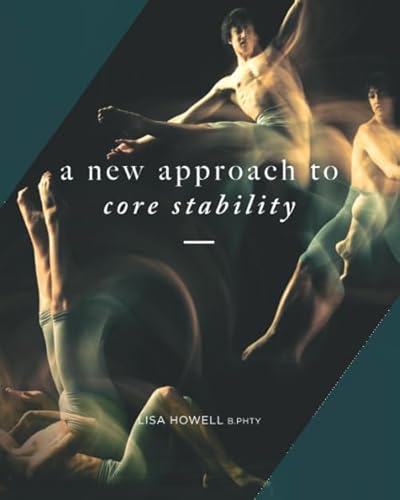
A New Approach to Core Stability (The Ballet Blog – Performance Enhancement Programs)
As an affiliate, we earn on qualifying purchases.
As an affiliate, we earn on qualifying purchases.

The Set Boundaries Workbook: Practical Exercises for Understanding Your Needs and Setting Healthy Limits
As an affiliate, we earn on qualifying purchases.
As an affiliate, we earn on qualifying purchases.