

To stop small annoyances from becoming big relationship problems, focus on early communication and emotional awareness. Address concerns promptly with “I” statements, and practice active listening to understand each other’s perspectives. Set clear boundaries and routines to reduce common frustrations. Stay calm, patient, and empathetic during disagreements, and avoid impulsive reactions. By handling small issues thoughtfully, you build a resilient relationship. If you want more tips, discover how emotional regulation and proactive strategies make a difference.
Key Takeaways
- Recognize and address small frustrations early through emotional awareness and calm communication.
- Use “I” statements and active listening to resolve conflicts without blame.
- Set clear boundaries and responsibilities to prevent recurring annoyances.
- Practice patience and emotional regulation to stay composed during disagreements.
- Regularly check in with your partner to maintain open dialogue and strengthen resilience.

Small annoyances in a relationship can easily snowball into major conflicts if left unaddressed. You might not realize it at first, but tiny frustrations—like leaving dishes in the sink or forgetting an important date—can build up if you don’t handle them early. The key to preventing these small issues from escalating is mastering conflict resolution and cultivating emotional awareness. When you’re aware of your feelings and able to communicate them effectively, you’re better equipped to address problems before they grow out of control.
The first step is recognizing your emotions. Instead of dismissing irritation or frustration, pause and identify what’s really bothering you. Are you upset because your partner forgot something important, or is it about feeling undervalued? Understanding the root of your feelings allows you to approach the situation with clarity. Emotional awareness helps you avoid lashing out or making assumptions, which can turn minor disagreements into full-blown arguments. When you’re mindful of your emotions, you can choose to respond calmly and constructively, rather than react impulsively.
Conflict resolution skills are equally vital. When an issue arises, focus on addressing the specific problem without assigning blame. Use “I” statements to express how you feel—like “I feel overlooked when my concerns aren’t acknowledged”—instead of accusatory language. This approach fosters understanding and encourages your partner to listen without becoming defensive. Be willing to listen actively, showing that you value their perspective, even if you disagree. Sometimes, small compromises can prevent disagreements from escalating, saving your relationship unnecessary stress. Developing conflict management strategies can help you navigate disagreements more effectively and prevent small issues from escalating into larger conflicts. Additionally, practicing patience and empathy can improve your ability to handle disagreements more compassionately.
Another effective strategy is setting boundaries and establishing routines that minimize common annoyances. If you both agree on chores or other responsibilities, it reduces the chances of resentment brewing over neglected tasks. When conflicts do happen, tackle them promptly, rather than letting them fester. Ignoring issues makes them grow in significance, which can lead to resentment. Regularly check in with each other about how you’re feeling and what’s bothering you—this proactive communication can nip minor annoyances in the bud. Additionally, understanding emotional regulation can help you stay calm and respond thoughtfully in tense situations.
Ultimately, the way you handle small annoyances determines whether they stay trivial or become major problems. By practicing emotional awareness and applying conflict resolution techniques, you create a healthier, more resilient relationship. It’s about addressing issues early, communicating openly, and respecting each other’s feelings. When you do this consistently, you prevent minor irritations from turning into bigger conflicts, keeping your relationship strong and harmonious. Cultivating emotional intelligence can further enhance your ability to respond thoughtfully to your partner’s concerns.
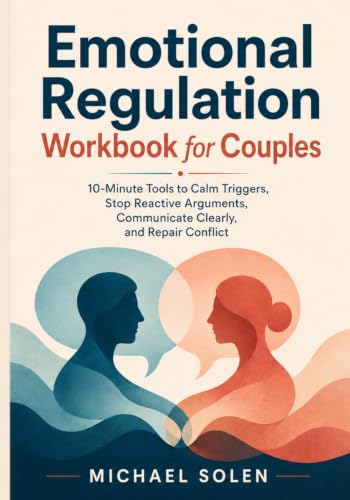
Emotional Regulation Workbook for Couples : 10-Minute Tools to Calm Triggers, Stop Reactive Arguments, Communicate Clearly, and Repair Conflict
As an affiliate, we earn on qualifying purchases.
As an affiliate, we earn on qualifying purchases.
Frequently Asked Questions
How Can I Tell if an Annoyance Is Worth Addressing?
You can tell if an annoyance is worth addressing by evaluating your emotional awareness; ask yourself if it’s genuinely bothering you or just a minor inconvenience. Use communication strategies like expressing your feelings calmly and clearly. If the issue repeatedly affects your well-being or causes ongoing tension, it’s worth bringing up. Trust your instincts and remember that addressing important concerns fosters healthier, more resilient relationships.
What Are Quick Ways to Cool Down During Disagreements?
You might find that taking a deep breath or stepping away temporarily helps you emotionally regulate during disagreements. This quick pause allows your emotions to settle, preventing escalation. Engaging in active conflict resolution often means giving yourself a moment to cool down before responding. These simple strategies can make a big difference, helping you maintain perspective and communicate more effectively, ultimately strengthening your relationship rather than letting small annoyances grow into bigger issues.
How Do I Approach My Partner About Minor Annoyances?
You approach your partner with honesty and kindness, using clear communication tips like “I” statements to express your feelings without blame. Be emotionally aware of your reactions, and choose a calm moment to discuss minor annoyances. Show understanding and listen actively, so your partner feels respected. This approach helps prevent small irritations from escalating, fostering trust and open dialogue, ultimately strengthening your relationship.
When Should I Seek Outside Help for Relationship Issues?
You should seek outside help when cultural differences or past experiences create ongoing misunderstandings or emotional barriers that you can’t resolve together. If conflicts persist despite honest conversations and your partner’s willingness to improve, a counselor or therapist can provide valuable guidance. Recognize when issues start affecting your mental health or relationship satisfaction, and don’t hesitate to ask for professional support to foster understanding and growth.
How Can I Prevent Small Annoyances From Building up Over Time?
Did you know that unresolved small annoyances can lead to 60% of relationship conflicts? To prevent this, practice effective communication strategies and stay emotionally aware of your feelings. Address issues early by calmly discussing concerns, rather than letting them fester. Regular check-ins help you both stay connected and prevent small annoyances from piling up, ensuring your relationship stays strong and harmonious over time.
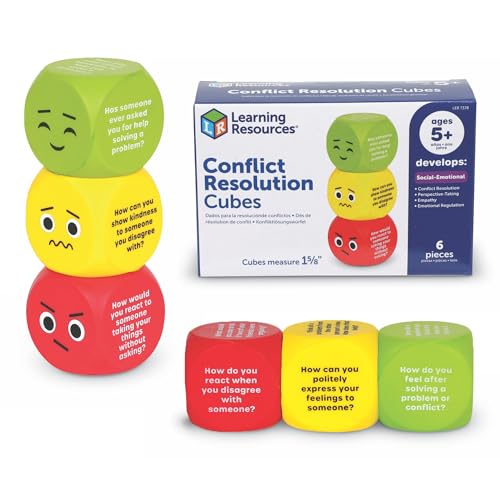
Learning Resources Conflict Resolution Cubes
- Interactive Conversation Cubes: 30 prompts for communication skills
- Develop Conflict Resolution: Identify conflicts and practice conversations
- Color-Coded Guidance: Red for conflict, yellow for communication, green for reflection
As an affiliate, we earn on qualifying purchases.
As an affiliate, we earn on qualifying purchases.
Conclusion
Remember, small annoyances are like tiny sparks—left unchecked, they can ignite a wildfire that consumes your relationship. By addressing issues early and communicating openly, you’re planting seeds of understanding that grow into a sturdy, blooming garden of trust. Keep your patience as your guiding compass and your empathy as the gentle rain that nurtures connection. With care and attentiveness, you’ll turn minor frustrations into stepping stones, building a resilient love that withstands any storm.

The Holiday Boundary Survival Kit: Surviving gatherings without losing peace
As an affiliate, we earn on qualifying purchases.
As an affiliate, we earn on qualifying purchases.

Co-Active Coaching: Changing Business, Transforming Lives
As an affiliate, we earn on qualifying purchases.
As an affiliate, we earn on qualifying purchases.