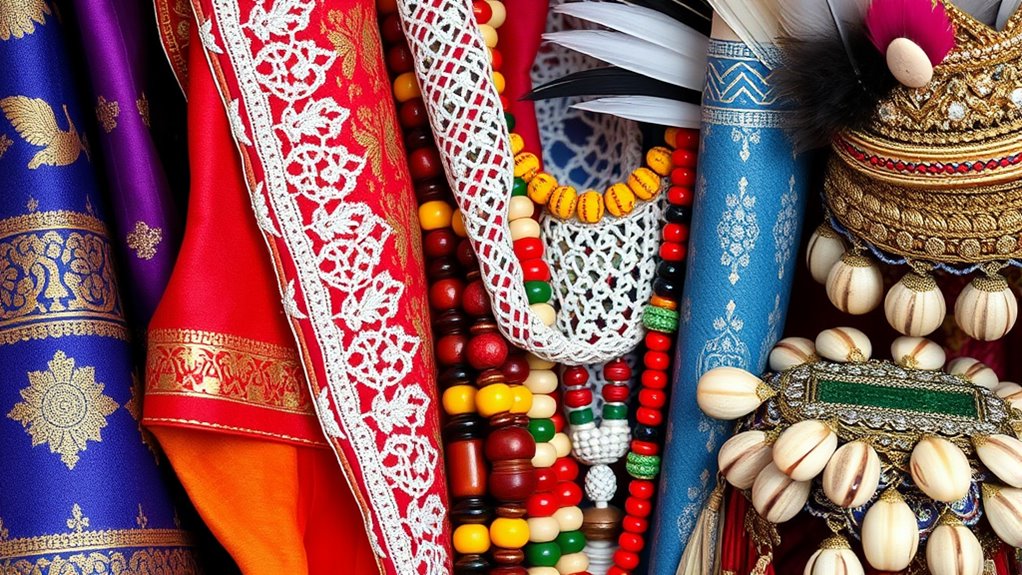

You might not realize that marriage traditions worldwide are filled with deep symbols, rituals, and customs rooted in history. From ancient rituals like gift exchanges and dances to unique attire and superstitions, each culture highlights its values and beliefs. These practices often served social, spiritual, or protective purposes, evolving over time into modern ceremonies. If you explore further, you’ll uncover how these traditions reflect cultural identity and how they continue to influence today’s unions.
Open a free Amazon Business account
Business pricing, bulk buying and tax-exempt orders.
As an affiliate, we earn on qualifying purchases.
Key Takeaways
- Many marriage customs originated as social alliances or fertility rituals rather than expressions of love.
- Traditional attire and gift-giving practices often symbolized wealth, status, and spiritual protection across cultures.
- Engagement and wedding rituals frequently include symbolic acts like jumping the broom or exchanging tokens to ensure prosperity.
- Myths and superstitions, such as wearing blue or avoiding bad luck objects, historically aimed to protect marriages from evil influences.
- Cultural messages embedded in marriage ceremonies reinforce social bonds, gender roles, and community identity throughout history.
traditional wedding attire for different cultures
As an affiliate, we earn on qualifying purchases.
As an affiliate, we earn on qualifying purchases.
Ancient Marriage Customs and Rituals
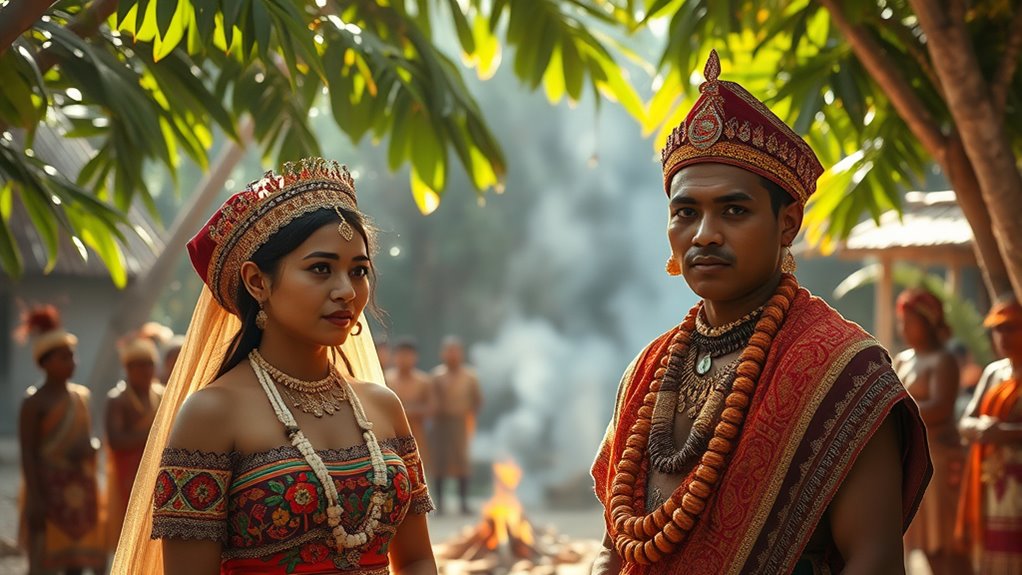
Ancient marriage customs and rituals reveal how different cultures celebrated the union of two people long before modern traditions took shape. During these times, courtship rituals played a crucial role, often involving elaborate ceremonies to demonstrate commitment and compatibility. You might have participated in rituals like gift exchanges or symbolic dances that signified the couple’s bond. Marriage symbolism was deeply embedded in these traditions, representing fertility, prosperity, or divine blessing. For example, some cultures used specific colors, objects, or rituals to signify unity and future harmony. These customs weren’t just celebrations—they carried profound meaning, reinforcing social bonds and cultural values. The significance of Marriage symbolism was often reflected in clothing, decorations, and ceremonial acts that conveyed specific cultural messages. By understanding these ancient practices, you see how marriage was more than a union; it was an essential part of cultural identity and spiritual life.
As an affiliate, we earn on qualifying purchases.
Unconventional Wedding Attire From Different Cultures
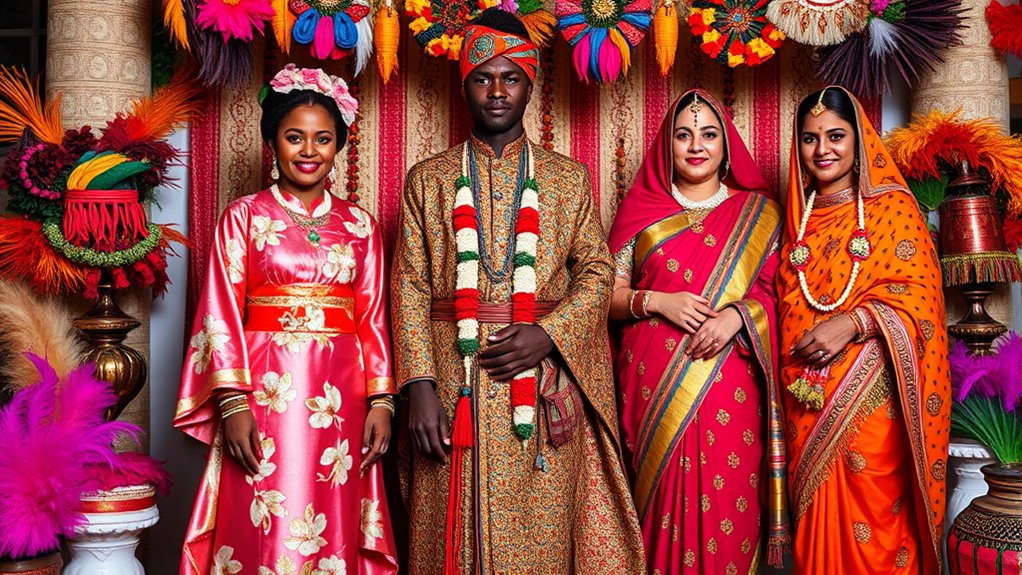
Many cultures feature vibrant garments and accessories that make wedding attire truly unique. You’ll see symbolic jewelry and traditional outfits that tell a story or represent cultural values. These unconventional choices highlight how wedding fashion can reflect identity and heritage in fascinating ways. For example, some Indonesian traditions incorporate cultural significance into their wedding costumes, emphasizing the deep-rooted history and artistry behind each piece.
Vibrant Cultural Garments
Across cultures, wedding attire often reflects vibrant traditions and bold expressions of identity. You’ll notice how traditional textiles play a vital role in creating striking ceremonial costumes. These garments showcase intricate patterns, bright colors, and unique craftsmanship passed down through generations. For example, in India, brides wear richly embroidered sarees or lehengas made from luxurious fabrics, while in Africa, Maasai warriors don shúkà robes with beaded jewelry. In Japan, brides wear colorful kimonos adorned with elaborate designs, and in Peru, wedding outfits feature vibrant textiles woven with symbolic motifs. These garments are more than just clothing; they embody cultural stories, history, and community pride. By wearing such vibrant cultural garments, you celebrate your heritage and make your wedding a vivid reflection of your identity. Additionally, the textile craftsmanship involved in creating these outfits often incorporates traditional techniques that have been preserved for generations.
Symbolic Wedding Accessories
Unconventional wedding accessories often carry deep symbolic meaning, transforming simple adornments into powerful cultural statements. Bridal jewelry, such as intricate necklaces, rings, or headpieces, can symbolize wealth, status, or spiritual protection. In some cultures, specific charms or pendants are believed to ward off evil or bring good fortune. Wedding tattoos, another significant accessory, serve as permanent symbols of love, commitment, or cultural identity. These body art forms often depict meaningful symbols or patterns unique to each tradition, reflecting personal or communal stories. By wearing these accessories, you’re not just enhancing your appearance—you’re embodying a rich history and cultural values that have been passed down through generations. Such symbols deepen the significance of the wedding, connecting you to your heritage in a profound way.
Unique Bridal Attire Traditions
Unique bridal attire traditions showcase how cultures express identity and values through clothing choices that break away from Western wedding norms. Instead of typical white gowns and Western wedding cakes, many cultures feature distinctive garments and accessories. For example, some brides wear vibrant, embroidered dresses with elaborate bridal jewelry, symbolizing prosperity and protection. In India, brides don richly decorated saris paired with intricate jewelry that signifies status and heritage. In parts of Africa, brides wear bold, colorful fabrics and adorn themselves with unique ornaments. These traditions reflect cultural stories and beliefs, emphasizing individuality over uniformity. Such attire challenges Western standards, highlighting that wedding clothing can be a powerful statement of cultural pride and personal identity. Additionally, in some cultures, the traditional wedding attire is believed to bring good luck and ward off evil spirits, further embedding cultural values into the clothing choices.
vibrant wedding textiles and fabrics
As an affiliate, we earn on qualifying purchases.
As an affiliate, we earn on qualifying purchases.
Rituals of Courtship and Engagement Across Continents
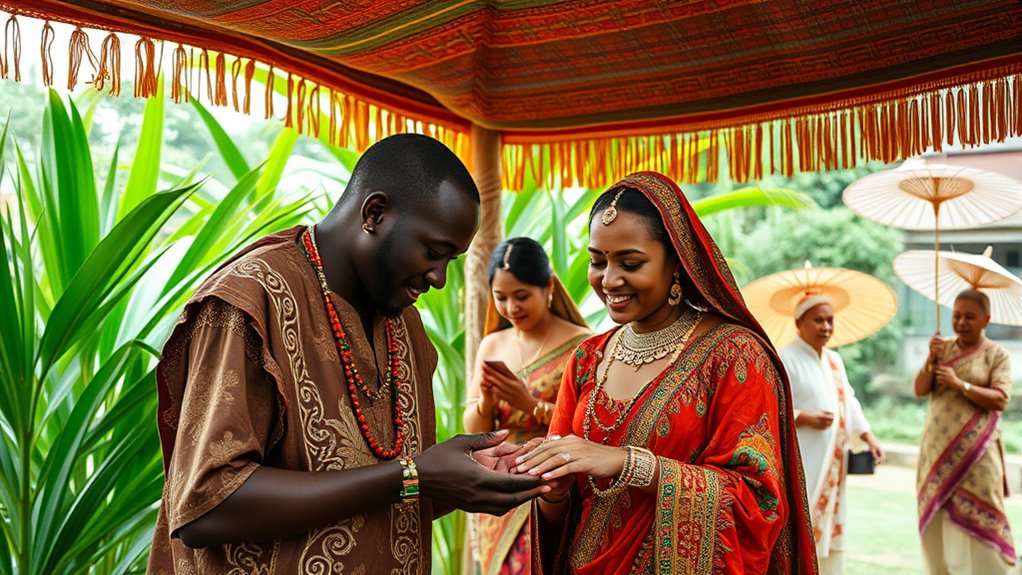
Across different continents, couples follow unique courtship practices that reflect their cultural values and traditions. Engagement rituals can range from elaborate ceremonies to simple gestures, each holding special significance. Exploring these customs reveals how love and commitment are celebrated worldwide in diverse and meaningful ways. In some cultures, the design and setting of the engagement celebration are carefully chosen to mirror regional decorative styles and symbolism, adding depth to the traditions.
Traditional Courtship Practices
Traditional courtship practices vary widely around the world, reflecting each culture’s values and social norms. You’ll find diverse courtship rituals and dating customs that shape how partners meet and connect. In some societies, elders or community leaders play a key role, guiding or even arranging meetings, while others emphasize personal choice and direct communication. In Japan, for example, omiai involves formal matchmaking, whereas in Western countries, dating customs often focus on casual outings and shared interests. Some cultures celebrate courtship with elaborate rituals, like gift exchanges or public displays of affection, while others keep interactions private. Additionally, the influence of outdoor living and design on social gatherings can shape the settings in which courtship takes place. No matter the tradition, these practices reveal how societies express love, commitment, and societal expectations, highlighting the rich diversity in how humans seek companionship worldwide.
Unique Engagement Rituals
Many cultures have developed distinctive engagement rituals that mark the progression from courtship to marriage, reflecting their values and social priorities. In some societies, a cultural dance plays a central role, where couples participate in traditional performances that symbolize unity and harmony. These dances often serve as public declarations of intent and commitment. Culinary traditions also feature prominently; sharing special foods or participating in unique food rituals signifies trust and mutual respect. For example, offering specific dishes during engagement ceremonies can symbolize prosperity or fertility. These rituals not only celebrate love but also reinforce cultural identity. Interestingly, some traditions incorporate astrological beliefs to select auspicious dates or times for the engagement, emphasizing the influence of celestial factors on important life events. By engaging in these meaningful customs, you become part of a larger community that values tradition, social cohesion, and the sacred bond of commitment.
As an affiliate, we earn on qualifying purchases.
Unique Marriage Ceremonies and Their Symbolism
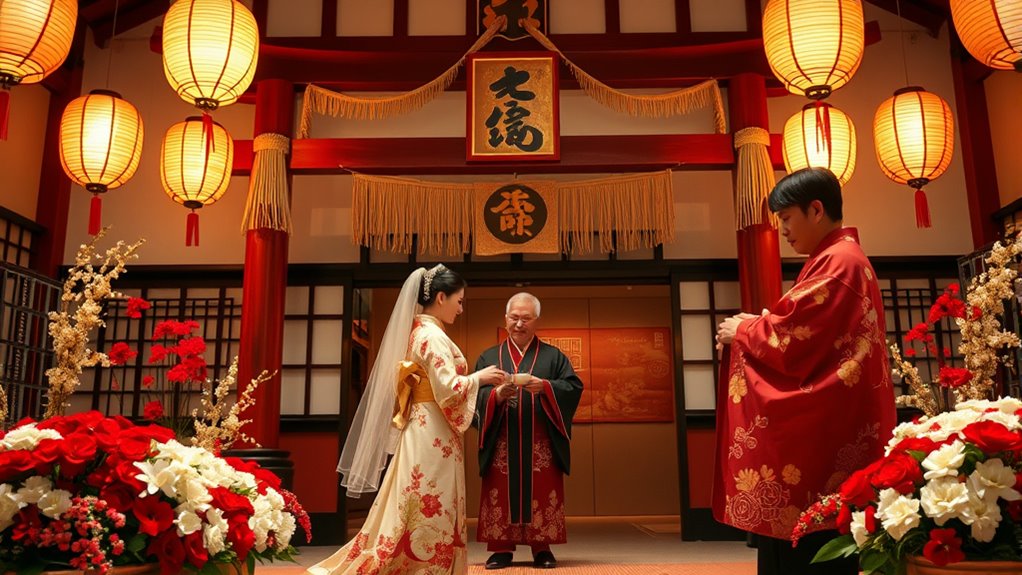
Unique marriage ceremonies often incorporate symbolic rituals that reflect a culture’s values and beliefs. For example, some cultures include a unity candle or sand ceremony to symbolize unity and blending families. Others may involve specific dances or offerings to deities, emphasizing spiritual significance. In many traditions, obtaining a legal marriage license marks the official commitment, but ceremonies often carry deeper meanings beyond legalities. You might participate in rituals like jumping the broom or exchanging symbolic gifts that represent prosperity and fertility. These ceremonies are designed to strengthen bonds and honor cultural heritage. Additionally, electric power generation with bike generators has been explored as a sustainable way to provide energy during outdoor ceremonies or gatherings. If you’re considering marriage counseling, it shows a commitment to building a strong foundation. Ultimately, each unique ceremony underscores the importance of community, tradition, and shared values in celebrating your union.
Traditional Gift-Giving Practices and Their Meanings

Gift-giving during marriage ceremonies goes beyond just exchanging presents; it’s a meaningful way to convey blessings, good fortune, and cultural values. Historically, medieval courtship involved giving tokens like rings or jewelry to symbolize commitment and affection. During wedding feast traditions, gifts like silverware or textiles represented prosperity and stability. These presents often carry specific meanings, such as wealth or fertility, depending on the culture. Incorporating sustainable practices in gift choices reflects modern values and respect for traditions.
Marriage Laws and Social Expectations Through History
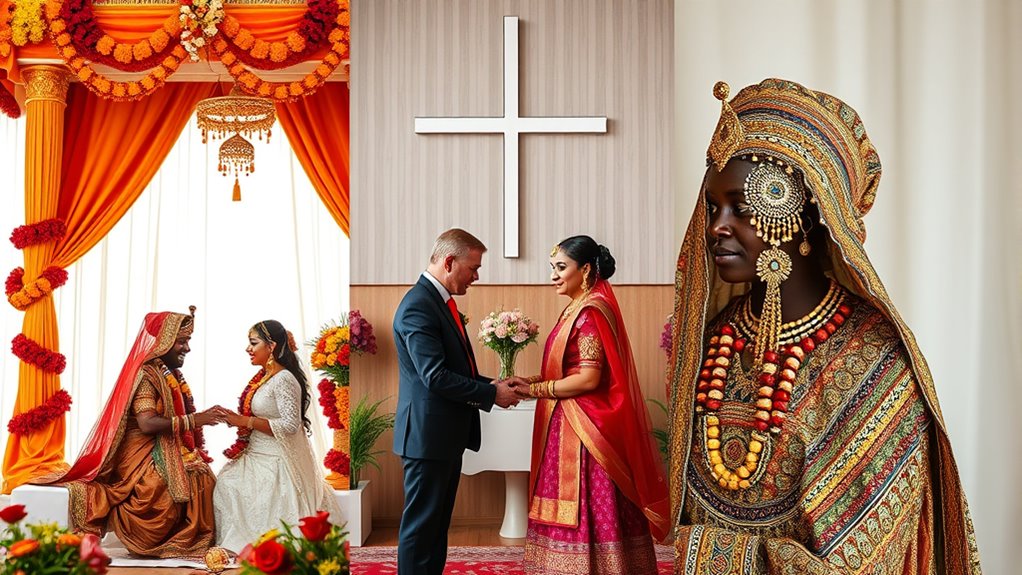
Throughout history, marriage laws and social expectations have shaped how societies define and regulate unions, reflecting cultural values and power structures. You’ve likely noticed that marriage age has varied greatly, often dictated by gender, class, or status, emphasizing societal control over individual choice. Divorce laws also reveal changing attitudes—some cultures once banned it entirely, while others gradually eased restrictions, signaling shifting views on personal freedom and gender roles. In many societies, marriage was less about love and more about alliances, inheritances, or social stability. Over time, legal reforms aimed to balance tradition with individual rights, but strict marriage ages and divorce laws often reinforced societal hierarchies. These regulations reveal much about the priorities and power dynamics of different eras and cultures. Additionally, marriage laws have historically been used to reinforce gender roles and social hierarchies, often limiting personal autonomy.
Celebratory Practices and Post-Wedding Customs
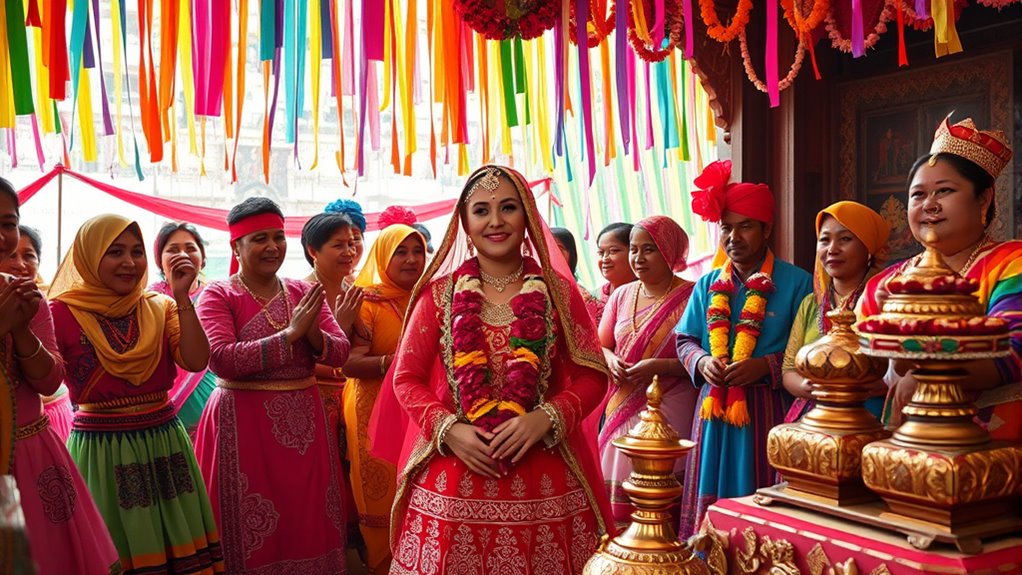
Celebratory practices and post-wedding customs vary widely across cultures, often reflecting deep-rooted traditions and social values. You might attend lively fruit festivals celebrating harvests or see couples perform traditional wedding dance styles that symbolize unity and joy. These customs create lasting memories and reinforce community bonds. For example, some cultures incorporate specific wedding dances to honor ancestors, while others host vibrant festivals with abundant fruit offerings.
| Culture | Post-Wedding Practice | Significance |
|---|---|---|
| Latin America | Fruit festivals | Prosperity and fertility |
| India | Folk dance performances | Joy and community bonding |
| Africa | Rituals involving dance and offerings | Spiritual protection |
| Southeast Asia | Traditional wedding dances | Cultural identity and celebration |
Myths and Superstitions Surrounding Marriage
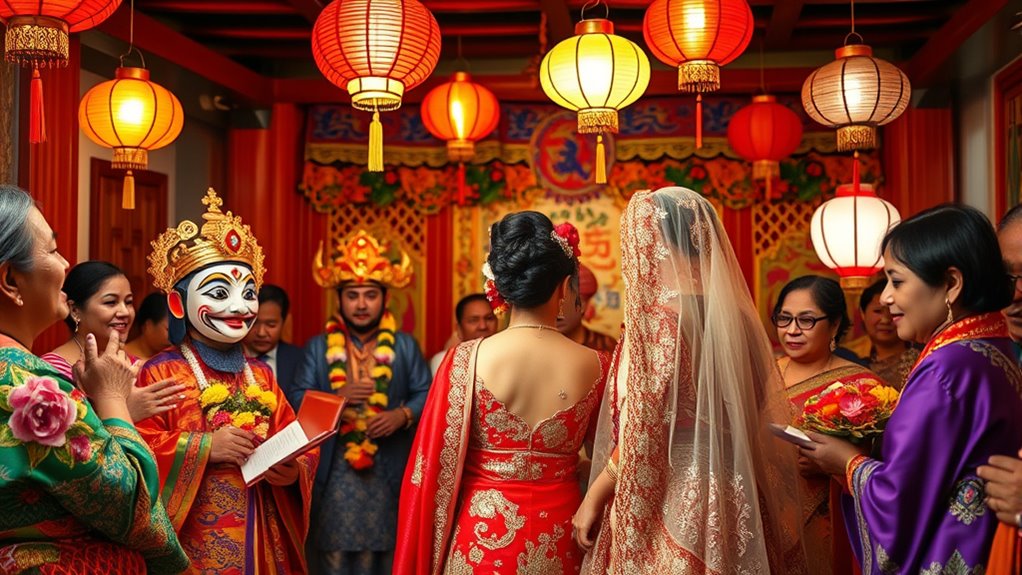
Myths and superstitions have long shaped how societies view marriage, often influencing rituals and behaviors that couples and families believe can affect the couple’s future. Marriage myths, like the idea that a bride must wear something old, new, borrowed, and blue, are thought to bring good luck. Superstitions beliefs, such as avoiding black cats or breaking mirrors before the wedding, are believed to ward off bad luck or evil spirits. Many cultures hold that certain actions or objects can influence a couple’s happiness or prosperity, making these superstitions deeply ingrained. You might find that some rituals seem odd but are rooted in the desire for a harmonious union. These myths and superstitions reflect centuries of cultural hopes and fears about the sanctity and success of marriage.
How Modern Traditions Evolve From Ancient Roots
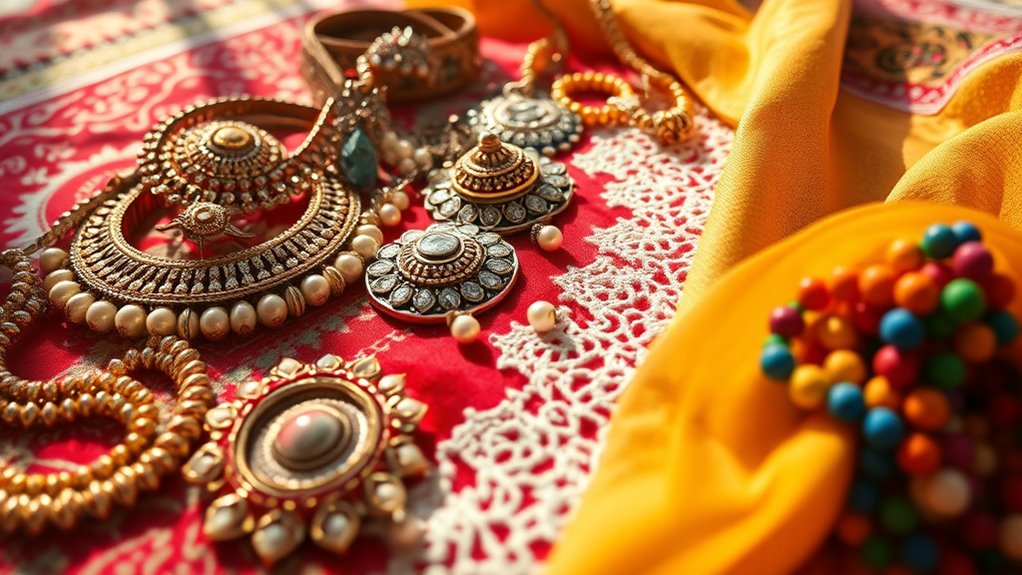
Many modern wedding customs have roots that stretch back to ancient traditions, even if they look different now. For example, the exchange of rings symbolizes eternity, originating from ancient Egypt and Rome’s beliefs about unbroken circles representing eternal love. Today’s focus on legal marriage reflects centuries of evolving laws that formalized commitments and protected property rights. Marriage psychology also plays a role, as traditions like bridal attire or ceremonies help couples build emotional bonds and societal approval. Over time, these rituals adapted to cultural shifts and legal standards, blending symbolism with practical concerns. As you participate in modern ceremonies, remember they’re built on centuries of evolving customs designed to reinforce commitment, societal stability, and personal meaning — all rooted in ancient practices but reshaped for today’s world.
Frequently Asked Questions
How Did Marriage Rituals Originate in Ancient Civilizations?
You might wonder how marriage rituals began in ancient civilizations. Ancient ritual origins often stem from cultural symbolism, where ceremonies represented unity, fertility, or social bonds. These rituals served to legitimize alliances and ensure community stability. By participating in these symbolic acts, you connect with traditions that reflect the values and beliefs of early societies, revealing how deeply rooted and meaningful marriage customs are across cultures.
Are There Cultures With No Formal Marriage Ceremonies?
You’ll find that many cultures have no formal marriage ceremonies, relying instead on informal unions. Cultural variations influence how communities recognize unions, with some emphasizing social or economic bonds over formal rituals. In these societies, commitment might be shown through shared responsibilities or mutual agreements rather than traditional ceremonies. This approach highlights the diversity of relationship practices worldwide and challenges the idea that a formal event is necessary for a union to be valid.
What Are the Gender Roles Traditionally Associated With Marriage Worldwide?
You might wonder about marriage gender roles, which vary widely worldwide. Typically, cultural expectations assign men the roles of providers and protectors, while women are seen as caregivers and homemakers. These roles often shape daily life and social status, but they’re evolving with changing attitudes. Understanding these differences helps you appreciate how marriage reflects broader cultural norms and gender dynamics across societies.
How Do Modern Laws Influence Traditional Marriage Customs?
Imagine you’re planning a wedding today, but legal reforms now promote gender equality, challenging traditional customs. Modern laws influence marriage by embracing societal shifts, like recognizing same-sex unions or abolishing gender-specific roles. These legal changes often reshape customs, making them more inclusive and reflective of contemporary values. You see how legislation directly impacts traditions, encouraging societies to evolve while honoring their cultural roots.
Which Marriage Traditions Are at Risk of Disappearing?
You might notice that some marriage traditions face cultural erosion as modern influences grow. Ceremonial preservation becomes harder when younger generations adopt new customs, risking the disappearance of age-old practices like dowries or rites of passage. You can help by valuing and sharing these traditions, ensuring they’re passed down. Without effort, these meaningful customs could fade, losing their cultural significance and enriching history.
Conclusion
Did you know that over 80% of cultures worldwide have unique marriage customs dating back thousands of years? As you explore these traditions, you’ll see how ancient rituals still influence modern weddings today. From symbolic gift-giving to superstitions, each custom tells a story of love, community, and history. Embracing these diverse practices reveals how marriage remains a meaningful bond that bridges the past and present across cultures.
Flea & tick season Picks
flea and tick prevention
As an affiliate, we earn on qualifying purchases.