To improve your financial fitness, start by evaluating your current income, expenses, debts, and savings to understand your cash flow. Set clear, achievable financial goals and track every expense to identify areas for improvement. Create a realistic, flexible budget that prioritizes savings and emergency funds, then automate payments and savings to stay disciplined. Regularly review and adjust your plan, and leverage technology to stay on target. Keep learning and refining your approach for better results.
Key Takeaways
- Regularly review and adjust your budget to stay aligned with changing financial goals and circumstances.
- Track all expenses meticulously to identify overspending and optimize savings opportunities.
- Prioritize paying off high-interest debts to reduce financial stress and free up resources.
- Build an emergency fund covering 3-6 months of living expenses for financial security.
- Automate savings and bill payments to ensure consistent progress and reduce the risk of missed deadlines.

Pay The Fucking Bills | Yearly Budget Planner: Elegant Funny Marble Monthly Bill Organizer | To Help You Organize Expenses | Payments Checklist Weekly & Daily Budgeting Financial Planning Journal Notebook
As an affiliate, we earn on qualifying purchases.
As an affiliate, we earn on qualifying purchases.
Assess Your Current Financial Situation

Before you can plan for a secure financial future, you need to understand where you stand right now. Start by reviewing your income, expenses, debts, and savings. This snapshot helps you identify your cash flow and pinpoint areas where you can cut costs or increase savings. Knowing your current financial situation also opens up opportunities for exploring investment opportunities that suit your risk tolerance and goals. Don’t forget to take into account your tax planning—understanding deductions, credits, and tax-advantaged accounts can maximize your savings. Tracking your financial details regularly makes sure you stay on top of your progress and make informed decisions. This honest assessment forms the foundation for building a realistic, effective financial plan tailored specifically for you.
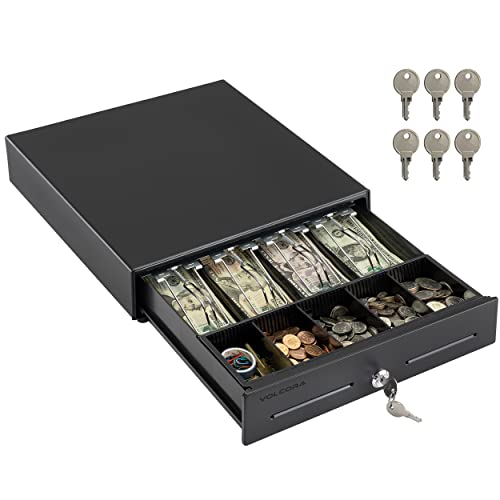
Volcora 13" Electronic Cash Register Drawer for Point of Sale (POS) System with 4 Bill 5 Coin Cash Tray, Removable Coin Compartment, 12-24V, RJ11/RJ12 Key-Lock, Black – for Small Businesses
- Durable Metal Frame: Heavy-duty construction for longevity
- 13×13.25×4 Inches: Compact size for small spaces
- 12-24V Power Supply: Flexible voltage compatibility
As an affiliate, we earn on qualifying purchases.
As an affiliate, we earn on qualifying purchases.
Set Clear and Achievable Financial Goals

To set effective financial goals, you need to identify your priorities clearly. Make sure your goals are realistic and break them down into manageable steps. Regularly tracking your progress keeps you motivated and helps you stay aligned with your financial ambitions. Incorporating a clear budget can further enhance your ability to monitor and achieve these objectives.
Financial Priorities Definition
Have you ever wondered how clear financial goals can transform your money management? Defining your financial priorities is essential for focused progress. It helps you distinguish between needs and wants, guiding your decisions on where to allocate funds. By understanding your priorities, you can explore suitable investment options that align with your goals. Improving your financial literacy enables you to evaluate these options wisely, ensuring you make informed choices. Setting realistic, achievable targets keeps you motivated and prevents overwhelm. Remember, your financial priorities should reflect your values and long-term aspirations, whether saving for a house, retirement, or building an emergency fund. Clear priorities create a roadmap, making your budgeting efforts purposeful and effective. Utilizing financial planning tools can further streamline your goal-setting process and keep you on track.
Tracking Progress Regularly
Once you’ve set your financial priorities, the next step is to track your progress regularly. This helps you stay motivated and identify areas where emotional spending might be sneaking in. Use a simple system to monitor your spending, savings, and debt reduction. Here’s a quick example:
| Goal | Progress | Next Steps |
|---|---|---|
| Save for emergency | Saved $500 of $1,000 | Cut back on dining out this month |
| Pay off credit card | Paid $200 this month | Avoid impulsive online shopping |
| Retirement fund | Contributed $300/month | Increase contributions gradually |
| Reduce entertainment | Spent $150 on entertainment | Find free activities to stay on track |
Tracking progress keeps you aware of your habits and helps prevent emotional spending from derailing your goals. Additionally, understanding the role of contrast ratio can help you choose better projectors for your home cinema setup, ensuring a quality viewing experience.

Pavilion Gift Company – Vacation Fund 6.5-inch Unique Ceramic Piggy Bank Savings Bank Money Jar with Cork Base and Cork Lid, Ombre Teal
- Size and Dimensions: 6.5-inch tall ceramic piggy bank
- Material and Base: Stoneware with cork base for surface protection
- Design and Finish: Ombre teal glaze with reactive dripped speckling
As an affiliate, we earn on qualifying purchases.
As an affiliate, we earn on qualifying purchases.
Track Every Expense to Understand Spending Habits

Tracking every expense might seem tedious at first, but it’s the most effective way to gain clear insight into your spending habits. By recording each purchase, you can identify which expense categories—like dining out, entertainment, or groceries—consume the most of your income. This detailed spending analysis helps you uncover patterns and areas where you might overspend. When you understand your habits, you’re better equipped to make informed decisions and prioritize your financial goals. Use tools like apps or spreadsheets to streamline this process, making it easier to maintain consistency. Over time, tracking every expense reveals opportunities to cut costs and allocate funds more effectively. Recognizing family influences and cultural heritage can also provide a broader understanding of personal values and spending patterns. It’s a simple but powerful step toward building a sustainable, healthy financial routine.

Monthly Budget Planner, 14-Month Undated Financial and Bill Organizer
- Financial Management Sections: Goals, savings, debts, expenses, reviews
- Full-Page Monthly Calendars: Track paydays, bills, appointments, dates
- Premium Quality Materials: 100gsm paper, durable cover, lay-flat binding
As an affiliate, we earn on qualifying purchases.
As an affiliate, we earn on qualifying purchases.
Create a Realistic and Flexible Budget Plan

Creating a realistic and flexible budget plan is essential for managing your finances effectively. It helps you stay on track while adapting to life’s changes. To build one, start by evaluating your income and expenses honestly, ensuring your plan is achievable. Incorporate investment strategies that align with your goals and allow room for growth. Prioritize retirement planning within your budget so you’re steadily building your future security. Keep in mind that flexibility is key—life can be unpredictable, so adjust your plan as needed. Consider these elements:
- Allocating funds for investments and retirement contributions
- Budgeting for unexpected expenses
- Setting realistic spending limits
- Revisiting and refining your plan regularly
- Regular audits can identify gaps in your budget and opportunities for improvement.
A well-crafted budget keeps you in control and supports both immediate needs and long-term goals.
Prioritize Saving and Emergency Funds

Prioritizing your savings and emergency funds is crucial because it provides a financial safety net that can protect you during unexpected events. Building this fund helps you stay afloat without derailing your investment strategies or tax planning efforts. Aim to save at least three to six months’ worth of expenses, stored in an accessible account. Visualize this as a safety cushion, like the following:
| Emergency Fund | Investment Strategies |
|---|---|
| Liquid & accessible | Growth-oriented |
| Covers unexpected bills | Balances risk & reward |
| Prevents debt | Enhances financial stability |
| Tax-efficient savings | Supports long-term goals |
| Peace of mind | Financial resilience |
Prioritizing these savings ensures you’re prepared for life’s surprises while optimizing your financial growth. Ensuring your emergency fund remains fresh and unspoiled is vital for maintaining its effectiveness.
Reduce and Manage Debt Effectively

To manage your debt effectively, start by focusing on paying off high-interest debts first, as they cost you the most over time. Next, create a clear repayment strategy that fits your budget and keeps you motivated. With a solid plan, you’ll reduce your debt faster and regain control of your finances. Additionally, understanding RMDs and how they impact retirement withdrawals can help you plan your finances more effectively to avoid unexpected costs.
Prioritize High-Interest Debts
Have you ever wondered which debts to tackle first to save money and reduce stress? Prioritizing high-interest debts is key. These debts cost you the most over time, so paying them off quickly makes sense. Start by comparing interest rates to identify the most expensive debt. Consider options like debt consolidation to lower your interest rate and simplify payments. Focus on these high-interest debts first while maintaining minimum payments on others. Visualize your debt landscape:
- High-interest credit cards
- Payday loans with sky-high rates
- Unsecured personal loans
- Overdue medical bills with high fees
Targeting these debts first reduces the total interest you pay and accelerates your path to financial freedom. Remember, tackling the highest rates first is a smart move to manage your debt effectively. Incorporating debt management strategies can further streamline your repayment plan.
Develop a Repayment Strategy
Creating an effective repayment strategy is essential for reducing and managing your debt successfully. Start by evaluating your total debt and setting a realistic repayment timeline. Consider debt consolidation options to simplify payments and potentially lower interest rates, making it easier to stay on track. Prioritize paying off high-interest debts first, but also allocate funds for smaller balances to build momentum. Establish automatic payments whenever possible to avoid missed deadlines. Keep a close eye on your repayment timeline, adjusting as needed if your financial situation changes. Staying disciplined and organized helps you avoid accumulating more debt and accelerates your journey toward financial freedom. With a clear plan in place, you’ll feel more in control and motivated to reach your debt reduction goals.
Automate Payments and Savings for Discipline

Automating your payments and savings guarantees you stick to your financial goals without relying on willpower alone. By setting up automatic transfers and recurring payments, you ensure your money is allocated consistently. This removes the temptation to delay or forget essential financial tasks. Imagine your paycheck automatically funneling into your savings account each month, or your bills paid without manual intervention. Incorporating financial tools can further streamline this process and provide real-time tracking of your progress.
- Automatic transfers to savings accounts right after payday
- Recurring payments for utilities, subscriptions, and loan repayments
- Scheduled transfers to investment accounts to grow wealth
- Alerts or confirmations to track successful transactions
These habits make disciplined money management effortless, helping you build a financial cushion and avoid late fees. Automation transforms good intentions into consistent actions, making your financial fitness attainable.
Review and Adjust Your Budget Regularly

Once you’ve set up automatic payments and savings, it’s important to regularly review and modify your budget to stay on track. Life changes—like a new job, increased expenses, or a shift in your financial goals—demand updates to your plan. During these reviews, focus on your investment planning to ensure your savings align with your long-term goals. Check your insurance coverage to verify it still meets your needs; gaps can leave you vulnerable. Adjust your budget to accommodate new priorities or expenses, and refine your allocations as necessary. Regular reviews help you catch overspending and identify opportunities to optimize your finances. Staying proactive keeps your financial plan resilient, ensuring you’re prepared for both opportunities and unexpected setbacks. Additionally, consider incorporating Vetted electric bike conversion kits into your transportation options to potentially reduce commuting costs and support sustainable living.
Use Technology and Apps to Stay on Track

Technology and apps can be powerful tools to help you stay on top of your financial goals. They simplify tracking your spending, automate savings, and provide insights into your financial health. With the right apps, you can set reminders for investment strategies and monitor your progress toward retirement planning. These tools often include features like budget analysis, goal setting, and performance alerts, making it easier to adjust your plan as needed. Imagine a dashboard that consolidates all your accounts, giving you a clear picture of your financial situation at a glance. Some popular options even offer personalized advice, helping you make smarter decisions. Using technology keeps you accountable and motivated, ensuring you stay focused on building a secure financial future.
Stay Committed and Keep Learning About Personal Finance

Staying committed to your financial goals requires ongoing effort and a willingness to learn. Regularly update your knowledge on investment strategies to maximize growth and adapt to market changes. Keep educating yourself about different assets, risk management, and diversification to make smarter decisions. Additionally, focus on retirement planning now; the earlier you start, the more your money can grow through compound interest. Staying engaged with personal finance helps you avoid pitfalls like impulsive spending or neglecting savings. Read books, follow trusted finance sources, or consult with professionals to stay informed. Remember, financial fitness isn’t a one-time achievement — it’s a continuous journey that demands discipline and curiosity. Keep learning, stay committed, and watch your financial future strengthen.
Frequently Asked Questions
How Can I Balance Saving With Enjoying My Income?
You can balance saving with enjoying your income by setting clear goals and creating a budget. Prioritize building an emergency fund for unforeseen expenses, then explore solid investment strategies to grow your wealth. Allocate a comfortable portion of your income for fun and experiences, while consistently saving a percentage. This approach guarantees you enjoy life now without sacrificing your financial future, maintaining a healthy balance between spending and saving.
What Are the Best Tools for Tracking Expenses Automatically?
You should consider using automation apps like Mint, YNAB, or Personal Capital to track expenses automatically. These tools link to your bank accounts and credit cards, categorizing your expenses into different categories. This way, you get real-time updates on your spending in expense categories, making it easier to stay on top of your budget without manual input. Automation apps simplify expense tracking and help you make smarter financial decisions.
How Do I Stay Motivated to Stick to My Budget Long-Term?
Staying motivated is like tending a garden—you must nurture it daily. To keep your budget on track long-term, try motivational strategies like setting small, achievable goals and celebrating wins. Find accountability partners who support your journey; they’ll help you stay focused and honest. Reminding yourself of your financial goals and visualizing your progress can reignite your commitment, turning budgeting from a chore into a rewarding habit.
When Should I Seek Professional Financial Advice?
You should seek professional financial advice when you’re unsure about your retirement planning or debt management strategies. If you’re facing complex financial decisions or planning for significant life events, a financial advisor can help you create a tailored budget and investment plan. Don’t wait until issues escalate—getting expert guidance early can guarantee you stay on track, make informed choices, and build a secure financial future.
How Can I Avoid Common Budgeting Mistakes?
Think of your budget as a ship maneuvering through choppy waters—you want to steer clear of financial pitfalls. To avoid common mistakes, track your expenses diligently and set realistic limits. Watch out for overspending habits that can sink your finances. Automate savings and review your budget regularly to stay on course. By staying vigilant and disciplined, you’ll steer clear of costly errors and keep your financial journey smooth and steady.
Conclusion
Your financial journey is like tending a garden—you must nurture it consistently. With each careful step, from tracking expenses to adjusting your budget, you’re planting seeds for a secure future. Stay committed, and watch your efforts blossom into financial stability. Remember, the key is persistence and adaptation; your money is the soil—treat it well, and you’ll reap a harvest of peace and prosperity. Keep growing your financial fitness every day.