
Men face higher suicide rates because they often experience social stigma, mental health challenges, and societal expectations that discourage help-seeking. Cultural norms promote toughness and self-reliance, which makes admitting struggles and seeking support difficult. This silence can lead to worsening mental health and increased risk of suicide. Understanding these risk factors can help you identify signs and find ways to support those who may be suffering—continue to learn more about how these issues can be addressed.
Key Takeaways
- Men have higher suicide rates globally, often linked to untreated mental health conditions like depression and substance abuse.
- Societal norms stress masculinity and emotional stoicism, discouraging men from seeking help or expressing vulnerability.
- Mental health stigma and fear of judgment hinder men from accessing necessary mental health resources.
- Barriers such as shame, perceived weakness, and cultural expectations increase the risk of silent suffering and suicidal behaviors.
- Promoting open discussions, normalizing help-seeking, and challenging gender stereotypes can reduce male suicide risk factors.

Suicide rates among men remain alarmingly high, making it a crucial public health issue that demands understanding and action. One of the key barriers you need to recognize is mental health stigma. Many men feel ashamed or weak when admitting they’re struggling emotionally or mentally. This stigma discourages them from seeking help, creating a dangerous cycle where feelings of isolation grow stronger, and the chances of suicidal thoughts increase. Society often expects men to be strong, self-reliant, and in control, which can make it difficult for them to openly discuss mental health issues. As a result, help seeking behavior is often suppressed, leaving men to cope alone with overwhelming emotions. When mental health stigma is ingrained in cultural norms, men might avoid reaching out for professional support, fearing judgment or perceived failure.
This reluctance to seek help isn’t because men are less distressed; it’s often because they don’t know how or feel they shouldn’t show vulnerability. The fear of being labeled weak or unmanly keeps many from accessing mental health resources. Consequently, untreated mental health conditions like depression, anxiety, or substance abuse become more severe and increase the risk of suicide. You might not realize how common these feelings are, or how much they affect your ability to function daily. Many men believe that enduring pain silently is a sign of strength, but in reality, it can be dangerous. The societal expectation to be stoic prevents many from acknowledging their struggles, which is why mental health awareness campaigns highlight the importance of normalizing help seeking behavior among men. Recognizing the importance of emotional expression can be a vital step toward reducing stigma and encouraging support.
Addressing this issue requires changing perceptions around masculinity and mental health. Encouraging open conversations, promoting mental health resources, and reducing stigma can make a significant difference. If you or someone you know is experiencing emotional distress, understanding that seeking help is a courageous step—not a sign of weakness—is essential. You should recognize that mental health struggles are common and treatable. Support from friends, family, or mental health professionals can be life-saving. Breaking down the stigma linked to mental health and fostering help seeking behavior can empower men to get the support they need before reaching a crisis point. Ultimately, it’s about creating a culture where vulnerability is accepted and seeking help is viewed as a sign of strength, not weakness.

Men Under Pressure: A Man’s Guide to Reclaiming Mental Health
As an affiliate, we earn on qualifying purchases.
As an affiliate, we earn on qualifying purchases.
Frequently Asked Questions
How Do Cultural Norms Influence Male Suicide Rates?
Cultural norms heavily influence male suicide rates by reinforcing masculinity norms that emphasize strength and emotional suppression. You might feel pressured to hide vulnerabilities, avoiding seeking help or expressing feelings. This emotional suppression can lead to loneliness and unresolved struggles. When societal expectations discourage emotional openness, it becomes harder for men to access support, increasing the risk of suicide. Challenging these norms can help reduce stigma and promote healthier coping strategies.
What Role Does Access to Mental Health Services Play?
Access to mental health services can be a game-changer in preventing male suicides. When you have readily available mental health access and service availability, you’re more likely to seek help early, reducing feelings of isolation. Without these resources, men often feel like they’re fighting a losing battle alone. Improving access guarantees support is within reach, giving you the tools needed to manage mental health struggles before they become overwhelming.
Are There Age Groups More at Risk for Male Suicide?
You should know that adolescent males are at higher risk for male suicide due to age-specific risks like peer pressure and identity struggles. Young males often face challenges in expressing emotions and seeking help, increasing their vulnerability. As you consider different age groups, it’s clear that adolescence and older age, especially middle-aged men, also face significant risks. Recognizing these age-specific risks helps target prevention efforts effectively.
How Do Economic Factors Impact Male Suicidal Behavior?
Economic hardship and financial stress can critically increase your risk of male suicidal behavior. When money problems mount, you may feel overwhelmed, hopeless, or isolated, making it harder to cope. The stark contrast between financial stability and hardship highlights how economic struggles can erode mental well-being. Recognizing this connection helps you understand that addressing financial stress early can be vital in preventing thoughts of suicide and seeking support.
What Are Effective Prevention Strategies Tailored for Men?
You can implement gender-sensitive approaches that recognize men’s unique experiences and challenges, making support more accessible. Encouraging peer support programs allows men to share feelings in a safe space, reducing stigma. Promoting mental health awareness through targeted campaigns and training professionals to understand male-specific risks helps prevent suicide. By focusing on these strategies, you create a supportive environment that empowers men to seek help when needed.

Coping Skills Cards for Anxiety & Stress Relief – Mindfulness, Meditation & Self-Care Tools for Trauma, BPD, DID, PTSD | Mental Health Therapy Gift for Adults & Teens
Helps Manage Emotional Distress and Crisis: Specifically designed to alleviate panic attacks, flashbacks, trauma recollections, anxiety, stress, dissociation,…
As an affiliate, we earn on qualifying purchases.
As an affiliate, we earn on qualifying purchases.
Conclusion
You might think men are tough enough to handle anything, but the reality is they often hide their struggles behind silence. Ironically, their perceived strength can become their greatest vulnerability. Understanding the risk factors is your first step—yet, if that knowledge doesn’t lead to action, it’s like knowing a storm’s coming but refusing to seek shelter. So, don’t wait for tragedy; break the silence and help save lives before it’s too late.
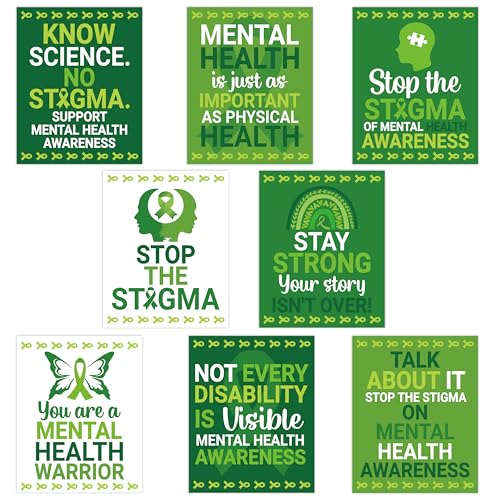
CPicdn 8Pcs Mental Health Posters, Unframed Mental Health Awareness Poster 8×10 Inch Wall Art Prints Decor Positive Quotes Green Ribbon Decorations for Classroom School Therapy Counseling Office
Mental Health Poster: This 8-piece mental health poster set features 8 unique styles, each showcasing vibrant positive quotes…
As an affiliate, we earn on qualifying purchases.
As an affiliate, we earn on qualifying purchases.

Craftique My Mental Breakdown Blanket, Anxiety Relief Items, Emotional Healing Support Blanket, Mental Health Awareness/Gifts for Women Men, Therapy/Counseling Office Must Haves/Decoration, Therapist
【Anxiety Relief Items】- Present this inspirational affirmations blanket to your important someone and brighten her/his day! This blanket…
As an affiliate, we earn on qualifying purchases.
As an affiliate, we earn on qualifying purchases.