To bounce back faster after disappointment, practice mindfulness to stay present and observe your feelings without judgment. Use emotional regulation techniques to manage your reactions and avoid dwelling on setbacks. Reach out to friends or family for support, which can offer comfort and perspective. Combining internal strategies like mindfulness with external support helps build resilience and speeds recovery. Keep exploring these approaches, and you’ll discover ways to turn setbacks into growth opportunities more effectively.
Key Takeaways
- Practicing mindfulness techniques to stay present and reduce rumination on negative thoughts.
- Engaging in emotional regulation strategies to manage feelings effectively.
- Seeking social support for reassurance, understanding, and emotional encouragement.
- Utilizing internal and external resources to build resilience and perspective.
- Viewing setbacks as growth opportunities to foster a positive, growth-oriented mindset.

Have you ever wondered why some people recover quickly from disappointment while others seem stuck in frustration? The difference often lies in how they handle their emotions and the strategies they use to process setbacks. One powerful approach is practicing mindfulness techniques. When you actively engage in mindfulness, you become more aware of your thoughts and feelings without judging them. This awareness helps you acknowledge disappointment as a temporary state rather than a defining moment. Instead of dwelling on what went wrong, mindfulness encourages you to stay present, observe your emotions, and let them pass naturally. This practice reduces the tendency to ruminate, which can prolong feelings of frustration and hinder recovery. By regularly incorporating mindfulness techniques such as deep breathing, meditation, or body scans, you develop a mental resilience that allows you to bounce back more swiftly from setbacks. Additionally, understanding the importance of emotional regulation can further enhance your ability to manage disappointment effectively, especially since contrast ratio impacts how clearly you perceive and process your emotional experiences. Developing skills in emotion management techniques can also support your journey toward faster recovery. A new understanding of natural coping mechanisms can help you identify what strategies resonate most with your personal style of handling setbacks. Recognizing emotional awareness as a foundational element can deepen your capacity to navigate disappointment with greater ease.
Another vital factor is social support. When you reach out to friends, family, or even colleagues, you tap into a network of understanding and encouragement. Sharing your feelings with someone who listens empathetically can lighten your emotional load and provide new perspectives on the situation. Social support acts as an emotional buffer, helping you feel less isolated in your disappointment. It also boosts your motivation to move forward, knowing you’re not alone in facing challenges. Being around supportive people can remind you of your strengths, reaffirm your worth, and inspire a more positive outlook. Furthermore, social interactions often distract you from negative thoughts, giving your mind a break from dwelling on what went wrong. When combined with mindfulness, social support creates a powerful synergy. Mindfulness helps you process your emotions internally, while social support offers external reassurance and perspective.
Ultimately, bouncing back faster from disappointment involves cultivating both internal and external resources. Mindfulness techniques help you manage your emotional responses and reduce rumination, enabling quicker emotional recovery. Social support provides the encouragement, understanding, and perspective needed to regain confidence and motivation. By integrating these strategies into your routine, you develop a resilient mindset that views setbacks as opportunities for growth rather than insurmountable obstacles. Embracing both mindfulness and social support doesn’t eliminate disappointment but equips you with the tools to move through it more effectively, helping you recover with greater speed and grace.

Retrospec Sedona Meditation Cushion, Buckwheat Pillow, Meditation Pillow
NATURAL COMFORT & SUPPORT: Filled with sustainable buckwheat hulls, this meditation cushion elevates your practice by aligning your…
As an affiliate, we earn on qualifying purchases.
As an affiliate, we earn on qualifying purchases.
Frequently Asked Questions
How Long Does It Typically Take to Recover From Disappointment?
Recovery time from disappointment varies, but it often takes a few days to a week. Your coping strategies and emotional intelligence play essential roles in how quickly you bounce back. By allowing yourself to process feelings, practicing mindfulness, and reframing thoughts, you can speed up recovery. Remember, patience is key—you’ll gradually regain perspective and motivation, strengthening your resilience for future challenges.
Can Certain Personality Traits Influence Resilience After Setbacks?
Your personality resilience and emotional adaptability considerably influence how quickly you recover from setbacks. If you’re naturally optimistic and flexible, you’ll likely bounce back faster because you can adapt your mindset and strategies. Traits like openness and perseverance boost resilience, helping you view disappointments as opportunities for growth. By cultivating emotional adaptability, you learn to manage your reactions better, making it easier to recover and move forward with confidence.
Are There Specific Habits That Accelerate Emotional Recovery?
You can accelerate emotional recovery by adopting habits like mindfulness practices and gratitude journaling. Mindfulness helps you stay present, reducing negative rumination, while gratitude journaling shifts your focus to positive aspects of life. Together, these habits build resilience, allowing you to process disappointment more quickly. Incorporate them into your daily routine, and you’ll notice a faster bounce-back, strengthening your ability to handle setbacks with greater ease and emotional stability.
How Does Social Support Impact the Bounce-Back Process?
Think of social support as a safety net that catches you when you fall. It boosts your community resilience and provides emotional validation, making it easier to recover. When you share your feelings with trusted friends or family, you gain perspective and reassurance. This connection speeds up your bounce-back process, transforming disappointment into a shared experience that strengthens your emotional strength and helps you stand taller afterward.
Is It Possible to Prevent Disappointment From Affecting Mental Health?
Yes, you can reduce disappointment’s impact on your mental health by practicing mindfulness and emotional regulation. When you stay present and observe your feelings without judgment, you prevent disappointment from spiraling into deeper distress. Developing these skills helps you manage your reactions better, making setbacks feel less overwhelming. Consistent mindfulness practices and emotional regulation techniques empower you to maintain mental resilience, even when faced with disappointment.
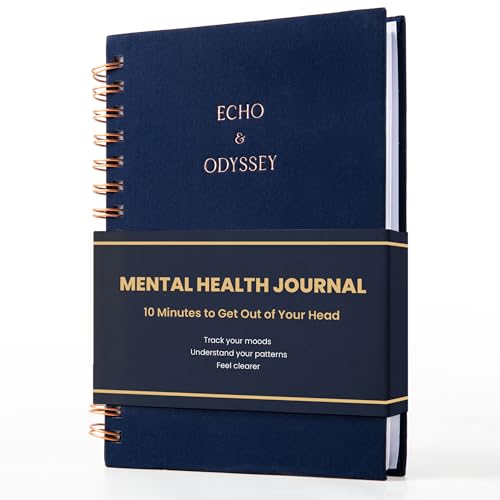
Mental Health Journal for Anxiety, Stress & Depression, Mood & Trigger Tracker, CBT & Pattern Recognition, 84 Day Guided Daily Prompts & Reflection Journal for Men & Women | Growthedge
SETTLE THE NOISE: A daily reflection journal and guided journal with prompts to calm mental clutter in just…
As an affiliate, we earn on qualifying purchases.
As an affiliate, we earn on qualifying purchases.
Conclusion
So, next time disappointment knocks you flat, remember: just shrug it off like a seasoned pro. After all, who needs resilience when you’ve got a perfectly crafted poker face? Smile, pretend it’s all part of the grand plan, and maybe, just maybe, you’ll bounce back faster than a rubber ball on a trampoline. Because in the end, why feel down when you can master the art of pretending to be totally fine? Cheers to your unstoppable, unbreakable spirit!
guided deep breathing exercises
As an affiliate, we earn on qualifying purchases.
As an affiliate, we earn on qualifying purchases.
supportive stress relief toys
As an affiliate, we earn on qualifying purchases.
As an affiliate, we earn on qualifying purchases.