As environmental crises grow, your climate anxiety rises because you’re deeply aware of the ongoing issues and feel helpless at times. It’s natural to experience feelings like hopelessness or restlessness, but ways to cope include turning your worry into activism, setting boundaries on social media, and practicing self-care. Staying informed through positive solutions and connecting with others can boost resilience. Continue exploring how to manage these emotions effectively and stay motivated for change.

Get self-care and calm essentials delivered free — and shop member deals
- Fast, free delivery on millions of items
- Access to Prime Big Deal Days deals on October 6–7
- Prime Video, Amazon Music and more included
Key Takeaways
- Rising environmental decline and alarming news increase feelings of helplessness, fueling climate anxiety.
- Connecting with activism provides a sense of control and reduces emotional distress.
- Managing mental health through boundaries, mindfulness, and social support helps cope with climate-related worries.
- Focusing on small, actionable steps and celebrating progress builds resilience and motivation.
- Prioritizing self-care and engaging in joyful activities maintain emotional well-being for sustained climate engagement.
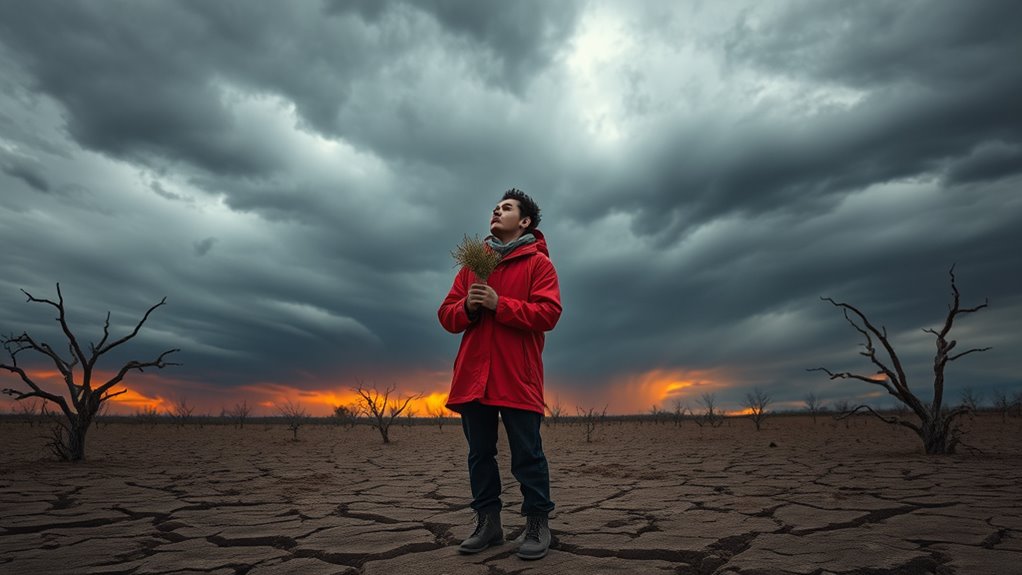
Have you ever felt overwhelmed or helpless about the state of the planet? That sinking feeling, the constant worry about climate change, can take a serious toll on your mental health. Climate anxiety isn’t just a passing concern; it’s a genuine emotional response to the mounting evidence of environmental decline. You might find yourself feeling restless, hopeless, or even paralyzed by the scale of the problem. It’s important to recognize that these feelings are valid, but they shouldn’t dominate your life. Instead, channel that anxiety into effective activism strategies that can empower you and reduce feelings of helplessness. Taking action, even in small ways, can restore a sense of control and purpose. Whether it’s participating in local cleanups, advocating for policy change, or spreading awareness online, these activities help you connect with like-minded individuals and make a tangible difference.
While activism is essential, managing your mental health must stay at the forefront. Constant exposure to distressing news can heighten anxiety, so it’s critical to set boundaries. Limit your social media consumption and avoid getting caught in echo chambers that amplify negativity. Practice mindfulness or grounding techniques to stay present and prevent overwhelm. Remember, it’s okay to take breaks—you’re not obligated to carry the weight of the world on your shoulders alone. Seeking support from friends, family, or mental health professionals can provide relief and guidance. Sharing your feelings can lessen their burden and remind you that you’re not alone in this struggle.
Set boundaries, practice mindfulness, and seek support to protect your mental health amid climate activism.
Developing resilience is also key to coping with climate anxiety. Focus on what you can control, like reducing your carbon footprint, supporting sustainable businesses, or educating others. Celebrate small victories; they add up and reinforce your sense of progress. Additionally, stay informed through reputable sources that provide constructive solutions rather than just alarming statistics. This helps you stay motivated and informed without becoming overwhelmed. Connecting with community groups or organizations that align with your values can foster a sense of collective effort. Remember, activism strategies don’t have to mean grand gestures—consistent, small actions often lead to lasting change. Incorporating the role of color accuracy in projectors into your understanding of visual tools can also help in creating engaging and inspiring visual content for awareness campaigns.
Finally, prioritize self-care. Engage in activities that bring you joy and relaxation, whether it’s exercise, hobbies, or spending time in nature. Taking care of your mental health isn’t a sign of weakness; it’s a necessary foundation for sustainable activism. By balancing emotional well-being with proactive engagement, you can navigate climate anxiety more effectively and stay committed to making a difference. Your mental health matters just as much as the planet’s future, so nurture it as part of your overall climate action journey.
mindfulness meditation app for anxiety
As an affiliate, we earn on qualifying purchases.
As an affiliate, we earn on qualifying purchases.
Frequently Asked Questions
How Does Climate Anxiety Affect Children’s Mental Health?
Climate anxiety can impact your child’s mental health by making them feel overwhelmed, worried, or helpless about the environment. It may reduce their emotional resilience, making it harder to cope with everyday stress. To help, encourage open conversations and foster peer support, so they realize they’re not alone. Building their emotional resilience through mindfulness and positive activities can also empower them to manage their fears effectively.
Are There Specific Therapies Effective for Climate-Related Anxiety?
Around 70% of people with climate anxiety find therapy helpful. You should consider therapeutic approaches like cognitive-behavioral therapy (CBT), which helps reframe negative thoughts, or acceptance and commitment therapy (ACT), focusing on acceptance and values. These coping strategies empower you to manage anxiety effectively, reducing feelings of helplessness. Exploring specialized therapy options can give you practical tools to face climate concerns with resilience and hope.
Can Climate Anxiety Lead to Physical Health Issues?
Yes, climate anxiety can lead to physical health issues. When you experience persistent stress related illnesses, you might notice physical symptoms like headaches, muscle tension, or fatigue. Chronic stress from anxiety about climate change can weaken your immune system and increase vulnerability to illness. It is crucial to manage your anxiety through healthy coping strategies, as ignoring these signs might worsen both your mental and physical health over time.
What Role Does Social Media Play in Increasing Climate Anxiety?
Social media acts like a wildfire, spreading emotional contagion rapidly, which can intensify your climate anxiety. When you see alarming posts and distressing news, it fuels your fears and worries about the planet’s future. This constant exposure makes it harder to stay hopeful and calm. To protect yourself, limit your social media use and seek balanced, positive content that inspires action rather than despair.
How Can Workplaces Support Employees Experiencing Climate Anxiety?
You can support employees experiencing climate anxiety by implementing supportive workplace policies and expanding mental health programs. Offer flexible schedules, provide resources like counseling, and create an open environment for discussions. Encourage participation in sustainability initiatives to empower staff. By prioritizing mental health and fostering a proactive, understanding atmosphere, you help employees feel valued and resilient in facing climate concerns.
climate anxiety self-care journal
As an affiliate, we earn on qualifying purchases.
As an affiliate, we earn on qualifying purchases.
Conclusion
Feeling overwhelmed by climate anxiety can make the world seem like it’s crumbling around you. But remember, you’re not alone in this storm — your actions, no matter how small, are like sparks of hope igniting change. Take deep breaths, stay informed, and connect with others who care. Together, you can turn that tidal wave of worry into a powerful current of purpose. Your resilience is stronger than the fiercest hurricane, and brighter days are ahead.
As an affiliate, we earn on qualifying purchases.
support groups for climate anxiety
As an affiliate, we earn on qualifying purchases.
As an affiliate, we earn on qualifying purchases.
Fall Picks
fall essentials
As an affiliate, we earn on qualifying purchases.