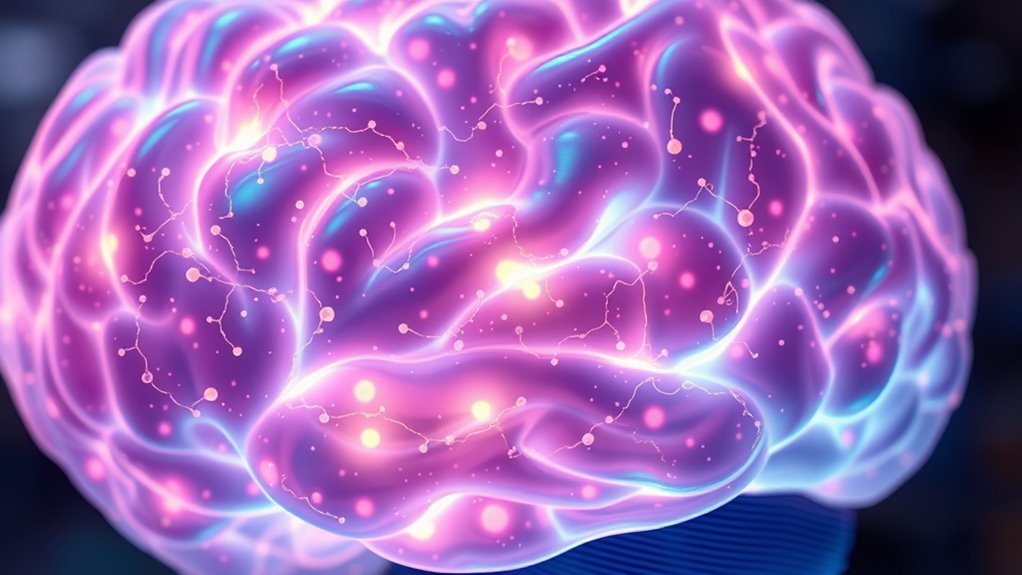

The gut-brain axis is a communication network where your microbiome impacts your mood and thinking through neurochemical signals and immune responses. When your gut bacteria are balanced, they produce mood-regulating chemicals like serotonin, dopamine, and GABA, which influence how you feel and think. Disruptions can lead to anxiety, depression, and cognitive issues. Maintaining a healthy microbiome supports mental clarity and emotional resilience. To discover how you can optimize this connection, keep exploring these groundbreaking insights.

Get self-care and calm essentials delivered free — and shop member deals
- Fast, free delivery on millions of items
- Access to Prime Big Deal Days deals on October 6–7
- Prime Video, Amazon Music and more included
Key Takeaways
- The gut-brain axis enables microbiomes to communicate with the brain via neurochemical and immune signaling.
- Gut bacteria produce mood-regulating neurochemicals like serotonin, dopamine, and GABA.
- Altering microbiome composition through therapy can alleviate depression, anxiety, and cognitive decline.
- Healthy gut microbiota supports cognitive function and emotional resilience through balanced neurochemical signals.
- Future microbiome-based treatments may personalize mental health therapies by targeting gut microbiota.

Recent breakthroughs have revealed that your gut and brain are more connected than previously thought, sparking a revolution in understanding human health. This connection is rooted in the complex communication network known as the gut-brain axis, which involves a multitude of neurochemical pathways that influence your mood, cognition, and overall mental well-being. Researchers are now exploring how microbiome therapy—targeted interventions that modify the composition of your gut microbiota—can harness this axis to improve mental health outcomes. By altering the microbial populations in your gut, you can influence the neurochemical signals sent to your brain, potentially alleviating depression, anxiety, and cognitive decline.
Gut-brain connection reveals microbiome therapy can boost mental health by influencing neurochemical signals and reducing mood disorders.
Microbiome therapy works by shifting the balance of bacteria in your gut, which in turn impacts the production of key neurochemicals like serotonin, dopamine, and gamma-aminobutyric acid (GABA). These neurochemical pathways are vital because they regulate your mood, emotional responses, and mental clarity. For example, nearly 90% of serotonin, often called the “feel-good” hormone, is produced in your gut. When your microbiome is disrupted—due to poor diet, stress, or antibiotics—this can impair serotonin synthesis and lead to mood disorders. Conversely, restoring healthy microbiota through probiotic supplements, dietary changes, or fecal microbiota transplantation can normalize these neurochemical signals, resulting in improved mental states.
You might not realize it, but your gut bacteria actively communicate with your brain via the vagus nerve and immune system signaling. This bidirectional communication forms the core of the gut-brain axis, allowing your microbiome to influence inflammation levels, neurotransmitter production, and even neural plasticity. When your microbiome is balanced, it promotes healthy neurochemical pathways that support cognitive function and emotional resilience. On the other hand, an imbalanced microbiome—characterized by reduced diversity or harmful bacteria—can send distress signals to your brain, contributing to anxiety, depression, or cognitive fog.
Understanding this connection opens up exciting possibilities for treating mental health issues through microbiome therapy. Instead of relying solely on medication, you can focus on nurturing your gut health through prebiotics, probiotics, and diet, directly targeting the neurochemical pathways that shape your mood and cognition. As science advances, personalized microbiome interventions could become a cornerstone of mental health treatment, emphasizing the profound influence your gut microbiota has on your brain. This revolution in understanding underscores that taking care of your gut isn’t just about digestion—it’s about optimizing your mental well-being at a fundamental level.
probiotic supplements for gut-brain health
As an affiliate, we earn on qualifying purchases.
As an affiliate, we earn on qualifying purchases.
Frequently Asked Questions
Can Gut Microbiome Changes Reverse Mental Health Issues?
Yes, increasing microbiome diversity can help reverse some mental health issues. By improving your microbiome, you promote better gut-brain communication, which can boost mood and cognition. You can achieve this by eating a varied diet rich in fiber, fermented foods, and probiotics. While changes in microbiome diversity aren’t guaranteed to fully cure mental health problems, they can profoundly support your overall mental well-being and recovery process.
How Quickly Can Microbiome Adjustments Affect Mood?
Microbiome shifts can influence your mood surprisingly fast, sometimes within days. Think of your gut as a mood thermostat—small changes in your microbiome can trigger noticeable mood fluctuations. You might start feeling calmer or more alert as your gut bacteria adjust. While lasting effects take longer, initial mood shifts can happen quickly, highlighting how powerful your microbiome is in shaping your emotional state almost instantly.
Are Specific Diets Proven to Optimize Gut-Brain Health?
Yes, specific diets can help optimize gut-brain health. Incorporate prebiotic fibers from foods like garlic, onions, and bananas to nourish beneficial microbiomes. Eating fermented foods such as yogurt, kefir, and sauerkraut introduces probiotics that support mood and cognition. Consistently including these in your diet can enhance gut diversity and improve mental well-being over time, making your gut-brain connection stronger and more resilient.
Do Probiotics Directly Improve Cognitive Functions?
Imagine you’re in a medieval tavern, debating whether probiotics can boost your brainpower. The answer is yes—certain probiotic strains have shown potential for cognitive enhancement. These beneficial bacteria can influence your gut-brain axis, possibly improving memory, focus, and mood. While they’re not magic pills, incorporating specific probiotic strains into your routine may support mental clarity and overall cognitive function. Give it a try and see how your mind responds!
How Does Stress Impact the Gut Microbiome Long-Term?
Stress effects your gut microbiome long-term by disrupting its balance, making it less resilient to future challenges. When you’re stressed, harmful bacteria can thrive while beneficial ones diminish, weakening your microbiome’s ability to recover. Over time, this imbalance can lead to digestive issues, mood disturbances, and decreased cognitive function. To protect your microbiome resilience, manage stress through relaxation techniques, balanced diet, and regular exercise.
prebiotics for mood and cognition
As an affiliate, we earn on qualifying purchases.
As an affiliate, we earn on qualifying purchases.
Conclusion
As you navigate your daily life, remember the gut-brain connection is like Pandora’s box—full of surprises that can shape your mood and mind. By nurturing your microbiome, you hold the key to revealing better mental clarity and emotional balance. Like the ancient tales warn of hidden forces, understanding this revolution reveals that your health isn’t just skin deep—it’s woven deep within. Embrace this knowledge, and you take charge of your inner world’s destiny.
As an affiliate, we earn on qualifying purchases.
As an affiliate, we earn on qualifying purchases.
Fall Picks
fall essentials
As an affiliate, we earn on qualifying purchases.