
In real life, emotional resilience shows in how you face setbacks rather than pretend everything’s fine. You manage your emotions, like frustration or sadness, instead of letting them control you. You adapt to challenges by analyzing situations and developing healthy coping strategies, such as talking to others or reflecting through journaling. True resilience involves accepting vulnerability and staying committed to progress, even through discomfort. Keep exploring, and you’ll discover ways to strengthen resilience in everyday moments.
Key Takeaways
- Facing setbacks directly and managing emotions to recover and move forward effectively.
- Using practical coping strategies like walking or journaling during stressful times.
- Adapting to challenges by analyzing the situation and regulating emotional responses.
- Demonstrating vulnerability and seeking support to navigate difficult emotional moments.
- Consistently choosing resilience through daily efforts to learn, grow, and overcome obstacles.

Emotional resilience isn’t just about repeating inspiring quotes; it’s about how you genuinely handle life’s setbacks and stresses. It’s about developing coping strategies that work for you and maintaining a level of emotional awareness that keeps you grounded during tough times. When life throws challenges your way, resilience shows up in the way you respond, not just in how you talk about being strong. It’s about facing adversity directly and managing your emotions in a way that helps you move forward.
True resilience is how you handle setbacks, not just how you talk about strength.
Your coping strategies are key to this process. You might find that taking a walk, journaling your thoughts, or reaching out to a friend helps you process difficult feelings. Resilient people don’t ignore their emotions; they acknowledge them. Emotional awareness allows you to recognize what you’re feeling—anger, sadness, frustration—without letting those feelings overpower you. This awareness acts as a compass, guiding you to respond thoughtfully instead of reacting impulsively. It’s a skill you cultivate through mindfulness and self-reflection, helping you stay centered amid chaos. Recognizing your emotional responses is an essential part of building emotional resilience.
In real life, resilience often means adapting rather than avoiding. For example, if you face rejection at work or in a relationship, instead of dwelling on self-doubt or blaming others, you analyze what happened objectively. You look at what you can learn from the situation and how you might approach it differently next time. This adaptability stems from emotional awareness—you understand what triggered your reaction and work on managing those feelings. Additionally, understanding emotional regulation can help you develop healthier responses over time. Developing effective coping strategies can also strengthen your resilience, especially when faced with ongoing or unexpected challenges. Over time, your coping strategies become more refined, helping you bounce back quicker and stronger. Recognizing the importance of self-compassion can also aid in maintaining motivation and emotional well-being during setbacks.
Resilience isn’t a constant state of feeling invincible; it’s an ongoing process. You’ll have moments of vulnerability, and that’s okay. What matters is how you navigate those moments—accepting your emotions, seeking support when needed, and adjusting your approach. It’s about building resilience as a habit, not a one-time effort. When setbacks occur, your ability to stay emotionally aware helps you distinguish between what you can control and what you can’t. That clarity lets you focus on solutions rather than spiraling into despair. Developing self-awareness can further enhance your capacity to manage emotional responses effectively.
Ultimately, genuine emotional resilience shows in your daily choices—your willingness to face discomfort, adapt, and learn from each experience. It’s not about pretending everything is fine or hiding your feelings; it’s about cultivating healthy coping strategies and emotional awareness that empower you to keep moving forward, even when life gets tough.

Happy Confident Me: Daily JOURNAL – Gratitude and Growth Mindset Journal that boosts children's happiness, self-esteem, positive thinking, mindfulness and resilience
As an affiliate, we earn on qualifying purchases.
As an affiliate, we earn on qualifying purchases.
Frequently Asked Questions
How Can I Build Emotional Resilience During Ongoing Stress?
To build emotional resilience during ongoing stress, focus on mindset shifts that encourage adaptability and positivity. Recognize your strengths and accept what you can’t control. Strengthen your support networks by reaching out to trusted friends, family, or professionals who can offer guidance and comfort. Practice self-care regularly, stay grounded in the present, and remind yourself that setbacks are temporary. These steps help you develop resilience in tough times.
What Are Common Misconceptions About Emotional Resilience?
Did you know that many believe resilience means never feeling stressed or upset? That’s a resilience myth. Myth busting shows emotional resilience isn’t about invincibility; it’s about bouncing back from setbacks. Common misconceptions include thinking resilient people don’t need help or that resilience is innate, not developed. In reality, resilience involves vulnerability, support, and effort—showing strength in facing challenges, not avoiding them.
Does Emotional Resilience Vary Across Different Cultures?
Yes, emotional resilience varies across cultures. Cultural perspectives influence how people perceive and cope with adversity, shaping resilience practices. For example, some cultures emphasize community support and collective strength, while others focus on individual perseverance. Your resilience might involve different strategies depending on your background, traditions, and societal norms. Recognizing these cultural differences helps you understand that resilience isn’t one-size-fits-all but a flexible, culturally embedded trait.
How Long Does It Take to Develop Emotional Resilience?
It generally takes months or even years to develop emotional resilience, depending on your experiences and efforts. You build emotional strength and mental toughness through consistent practice, facing challenges, and learning from setbacks. It’s a gradual process that requires patience and self-awareness. By actively working on coping strategies and maintaining a positive outlook, you’ll strengthen your ability to bounce back from adversity over time.
Can Emotional Resilience Be Measured Objectively?
While emotional toughness isn’t easily measured with a simple scale, resilience training provides some indicators of your progress. You can assess your ability to bounce back from setbacks, maintain perspective, and handle stress—key signs of resilience. Though not entirely objective, these signs show your emotional strength. Over time, consistent resilience training helps develop your emotional toughness, making your resilience more evident and measurable through real-life responses and improvements.

YeeBeny Breathing lamp Guided 3 Color 478s Meditation for Stress Relief
Breathing Lamp Function: A mindful breathing lamp is a powerful and effective tool that can help you reduce…
As an affiliate, we earn on qualifying purchases.
As an affiliate, we earn on qualifying purchases.
Conclusion
Imagine facing a sudden job loss. Instead of despair, you take a deep breath, assess your options, and reach out for support. That’s emotional resilience in action—adapting, bouncing back, and moving forward. It’s not about avoiding tough times but handling them with strength and flexibility. Like Sarah, who turned a setback into a new career path, you too can develop resilience that helps you thrive, not just survive, in life’s unpredictable moments.

Can-i Fresh Ultra Calm Stress Relief Spray – Fast-Acting Cortisol Reducer with GABA, L-Theanine & Niacin – Better Then Magnesium Glycinate as a Cortisol Supplement for Women & Men, Feel Super Calm
FAST ANXIETY RELIEF WHEN YOU NEED IT: Fast-absorbing oral spray works in 10–15 minutes to help ease everyday…
As an affiliate, we earn on qualifying purchases.
As an affiliate, we earn on qualifying purchases.
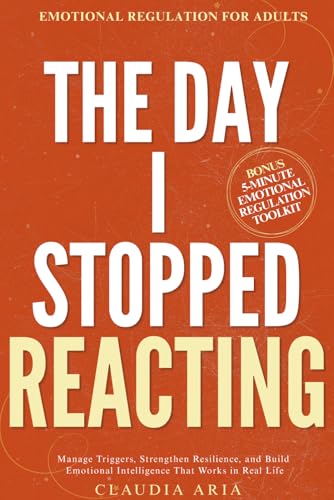
The Day I Stopped Reacting: Emotional Regulation for Adults To Manage Triggers, Strengthen Resilience, and Build Emotional Intelligence That Works in Real Life (The Rising Empaths)
As an affiliate, we earn on qualifying purchases.
As an affiliate, we earn on qualifying purchases.