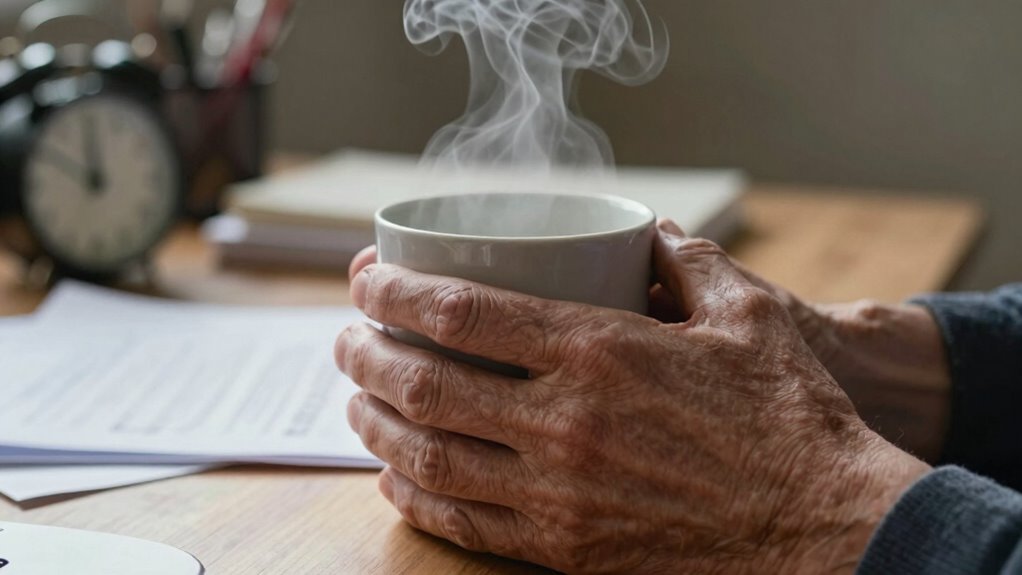

Small daily stressors may seem insignificant, but over time, they quietly shape your personality. How you respond to minor annoyances or challenges reinforces habits, influencing traits like patience, calmness, or irritability. Repeated reactions strengthen emotional patterns, gradually transforming your outlook and resilience. By managing these stressors consciously, you can develop healthier habits and shape your personality intentionally. If you want to understand how these tiny moments impact your growth, there’s more to uncover ahead.
Open a free Amazon Business account
Business pricing, bulk buying and tax-exempt orders.
As an affiliate, we earn on qualifying purchases.
Key Takeaways
- Repeated minor stressors reinforce emotional responses, gradually shaping personality traits over time.
- Habitual reactions to small stressors strengthen neural pathways influencing personality development.
- Consistent stress without healthy coping can increase anxiety and alter emotional resilience.
- Positive responses to daily stressors foster traits like patience and calmness, promoting personal growth.
- Recognizing and managing small stressors allows intentional influence on personality evolution.
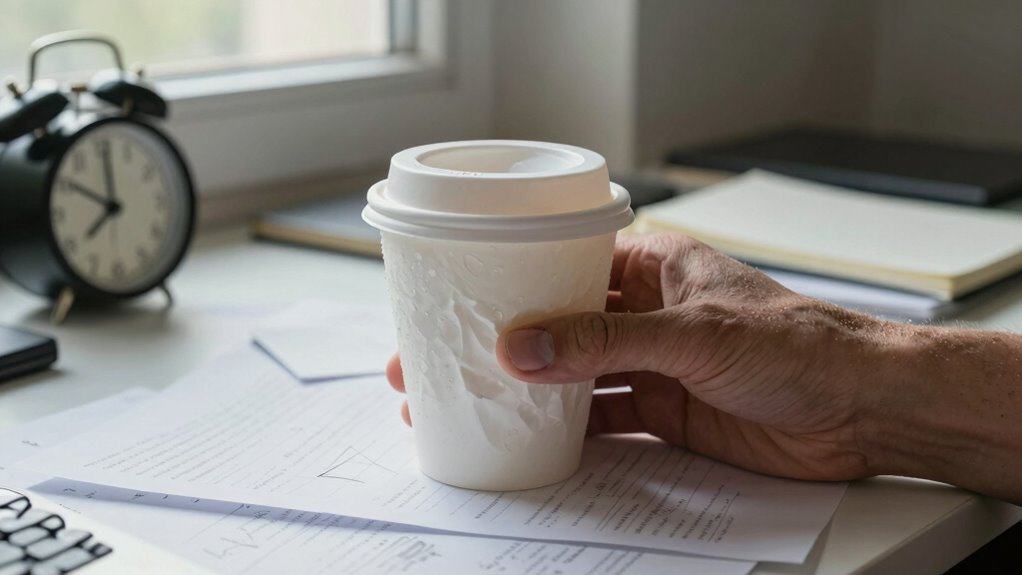
Even minor daily stressors, though seemingly insignificant, can accumulate over time and influence your personality traits. These small annoyances or pressures might seem fleeting, but they play a powerful role in shaping how you respond to future challenges. Over days, weeks, and months, your repeated reactions to these stressors can gradually alter your emotional resilience—the ability to bounce back from setbacks. When you consistently face stress without developing effective coping strategies, you might find yourself becoming more anxious, irritable, or less patient. Conversely, if you learn to manage these everyday pressures well, you strengthen your resilience, making it easier to stay calm under pressure and maintain a positive outlook.
Small daily stressors shape your resilience and personality over time—manage them wisely to foster emotional strength and patience.
Habit formation is closely tied to this process. Every time you encounter a stressor and respond in a certain way, your brain reinforces that reaction. For instance, if you often react to tight deadlines with frustration, over time, this response becomes ingrained. Your brain essentially creates a habit of stress and reaction, which can shape your overall personality. If your habitual response is to withdraw or become impatient, your personality may shift toward being more introverted or easily irritated. On the other hand, consistently practicing mindful responses and emotional regulation in small moments can help develop healthier habits, gradually shifting your personality toward greater emotional resilience and patience. Additionally, understanding how emotional regulation influences your reactions can help you intentionally foster positive habits. Incorporating techniques from sound healing or mindfulness practices can further strengthen your emotional responses and promote a sense of calm.
Your daily routines and reactions matter more than you might realize. Small stressors—like a disagreement with a coworker, a missed bus, or a minor technical glitch—may seem trivial, but how you handle them influences your long-term personality development. Over time, these repeated experiences reinforce certain emotional patterns. If you tend to dwell on problems or react impulsively, those tendencies become stronger. But if you approach small stressors with calmness and problem-solving, you reinforce positive habits that foster emotional stability. This process highlights how your personality isn’t fixed; it’s constantly reshaped by your daily experiences and responses. Recognizing the importance of habit formation can empower you to intentionally develop healthier reactions.
In essence, the small stressors you face each day serve as opportunities to build or weaken your emotional resilience. They also help you form habits—whether constructive or destructive—that influence your personality traits. By intentionally developing healthier reactions to daily annoyances, you can guide your personality evolution toward greater calmness, patience, and emotional strength. So, while these stressors might seem minor, their cumulative effect is profound, quietly molding the person you are becoming each day.
mindfulness meditation for stress relief
As an affiliate, we earn on qualifying purchases.
As an affiliate, we earn on qualifying purchases.
Frequently Asked Questions
Can Small Stressors Have Long-Term Effects on Personality?
Yes, small stressors can have long-term effects on your personality. When you face daily stress, your personality resilience builds over time, influencing how you adapt to future challenges. Repeated stressors teach your brain stress adaptation skills, which can either strengthen or weaken your personality traits. Over time, these subtle influences can shape your outlook, behavior, and emotional responses, making you more resilient or vulnerable depending on how you handle them.
Are Some Personalities More Vulnerable to Daily Stressors?
Imagine you’re a knight in shining armor, yet some personalities are more vulnerable to daily stressors. If your personality resilience is low, you’re more stress susceptible, making you prone to long-term changes. Those with higher resilience can better withstand minor daily stressors without significant personality shifts. Your personality vulnerability depends on your resilience level, and understanding this can help you develop strategies to buffer stress’s impact and maintain your true self.
How Quickly Can Daily Stressors Influence Personality Changes?
Daily stressors can influence your personality surprisingly fast, sometimes within weeks or months, especially if your personality resilience is low. When you struggle with stress adaptation, small daily challenges can gradually shift your traits, making you more anxious or less open over time. The key is how well you bounce back from stress; stronger stress adaptation helps maintain personality stability despite ongoing daily stressors.
Do Positive Daily Experiences Counteract the Effects of Stress?
Positive daily experiences do counteract stress, but it’s not always straightforward. When you practice mindfulness techniques or gratitude practices, you actively shift your focus, reducing stress’s impact on your personality. These positive habits help build resilience, much like a shield against daily challenges. While stress can quietly change you, embracing small joys and mindful moments restores balance, ensuring that positivity outweighs negativity in your ongoing personal evolution.
Can Managing Small Stressors Improve Overall Mental Health?
Yes, managing small stressors can boost your overall mental health by strengthening your stress resilience and enhancing emotional regulation. When you address daily challenges proactively, you build skills to handle bigger stressors more effectively. This consistent practice helps you stay calmer, improves your mood, and reduces anxiety. Over time, managing these minor stressors creates a solid foundation for better mental well-being and a more balanced, resilient mindset.
As an affiliate, we earn on qualifying purchases.
Conclusion
Those tiny daily stressors are like gentle ripples in a pond, subtly shifting your reflection over time. Each little annoyance or worry adds a brushstroke to the canvas of your personality, often unnoticed until the masterpiece is complete. By understanding this, you hold the brush—choosing whether to paint with patience or let stress color your world. Remember, even the smallest waves can carve grand canyons; your daily stressors quietly sculpt who you become.
As an affiliate, we earn on qualifying purchases.
As an affiliate, we earn on qualifying purchases.
Fall Picks
fall essentials
As an affiliate, we earn on qualifying purchases.



![I Made Tinnitus My Friend, Then It Disappeared [Video]](https://thinkozeal.com/wp-content/uploads/2026/08/i-made-tinnitus-my-friend-then-it-disappeared-video-featured-560x300.jpg)