

To recognize early signs of stress and burnout, pay attention to feelings of being overwhelmed or drained, especially when work-life balance feels off. Notice if you’re irritable, losing interest in activities, or working late despite feeling guilty. Physical symptoms like headaches, muscle tension, or sleep issues also signal trouble. Becoming aware of these indicators helps you take action before burnout worsens. Exploring more can give you valuable strategies to protect your well-being.
Key Takeaways
- Notice feelings of constant tiredness, irritability, or difficulty relaxing after work.
- Pay attention to physical signs like headaches, muscle tension, or sleep issues.
- Watch for declining motivation, productivity, and emotional disconnection from tasks or loved ones.
- Recognize emotional shifts such as impatience, anxiety, or feeling overwhelmed with small tasks.
- Practice self-care and set boundaries early to prevent escalation of stress and burnout.

Stress and burnout often creep in gradually, making it easy to overlook their early warning signs. You might feel like you’re juggling too much or that your energy is starting to drain, but dismiss these feelings as normal. The problem is that when your work life balance gets disrupted, it can set the stage for emotional exhaustion, a key indicator that you’re heading toward burnout. You may notice that you’re less able to switch off after work, or that even small tasks seem overwhelming. These subtle shifts are your body’s way of signaling that something needs attention before things spiral further out of control.
Recognizing early signs of emotional exhaustion helps prevent burnout before it takes over.
As you push through busy days, you might begin to feel increasingly irritable or impatient, even over minor inconveniences. This emotional exhaustion can make it harder to enjoy your usual activities or connect with friends and family. When your energy dips, it’s tempting to compensate with caffeine or quick fixes, but ignoring these signals only worsens the situation. Maintaining a healthy work life balance becomes essential here. If you find yourself working late hours regularly or feeling guilty about taking time off, you’re likely neglecting your mental health. Recognizing these early signs helps you take proactive steps to restore balance before burnout takes hold.
You might also notice physical symptoms like frequent headaches, muscle tension, or trouble sleeping. These are often linked to emotional exhaustion, which drains your resilience and leaves you more vulnerable to stress. If you’re feeling detached from your work or questioning your motivation, it’s a sign that emotional exhaustion has set in. It’s not just about feeling tired; it’s a sense of disconnect that can make even routine tasks feel intimidating. When you’re caught in this cycle, your productivity drops, and your overall well-being suffers. The key is to catch these signs early—address your workload, set boundaries, and prioritize self-care.
Pay attention to your emotional state. Are you feeling more anxious or overwhelmed than usual? Do you dread going to work or feel like you’re constantly running on empty? These are clear signals that your emotional reserves are depleting. If left unchecked, emotional exhaustion can lead to full-blown burnout, impacting every aspect of your life. The good news is that recognizing these early signs gives you a chance to intervene. By re-establishing your work life balance, practicing stress management techniques, and ensuring you carve out time for rest, you can prevent burnout from taking over. Listening to your body and mind is essential—your health depends on it.
Additionally, understanding the importance of self-care and actively incorporating it into your daily routine can significantly mitigate the risk of burnout.

ASAKUKI Essential Oils, Well-Being Diffuser Oils Gift Set, 6x10ml
- Long-lasting Aromatherapy Blends: Pleasant, relaxing scents for home use
- Curated Well-being Scents: Includes Happy, Calm, Air Freshening, Relax, Immunity, Sweet Dreams
- Expertly Blended Essential Oils: Multiple notes for lasting, rich aroma
As an affiliate, we earn on qualifying purchases.
As an affiliate, we earn on qualifying purchases.
Frequently Asked Questions
How Can I Differentiate Between Normal Stress and Burnout?
You can tell the difference between normal stress and burnout by how long it lasts and its impact on you. Normal stress responds well to coping strategies and stress management techniques, helping you stay productive. Burnout, however, leads to emotional exhaustion, detachment, and decreased performance, often persisting despite your efforts. If stress feels overwhelming or ongoing, it’s a sign to seek support and adjust your coping strategies before burnout takes hold.
Are There Specific Personality Traits That Increase Burnout Risk?
You might find that certain personality traits, like perfectionism, high neuroticism, or a strong sense of duty, increase your burnout susceptibility. Research suggests that individuals who are overly self-critical or struggle with boundaries are more prone to stress turning into burnout. It’s worth recognizing these traits in yourself so you can develop strategies to manage stress better, like setting realistic goals and practicing self-compassion.
Can Early Signs of Stress Be Hidden From Others?
Yes, early signs of stress can be hidden from others through emotional masking and hidden symptoms. You might appear fine on the surface while internally feeling overwhelmed, anxious, or exhausted. You may hide fatigue or irritability, making it harder for others to notice your struggles. It is crucial to check in with yourself regularly and pay attention to subtle changes in your mood, energy, or behavior that could indicate hidden stress.
What Role Does Sleep Play in Stress and Burnout Prevention?
Sleep plays a vital role in preventing stress and burnout by supporting your mental and physical health. Good sleep hygiene and restful routines help you recharge and manage daily pressures more effectively. When you prioritize consistent sleep, you reduce fatigue, improve mood, and strengthen resilience. Skipping restful routines can lead to heightened stress levels, making it harder to cope. So, make sleep a priority to maintain balance and prevent burnout.
How Long Does It Typically Take to Recover From Burnout?
Recovery from burnout varies, but research shows it can take anywhere from several weeks to over a year. Typically, the recovery timeline depends on burnout duration, severity, and your efforts to address stressors. If you’ve experienced prolonged burnout, expect a longer process. To speed up recovery, prioritize self-care, set boundaries, and seek support. Remember, patience is key—you’re working towards regaining your energy and well-being.
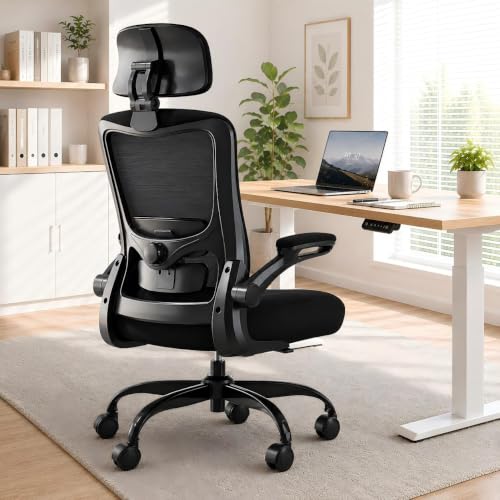
Ergonomic Office Chair for Long Hours, Adjustable Padded Lumbar Support for Lower Back Relief, 330 lb Capacity, Comfortable Computer Desk Chair for Home Office, Work & Study
- All-Day Comfort: Adjustable headrest and padded lumbar support
- Back Pressure Relief: Supports natural spine curve for better posture
- Customizable Fit: Adjustable headrest, lumbar, and seat height
As an affiliate, we earn on qualifying purchases.
As an affiliate, we earn on qualifying purchases.
Conclusion
By paying attention to these early signs, you can take steps to prevent stress and burnout from taking over your life. Remember, your well-being matters most—ignoring the warning signals only makes things worse. So, aren’t you worth the effort to prioritize your mental health? Recognizing these signs early empowers you to seek support, make necessary changes, and maintain balance. Your health is your greatest asset—don’t wait until it’s too late to act.
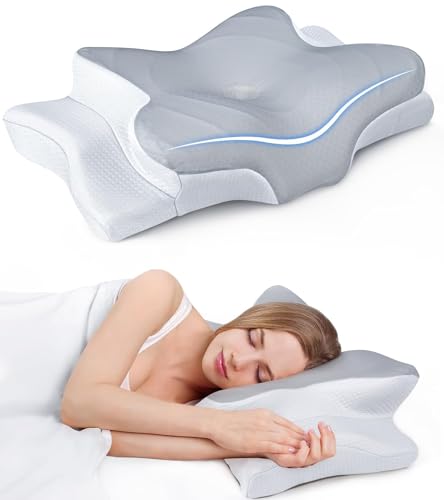
Ultra Pain Relief Cooling Pillow for Neck Support, Adjustable Cervical Pillow Cozy Sleeping, Odorless Ergonomic Contour Memory Foam Pillows, Orthopedic Bed Pillow for Side Back Stomach Sleeper
- Innovative Hollow Concave Design: Cradles head and aligns neck naturally
- Six Contour Zones for Support: Targets pressure points for full support
- Cooling Pillowcase with Arc-Chill: Reduces skin temperature instantly
As an affiliate, we earn on qualifying purchases.
As an affiliate, we earn on qualifying purchases.

Fuck It: A Guided Self-Love and Gratitude Journal for Women to Unfuck Your Life, Exhale the Bullshit, and Love Who You Are (Cute Self Care & Self Help Books)
As an affiliate, we earn on qualifying purchases.
As an affiliate, we earn on qualifying purchases.