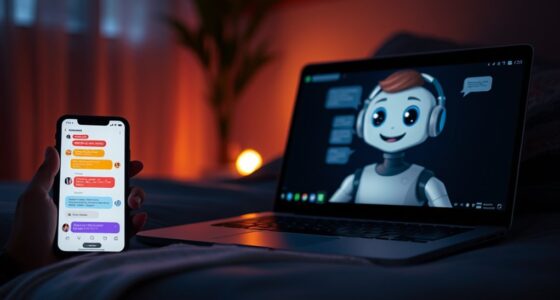

Using dating apps more often can make you feel lonelier because superficial interactions foster a false sense of connection, leaving you feeling more isolated. Swiping endlessly and exchanging shallow messages drain your emotional energy and reduce your trust in real relationships. This cycle distorts your view of genuine intimacy and makes authentic bonds harder to find. If you keep exploring, you’ll discover ways to break free from this cycle and find more meaningful connections.

Turn your wind-down time into listening time
- Thousands of audiobooks, podcasts and originals
- Listen on your phone, tablet or Echo — also offline
- Cancel anytime
Key Takeaways
- Superficial interactions on dating apps can create a false sense of connection, leading to deeper feelings of loneliness.
- Emotional fatigue from repetitive, shallow exchanges diminishes trust and optimism in forming meaningful bonds.
- Constant swiping and messaging can distort perceptions of intimacy, causing users to settle for less genuine relationships.
- The gap between expectations of authentic connection and the reality of fleeting chats increases feelings of emptiness.
- Relying solely on dating apps reduces opportunities for in-person interactions, hindering the development of deeper, more fulfilling relationships.
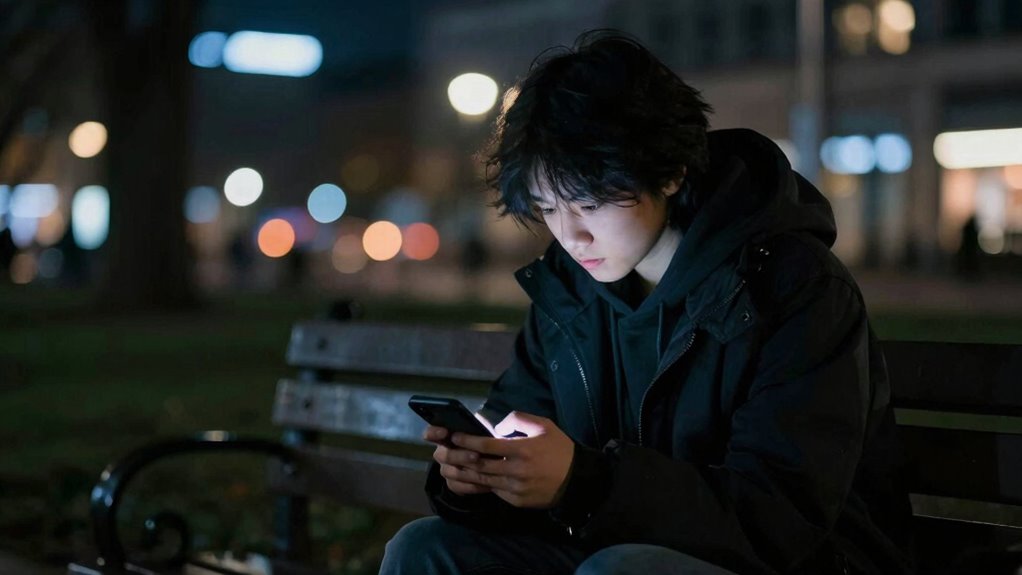
Many people turn to dating apps to find connection, but for some, increased use can lead to feelings of loneliness rather than relief. You might start swiping with high hopes, expecting to meet someone who truly understands you. Instead, what often happens is that you find yourself endlessly scrolling through profiles, exchanging superficial messages, and feeling more disconnected after each interaction. This cycle can create emotional fatigue, draining your energy and leaving you feeling exhausted both emotionally and mentally.
Swiping with hope, but often feeling more disconnected and emotionally drained after superficial interactions.
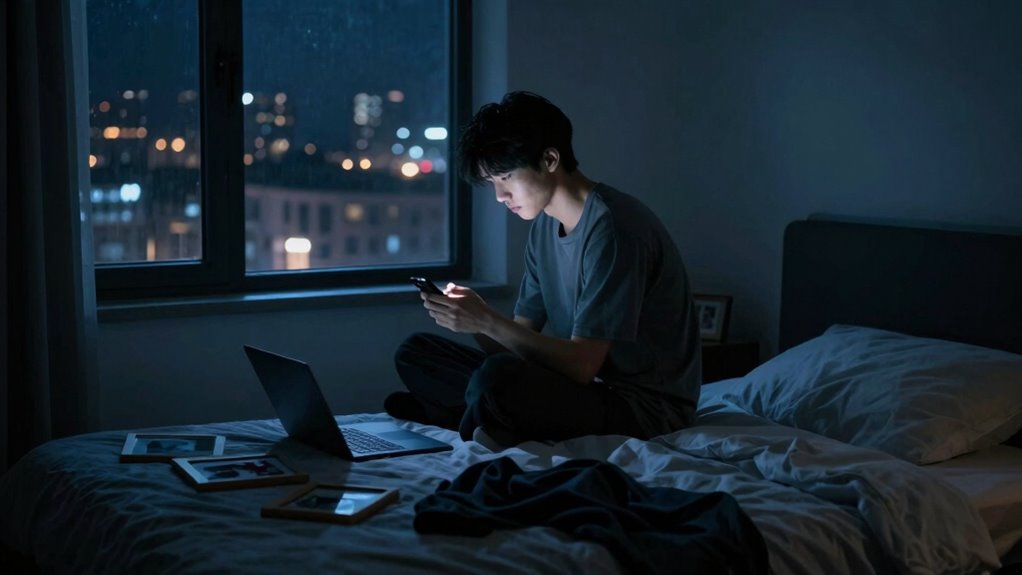
As you spend more time on these apps, you might notice that your conversations become shallow, lacking depth or genuine intimacy. Instead of forming meaningful bonds, you settle for small talk and surface-level exchanges, which only reinforce feelings of loneliness. These shallow connections can give a false sense of progress, but they rarely satisfy your deeper emotional needs. Over time, the contrast between the desire for real connection and the reality of fleeting chats can intensify feelings of isolation.
The more you engage with dating apps, the more you might feel like you’re chasing something just out of reach. You could start questioning whether your efforts are worth it, especially when each match feels more like a fleeting moment than a step toward something meaningful. This disconnect between your hopes and the reality of shallow interactions can make you feel lonelier, despite being constantly connected to your device.
Additionally, emotional fatigue plays a significant role in amplifying loneliness. Repeatedly putting yourself out there, only to face rejection or indifference, wears you down. It becomes exhausting to maintain a facade of optimism when each conversation ends without the genuine connection you crave. This persistent fatigue can lead you to withdraw emotionally, making it harder to open up or trust others in future interactions. Recognizing the emotional toll of superficial interactions can help you understand why some people feel lonelier despite increased activity on these platforms. Furthermore, the lack of authentic connection can cause a sense of emptiness that persists even when you’re engaged online.
Furthermore, the cycle of superficial engagement can distort your perceptions of what genuine connection looks like, making it harder to find or appreciate real intimacy when it does occur. Ultimately, the cycle of seeking connection through dating apps can inadvertently deepen your loneliness. You may find yourself craving authenticity and meaningful engagement but settling for quick messages and superficial chats instead. This mismatch between your emotional needs and the experiences these apps offer can leave you feeling more isolated than when you started. Understanding the importance of emotional fatigue and genuine connections is crucial for seeking more fulfilling ways to connect—whether through in-person interactions, hobbies, or communities that align with your values.
self-help books for emotional connection
As an affiliate, we earn on qualifying purchases.
As an affiliate, we earn on qualifying purchases.
Frequently Asked Questions
Can Dating Apps Improve Long-Term Relationship Satisfaction?
Yes, dating apps can improve long-term relationship satisfaction if you focus on building genuine virtual connections and emotional intimacy. When you communicate openly and prioritize meaningful conversations, you deepen your bond beyond surface level. Consistently investing time and effort helps transform online interactions into real-life connections, fostering trust and understanding. Ultimately, mindful use of dating apps encourages a stronger, more satisfying relationship that lasts over time.
Do Age or Gender Influence Loneliness After Using Dating Apps?
Age differences and gender dynamics do influence loneliness after using dating apps. Younger users might feel more isolated if they face rejection or ghosting, while older users could feel disconnected from the digital dating scene. Gender dynamics also play a role; women often experience more emotional strain, and men might struggle with rejection. Recognizing these factors helps you understand how age and gender impact feelings of loneliness on dating platforms.
How Does Self-Esteem Affect Feelings of Loneliness?
They say, “You are your own worst enemy,” and your self-esteem plays a big role in loneliness. When your self-worth impact wanes, confidence fluctuations can make you feel isolated, even amidst potential matches. If you doubt yourself, you may struggle to connect authentically, increasing loneliness. Building a healthy sense of self helps you navigate dating apps with confidence, making genuine connections more likely and reducing feelings of loneliness.
Are Certain Dating App Features Linked to Increased Loneliness?
Certain dating app features, like requiring profile authenticity, can influence loneliness. If your profile feels genuine, it encourages real connections, reducing loneliness. However, low user engagement, such as quick swipes or superficial interactions, can leave you feeling more isolated. When apps prioritize authentic profiles and foster meaningful communication, you’re more likely to build genuine relationships, which helps counteract feelings of loneliness.
What Role Does Social Comparison Play in Loneliness?
Think of social comparison as a mirror reflecting others’ highlight reels, making you feel like you’re missing out. This emotional impact can deepen loneliness, as you measure your worth against curated images and stories. When you see others seemingly happier or more successful, it’s easy to feel isolated and inadequate. You might forget that everyone’s journey is different, and that your own story holds unique value beyond the comparison.
journals for emotional well-being
As an affiliate, we earn on qualifying purchases.
As an affiliate, we earn on qualifying purchases.
Conclusion
You might find that, just like a puzzle missing a few pieces, more time on dating apps can leave you feeling lonelier. Instead of connecting deeply, you may end up chasing fleeting matches that don’t fill the void. Remember, genuine connection isn’t a swipe; it’s like planting seeds that grow into meaningful relationships. So, take a step back, nurture real bonds, and know that sometimes, less is more when it comes to finding true companionship.
As an affiliate, we earn on qualifying purchases.
therapy workbooks for relationship issues
As an affiliate, we earn on qualifying purchases.
As an affiliate, we earn on qualifying purchases.
Fall Picks
fall essentials
As an affiliate, we earn on qualifying purchases.