
By 2025, online dating is more diverse and mainstream than ever, with people across all ages using apps to find meaningful relationships. You’ll see more older adults, women leading conversations, and LGBTQ+ communities actively involved. People now prioritize compatibility and long-term potential over casual encounters, thanks to advanced matching algorithms. If you want to discover how these trends shape dating today, there’s plenty more insight ahead.
Open a free Amazon Business account
Business pricing, bulk buying and tax-exempt orders.
As an affiliate, we earn on qualifying purchases.
Key Takeaways
- By 2025, online dating is mainstream across diverse age groups, including older adults and Baby Boomers.
- Users seek meaningful, long-term relationships, prioritizing compatibility over casual encounters.
- Gender balance and LGBTQ+ participation have increased, promoting inclusivity and varied relationship preferences.
- Advanced features like detailed profiles, video chats, and compatibility algorithms attract users seeking serious connections.
- Online dating platforms are favored for forming romantic bonds due to societal shifts and technological innovations.
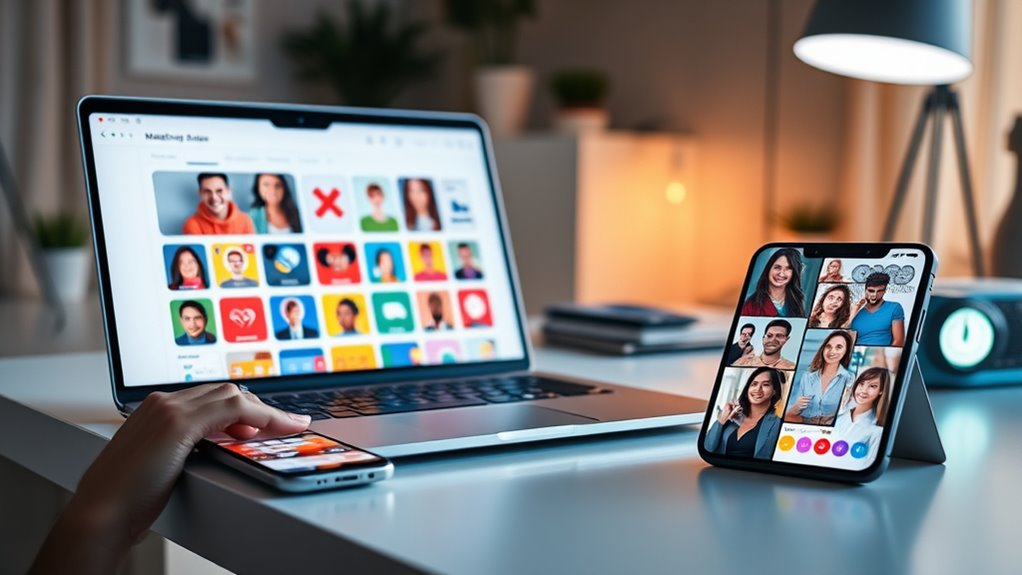
Online dating continues to revolutionize how people find love, and by 2025, its impact is even more pronounced. You’ve probably noticed how more friends and colleagues turn to dating apps and websites, reflecting major shifts in relationship trends. As technology evolves, so do the ways people connect, making online platforms a primary avenue for forming romantic bonds. The user demographics have become increasingly diverse, breaking stereotypes about who uses these apps. Today, a broader age range, including older adults, actively participates in online dating, and the gender balance is more balanced than ever. This shift indicates that online dating isn’t just a young person’s game anymore; it’s a mainstream way to find companionship across generations.
By 2025, online dating is more diverse and mainstream, connecting people across all ages and backgrounds.
The relationship trends in 2025 reveal that people are seeking more meaningful connections rather than casual encounters. You’ll see that many users prefer platforms that emphasize compatibility and long-term potential over superficial swipes. This focus is driven by the desire for genuine connections, which has influenced how apps design their features—more detailed profiles, compatibility quizzes, and video chat options. As a result, the dating landscape is moving towards more intentional dating, where users are less likely to settle for quick matches and more inclined to invest time in finding compatible partners. High-quality matching algorithms further enhance this trend by prioritizing compatibility over mere appearances.
When it comes to user demographics, the landscape has expanded considerably. Previously, online dating was mostly popular among Millennials and Gen Z, but now, Baby Boomers and older adults are actively using these platforms. They’re seeking companionship after divorce or widowhood, embracing technology to combat loneliness and find new partners. You might also notice that women are increasingly empowered in online dating, setting the pace for conversations and choosing matches that meet their criteria. Furthermore, the LGBTQ+ community continues to grow within these platforms, with many apps tailoring their features to support diverse identities and relationship types.
The increase in user demographics diversity also impacts relationship trends. With more varied age groups and backgrounds, people are becoming more accepting of different relationship models, whether they’re looking for marriage, casual dating, or non-traditional arrangements. This broadening of preferences and demographics is reshaping what love and partnerships look like in 2025, making online dating a truly inclusive space. Overall, the evolving relationship trends and expanding user demographics highlight how online dating is evolving from a niche activity into a fundamental part of modern romance, offering more options and opportunities for everyone to find love on their terms.
As an affiliate, we earn on qualifying purchases.
Frequently Asked Questions
How Do Online Dating Trends Vary Across Different Age Groups?
You’ll notice that online dating trends differ across age groups because each has unique age preferences and dating behaviors. Younger users often seek casual connections and are more open to experimenting with new apps, while older adults tend to prioritize serious relationships and stability. As you explore these trends, you’ll see how age influences your approach, making it easier to find compatible matches aligned with your dating goals and behaviors.
What Are the Privacy Concerns With Online Dating Apps in 2025?
Imagine your personal details are a fragile porcelain vase, vulnerable to shattering. In online dating apps, data breaches and identity theft pose real threats, like sneaky thieves in the night. You must stay vigilant, using strong passwords and verifying security measures. While these platforms connect hearts, they also carry risks—protect your privacy like a treasure chest, ensuring your romantic journey doesn’t turn into a nightmare of stolen identities.
How Effective Are Online Dating Algorithms in Matching Users?
Online dating algorithms are quite effective in matching users, thanks to their improving accuracy. They analyze your preferences, behaviors, and interactions to suggest compatible matches, increasing your chances of finding a good fit. When the algorithm accuracy is high, your satisfaction with matches tends to improve because you’re more likely to connect with someone who shares your interests. Overall, these algorithms work well when they adapt to your evolving preferences.
What Are the Most Popular Dating Apps in Specific Countries?
In different countries, you’ll find popular dating apps influenced by regional preferences and cultural influences. For example, Tinder dominates in the US and UK, while Bumble is favored in Canada. In Asian countries, apps like Tantan and LINE are more popular, reflecting local cultural nuances. These regional preferences shape which apps you see thriving, making it important to choose platforms that align with your location and cultural context for better matching success.
How Has Online Dating Influenced Traditional Dating Culture?
Imagine a world where digital courtship rewrites the rules of love—online dating deeply influences traditional dating culture. You find yourself blending offline interactions with digital connections, making courtship more accessible yet more complex. Online platforms encourage openness and diversity, shifting expectations and behaviors. As a result, offline interactions often complement digital efforts, fostering genuine connections. You’re part of a cultural shift that makes dating more dynamic, yet challenges old norms of romance.
compatibility matching algorithm software
As an affiliate, we earn on qualifying purchases.
As an affiliate, we earn on qualifying purchases.
Conclusion
In 2025, over 40% of singles are using dating apps, showing how mainstream online dating has become. Did you know that nearly 70% of users say they’ve found meaningful connections through these platforms? It’s clear that online dating isn’t just a trend—it’s a powerful way to meet people who truly matter. So, whether you’re new or experienced, it’s worth exploring what these apps can do for you.
detailed online dating profile kit
As an affiliate, we earn on qualifying purchases.
As an affiliate, we earn on qualifying purchases.
long-term relationship dating app
As an affiliate, we earn on qualifying purchases.
As an affiliate, we earn on qualifying purchases.
Evergreen bestsellers Picks
bestsellers
As an affiliate, we earn on qualifying purchases.