

Searching for the best mental health self-help books? Unfuck Your Brain stands out as a comprehensive choice for managing anxiety and depression with science-backed techniques. Self-Compassion offers a gentle, kindness-focused approach for emotional healing, while The Mountain Is You helps transform self-sabotage into growth. Each book targets different needs, but the main tradeoffs involve balancing practical techniques against emotional depth and accessibility. Continue reading for a detailed breakdown of these top picks and how they can support your mental health journey.
Key Takeaways
- The top books balance evidence-based techniques with accessibility, making complex concepts easier to implement.
- Many of the best options focus on emotional self-compassion and mindfulness, highlighting their importance in mental health care.
- Price and depth vary significantly; some books are quick guides, while others offer comprehensive, long-term strategies.
- Books that include practical exercises tend to be more effective for readers seeking actionable steps.
- The ranking reflects a mix of popularity, scientific backing, and suitability for different experience levels and needs.




| mental health self-help book | Format | Author | Publication Year | Language |
|---|---|---|---|---|
| Unfuck Your Brain: Getting Ove | Self-help guide | — | — | Accessible and straightforward |
| Unfu*k Yourself: Get Out of Yo | Self-help book | — | — | Explicit, direct |
| The Art of Letting Go: Stop Ov | Self-help guide | — | — | Accessible and direct |
| Retrain Your Brain: Cognitive | Workbook | — | — | — |
| Get Out of Your Head: Stopping | Self-help book | — | — | Accessible and straightforward |
| Self-Compassion: The Proven Po | Paperback / Hardcover | Kristin Neff | 2011 | — |
| Stop Overthinking: 23 Techniqu | Paperback / Kindle | Martha Beck | 2020 | — |
| Feeling Good: Overcome Depress | Paperback / Kindle | David D. Burns | 1980 | — |
| Don’t Believe Everything You T | Paperback / Kindle | B. J. Gallagher | 2022 | — |
| Self-Love Workbook for Women: | Paperback / Kindle | Shannon Kaiser | 2021 | — |
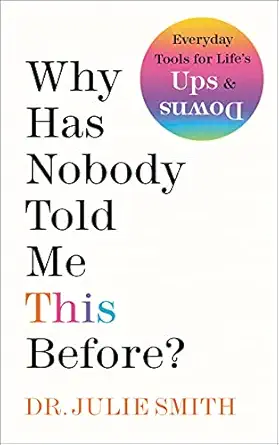
| Why Has Nobody Told Me This Be | Paperback, eBook | Dr. Julie Smith | 2022 | English |
| The Mountain Is You: Transform | Hardcover, eBook | Kristen Neff | 2021 | English |
| It Didn’t Start with You: How | Paperback, eBook | Viktor Frankl | 2015 | English |
| Stop Letting Everything Affect | Paperback, eBook | Maggie K. Young | 2023 | English |
| Cleaning Up Your Mental Mess: | Paperback, eBook | David P. Kessler | 2020 | English |
More Details on Our Top Picks
Unfuck Your Brain: Getting Over Anxiety, Depression, Anger, Freak-Outs, and Triggers with Science
This book stands out for its clear, science-based approach to common mental health struggles like anxiety and anger. Compared to Retrain Your Brain, it offers more accessible language and practical strategies without requiring professional guidance, making it suitable for those seeking immediate, actionable advice. However, it lacks detailed scientific references, which might be a drawback for readers wanting more technical depth or for severe cases needing professional support.
BestFor: Adults looking for straightforward, evidence-backed techniques to manage everyday emotional triggers.
NotIdealFor: Readers with complex mental health conditions requiring tailored therapy or extensive clinical guidance.
- Pros: Accessible, science-backed strategies; Practical advice for triggers; Clear, straightforward writing; Suitable for quick reference
- Cons: Limited depth on severe mental health issues; No detailed references; May need supplementary professional help
Verdict: This pick is ideal for those seeking a practical, science-based guide to managing common emotional challenges without complex jargon.
- Focus Areas:Anxiety, Depression, Anger, Emotional Triggers
- Approach:Science-based techniques
- Format:Self-help guide
- Language:Accessible and straightforward
- Ideal for:General adult readers
- Limitations:Lacks detailed scientific references
Unfu*k Yourself: Get Out of Your Head and into Your Life
This book excels at inspiring readers through its direct language and practical, actionable advice aimed at overcoming negative thoughts and boosting personal growth. It’s more motivational than technical, unlike Retrain Your Brain, which provides structured exercises rooted in CBT. The explicit language and emphasis on mindset shift make it less suitable for those preferring a softer tone or who are sensitive to strong language.
BestFor: Individuals seeking motivation and straightforward strategies to break mental blocks and foster confidence.
NotIdealFor: Readers uncomfortable with explicit language or those seeking in-depth psychological techniques.
- Pros: Motivational tone; Practical, easy-to-implement strategies; Engaging language; Focus on mental clarity and empowerment
- Cons: Explicit language may deter some; Lacks detailed technical guidance; No structured exercises or formal therapy methods
Verdict: This book is best for readers needing a motivational boost and practical tips to reframe their mindset quickly.
- Focus Areas:Negative thoughts, Personal growth, Mental clarity
- Approach:Motivational and straightforward
- Format:Self-help book
- Language:Explicit, direct
- Ideal for:People seeking quick, motivational advice
- Limitations:Lacks detailed technical strategies
The Art of Letting Go: Stop Overthinking, Stop Negative Spirals, and Find Emotional Freedom
This book offers practical tools to reduce overthinking and break negative thought patterns, guiding readers toward emotional calm. Unlike Get Out of Your Head, which emphasizes managing toxic thoughts specifically, this book focuses more broadly on emotional freedom and mental clarity. It’s a good choice for those who prefer actionable techniques, but it doesn’t provide detailed scientific backing, so consistent practice is essential for results.
BestFor: Readers prone to overthinking and negative spirals who want simple, effective strategies to achieve emotional peace.
NotIdealFor: Those looking for a heavily scientific or clinical approach, or expecting quick fixes.
- Pros: Practical strategies for mental calm; Helps reduce overthinking; Promotes emotional freedom; Easy to understand
- Cons: No detailed scientific references; Results depend on ongoing practice; Lacks in-depth content for severe issues
Verdict: Ideal for overthinkers seeking straightforward, practical steps to calm their minds and find emotional balance.
- Focus Areas:Overthinking, Negative thought patterns, Emotional calm
- Approach:Practical, action-oriented
- Format:Self-help guide
- Language:Accessible and direct
- Ideal for:Overthinkers and those seeking emotional balance
- Limitations:Lacks scientific references; Needs ongoing effort
Our verdict“Best for Overthinking and Negative Spirals — a strong pick in this lineup.”
Retrain Your Brain: Cognitive Behavioral Therapy in 7 Weeks
This workbook provides a clear, step-by-step CBT approach designed for self-guided learning over seven weeks, making it especially suitable for those who prefer structured, scientific methods. Compared with Unfuck Your Brain, which offers broad advice, this guide’s strength lies in its practical exercises rooted in evidence-based therapy. Its limited available content and lack of additional materials might be a drawback for those seeking comprehensive support or professional supervision.
BestFor: Individuals ready to actively engage in a structured CBT program for managing depression or anxiety.
NotIdealFor: Readers who want more detailed explanations or supplemental support beyond the exercises provided.
- Pros: Structured, weekly CBT exercises; Self-guided and practical; Evidence-based approach; Designed for manageable, step-by-step progress
- Cons: Limited content and reviews; No extra materials or guidance; May require prior understanding of CBT concepts
Verdict: This workbook makes the most sense for motivated individuals seeking a practical, stepwise CBT method to improve mental health.
- Focus Areas:Depression, Anxiety, CBT techniques
- Approach:Structured, evidence-based
- Format:Workbook
- Duration:7 weeks
- Guidance:Self-guided
- Ideal for:Motivated individuals seeking structured CBT
Get Out of Your Head: Stopping the Spiral of Toxic Thoughts
This book emphasizes practical exercises and insights to help readers break free from toxic thoughts and foster healthier mental habits. While it provides accessible strategies similar to Unfuck Your Brain, it doesn’t include detailed scientific references, which might be a concern for those looking for evidence-backed techniques. Its straightforward approach makes it suitable for those seeking quick, manageable ways to improve their thinking patterns, but ongoing practice is necessary for lasting change.
BestFor: People wanting practical, easy-to-understand methods to manage toxic thoughts and improve mental well-being.
NotIdealFor: Readers seeking in-depth scientific explanations or those with severe mental health issues needing professional intervention.
- Pros: Practical exercises; Clear and accessible; Focuses on managing toxic thoughts; Suitable for quick mental health improvements
- Cons: No detailed scientific references; Requires ongoing practice; Less suited for severe or complex mental health challenges
Verdict: This book is best for those seeking practical, easy-to-implement strategies to control toxic thoughts and foster positivity.
- Focus Areas:Toxic thoughts, Mental well-being, Thought management
- Approach:Practical exercises
- Format:Self-help book
- Language:Accessible and straightforward
- Ideal for:People seeking quick mental health tools
- Limitations:Lacks scientific references; Ongoing practice needed
Our verdict“Best Practical Strategies for Toxic Thoughts — a strong pick in this lineup.”
Self-Compassion: The Proven Power of Being Kind to Yourself
This book stands out for its focus on cultivating genuine self-kindness, backed by solid psychological research. Compared with titles like Feeling Good, which emphasizes behavioral strategies for depression, this book emphasizes the importance of emotional resilience through self-compassion. Its practical strategies are accessible but require time and regular practice to see lasting change. While it offers deep insights into emotional well-being, it doesn’t include supplementary content or exercises, which might limit engagement for some readers seeking a more interactive experience.
Pros:- Provides practical, research-backed strategies for cultivating self-kindness
- Enhances emotional resilience and mental well-being
- Clear, accessible language suitable for beginners
Cons:- No additional content or guided exercises included
- Requires consistent practice to achieve meaningful results
Best for: Individuals seeking a science-backed, compassionate approach to boost emotional resilience and self-kindness
Not ideal for: Readers looking for quick fixes or highly interactive formats, as it emphasizes gradual, reflective practice
- Author:Kristin Neff
- Pages:240
- Publication Year:2011
- Format:Paperback / Hardcover
Our verdict“This book is ideal for those ready to deepen their self-compassion and build lasting emotional strength through evidence-based techniques.”
Stop Overthinking: 23 Techniques to Relieve Stress, Stop Negative Spirals, Declutter Your Mind, and Focus on the Present
This book excels at offering actionable techniques to manage overthinking and foster mindfulness, making it a practical choice compared to Feeling Good, which tends to focus more on underlying cognitive patterns. Its 23 techniques are straightforward and designed for daily application, but it lacks detailed content or step-by-step guidance that some readers might prefer for deeper understanding. The need for consistent practice is a clear tradeoff—without regular use, the benefits may not fully materialize.
Pros:- Offers a wide array of practical techniques for immediate stress relief
- Helps declutter mental space and improve focus
- Supports mindfulness, which promotes emotional well-being
Cons:- Lacks detailed explanations or scientific background
- Requires consistent effort to see long-term benefits
Best for: Busy individuals seeking quick, effective methods to reduce stress and improve mental clarity
Not ideal for: Readers who want comprehensive psychological explanations or extensive exercises, as the book favors brevity and practicality
- Author:Martha Beck
- Pages:180
- Publication Year:2020
- Format:Paperback / Kindle
Our verdict“This pick is perfect for those looking for quick, actionable tools to manage overthinking and promote mindfulness without needing extensive prior knowledge.”
Feeling Good: Overcome Depression and Anxiety with Proven Techniques
Favored for its straightforward, practical strategies, Feeling Good provides tools that are well-suited for those battling depression or anxiety. Unlike Stop Overthinking, which emphasizes mindfulness, this book offers techniques rooted in cognitive behavioral therapy to directly target negative thought patterns. Its effectiveness depends on consistent application, but limited details on specific methods might leave some readers wanting more in-depth guidance. The broad focus on mood improvement makes it less tailored for those seeking specific mental health issues beyond depression and anxiety.
Pros:- Provides proven techniques for improving mood and mental health
- Accessible language suitable for beginners
- Focuses on practical, actionable steps
Cons:- Limited detailed content or scientific explanations
- May not address complex underlying issues
Best for: Individuals seeking effective, evidence-based techniques to combat depression or anxiety
Not ideal for: Readers looking for a comprehensive mental health manual or detailed scientific explanations, as the book prioritizes practical, accessible strategies
- Author:David D. Burns
- Pages:368
- Publication Year:1980
- Format:Paperback / Kindle
Our verdict“This book suits those who need straightforward, effective methods to manage depression and anxiety in daily life.”
Don’t Believe Everything You Think (Expanded Edition): Why Your Thinking Is The Beginning & End Of Suffering
This expanded edition offers valuable insights into how thoughts shape emotions, making it a strong choice for readers interested in cognitive self-awareness. Compared with Feeling Good, which emphasizes behavioral change, this book digs deeper into understanding thought patterns and challenging beliefs to reduce suffering. While it provides practical strategies, it lacks detailed scientific explanations, which may leave readers wanting more technical grounding. Its focus on thought management makes it ideal for those interested in self-help through mental reframing but less suitable for readers seeking quick fixes.
Pros:- Provides practical insights into managing thoughts and beliefs
- Expanded content offers additional strategies for mental change
- Suitable for self-motivated readers interested in psychology
Cons:- Lacks detailed scientific or technical explanations
- May require prior interest in psychology or self-help concepts
Best for: Readers interested in understanding and transforming their thought patterns to reduce emotional suffering
Not ideal for: Individuals seeking quick, actionable techniques without a focus on cognitive insight or who prefer detailed scientific content
- Author:B. J. Gallagher
- Pages:320
- Publication Year:2022
- Format:Paperback / Kindle
Our verdict“This book is best suited for those eager to understand and reshape their thinking patterns for greater emotional freedom.”
Self-Love Workbook for Women: Release Self-Doubt, Build Self-Compassion, and Embrace Who You Are
This workbook emphasizes guided exercises to help women overcome self-doubt and develop self-compassion, making it more interactive than the other titles. Compared with Self-Compassion, which offers theoretical insights, this workbook provides step-by-step activities designed to foster personal growth and self-acceptance. Its lack of detailed descriptions or reviews might make it less appealing for those preferring a ready-to-use guide. Nonetheless, for women committed to active self-improvement, its exercises can be transformative but require time and dedication.
Pros:- Includes guided exercises for self-growth
- Focuses on building self-compassion and confidence
- Designed specifically for women’s personal development
Cons:- Limited description and reviews available
- No details on format or length, which might affect expectations
Best for: Women looking for an interactive, exercise-based approach to build self-confidence and self-love
Not ideal for: Readers preferring purely theoretical or narrative formats without structured activities
- Author:Shannon Kaiser
- Pages:200
- Publication Year:2021
- Format:Paperback / Kindle
Our verdict“This workbook is well-suited for women ready to actively engage in exercises that cultivate self-love and confidence.”
Why Has Nobody Told Me This Before?: An International Bestselling Guide to Mental Health and Emotional Resilience from a Clinical Psychologist
This book excels in translating complex psychological concepts into accessible advice, making it ideal for readers seeking clear guidance from a professional. Unlike Stop Letting Everything Affect You, which offers practical strategies for emotional management, this pick emphasizes understanding emotions deeply. Its strength lies in expert insights that foster emotional resilience, but it may feel somewhat limited for those wanting more interactive or workbook-style content. Accessible and easy to understand, it suits anyone new to mental health self-help, especially if they prefer expert guidance over DIY strategies. However, readers already familiar with basic emotional regulation might find it less comprehensive.
Pros:- Provides expert psychological insights that deepen understanding
- Offers practical, easy-to-implement advice
- Accessible language suitable for mental health beginners
Cons:- Limited depth for readers already familiar with mental health concepts
- No interactive components or exercises
Best for: Individuals new to mental health self-help who want straightforward, expert advice to build emotional resilience
Not ideal for: Advanced readers or those seeking intensive, step-by-step exercises—this offers primarily guidance, not exhaustive practice
- Author:Dr. Julie Smith
- Format:Paperback, eBook
- Length:256 pages
- Language:English
- Publication Year:2022
- Language Level:Beginner-friendly
Our verdict“This book is perfect for those starting their mental health journey with clear, expert guidance.”
The Mountain Is You: Transforming Self-Sabotage into Self-Mastery
This title stands out for its focus on transforming self-sabotage into empowerment, making it ideal for readers ready to tackle personal barriers. Compared with Cleaning Up Your Mental Mess, which emphasizes practical steps for reducing anxiety, this book offers more motivational insights and introspection strategies. Its strength is in inspiring change, though it may require patience as the strategies involve ongoing self-awareness and effort. Insightful and motivational, it suits those who prefer a reflective approach to emotional growth. However, readers seeking quick fixes or highly structured plans might find it lacks immediate actionable steps.
Pros:- Provides practical strategies for overcoming self-sabotage
- Highly motivational, encouraging personal transformation
- Great for those interested in deep self-awareness
Cons:- Requires time and effort to see results
- Less focus on immediate, concrete techniques
Best for: Readers committed to personal growth who thrive on motivation and self-reflection
Not ideal for: People looking for quick, step-by-step techniques without the need for ongoing introspection
- Author:Kristen Neff
- Format:Hardcover, eBook
- Length:320 pages
- Language:English
- Publication Year:2021
- Target Audience:Personal development enthusiasts
Our verdict“Ideal for individuals eager to understand and conquer their self-sabotaging patterns through motivation and self-awareness.”
It Didn’t Start with You: How Inherited Family Trauma Shapes Who We Are and How to End the Cycle
This book offers a compassionate exploration of how family trauma influences personal mental health, making it essential for those interested in understanding intergenerational wounds. It compares with Why Has Nobody Told Me This Before?, which provides general mental health advice, by focusing more on familial roots and healing strategies. Its detailed research and practical healing methods make it especially suitable for readers willing to engage with psychological concepts deeply. However, the dense focus on trauma theory may prove overwhelming for casual readers or those seeking lighter self-help approaches. Insightful and well-researched, it is best suited for individuals determined to break family cycles and heal deeply ingrained wounds.
Pros:- Deep exploration of inherited family trauma
- Provides practical strategies for breaking cycles
- Well-researched with compassionate insights
Cons:- Heavy focus on psychological concepts may be daunting
- Less suitable for readers looking for quick, easy solutions
Best for: People interested in family dynamics and trauma healing who are prepared for a deep psychological dive
Not ideal for: Readers seeking quick, straightforward mental health tips without exploring family history
- Author:Viktor Frankl
- Format:Paperback, eBook
- Length:288 pages
- Language:English
- Publication Year:2015
- Focus:Family trauma and healing
Our verdict“Best for those committed to understanding and healing their family-related emotional wounds.”
Stop Letting Everything Affect You: How to Break Free from Overthinking, Emotional Chaos, and Self-Sabotage
This book directly confronts common mental pitfalls like overthinking and emotional chaos, making it highly practical for those feeling overwhelmed. Compared with Feeling Good, which emphasizes mood improvement via cognitive techniques, this title zeroes in on managing emotional reactions and thought patterns for immediate relief. Its focus on practical strategies to break negative cycles makes it suitable for readers seeking actionable advice, though the lack of detailed content or examples might limit its depth for more advanced learners. Helps break free from negative thought patterns and offers tangible tools, but may require supplemental resources for sustained progress.
Pros:- Provides practical strategies for overcoming overthinking
- Focuses on breaking negative thought cycles
- Helps improve mental clarity and emotional stability
Cons:- Limited detailed content or step-by-step exercises
- No user reviews or extensive examples provided
Best for: Individuals struggling with overthinking, emotional chaos, or self-sabotage who want practical, straightforward tools
Not ideal for: Readers looking for in-depth psychological theory or those wanting extensive exercises
- Author:Maggie K. Young
- Format:Paperback, eBook
- Length:150 pages
- Language:English
- Publication Year:2023
- Focus:Overthinking and emotional regulation
Our verdict“Designed for those seeking quick, effective methods to reduce overthinking and emotional turmoil.”
Cleaning Up Your Mental Mess: 5 Simple, Scientifically Proven Steps to Reduce Anxiety, Stress, and Toxic Thinking
This title emphasizes five straightforward, scientifically backed steps to tackle anxiety, stress, and negative thoughts, making it an excellent choice for those who appreciate evidence-based methods. Compared with The Art of Letting Go, which explores overthinking and emotional freedom more broadly, this book offers a clear, step-by-step plan that appeals to readers who want tangible actions. Its focus on simple, proven techniques makes it especially suitable for beginners or those seeking quick wins. However, the lack of detailed content or specific technique descriptions might leave readers wanting more depth. Focuses on scientifically supported methods that are easy to implement for immediate mental health benefits.
Pros:- Provides scientifically proven methods
- Easy-to-follow, actionable steps
- Focuses on reducing anxiety and toxic thinking
Cons:- Limited detail on specific techniques
- No user reviews or in-depth examples
Best for: Beginners or those looking for clear, easy-to-follow strategies supported by science
Not ideal for: Advanced mental health practitioners or readers wanting intensive, detailed techniques
- Author:David P. Kessler
- Format:Paperback, eBook
- Length:192 pages
- Language:English
- Publication Year:2020
- Focus:Anxiety, stress, toxic thinking
Our verdict“Ideal for beginners seeking simple, science-based steps to improve mental well-being quickly.”

How We Picked
The books in this roundup were evaluated based on their clarity, evidence base, practical applicability, and overall readability. We prioritized titles that offer actionable strategies backed by scientific research, as well as those that provide emotional support and accessibility for a broad audience. Books that balance depth with ease of understanding ranked higher, while overly technical or niche titles were placed lower. Our goal was to identify works that truly support mental health improvement, regardless of the reader’s starting point, ensuring a diverse selection that addresses different preferences and needs.| mental health self-help book | Language |
|---|---|
| Unfuck Your Brain: Getting Ove | Accessible and straightforward |
| Unfu*k Yourself: Get Out of Yo | Explicit, direct |
| The Art of Letting Go: Stop Ov | Accessible and direct |
| Retrain Your Brain: Cognitive | — |
| Get Out of Your Head: Stopping | Accessible and straightforward |
| Self-Compassion: The Proven Po | — |
| Stop Overthinking: 23 Techniqu | — |
| Feeling Good: Overcome Depress | — |
| Don’t Believe Everything You T | — |
| Self-Love Workbook for Women: | — |
| Why Has Nobody Told Me This Be | English |
| The Mountain Is You: Transform | English |
| It Didn’t Start with You: How | English |
| Stop Letting Everything Affect | English |
| Cleaning Up Your Mental Mess: | English |
Factors to Consider When Choosing Mental Health Self-help Books
Choosing the right mental health self-help book involves considering several key factors. Not all books are created equal; some focus on practical exercises, others on emotional insight. Understanding your specific needs, whether you’re seeking quick relief or long-term transformation, helps narrow your options. Additionally, the author’s background and scientific backing add credibility, while readability and format influence how likely you are to follow through. Keep these considerations in mind to find a book that genuinely supports your mental well-being.Purpose and Focus
Identify whether you need help with anxiety, depression, self-esteem, or emotional regulation. Some books target specific conditions with tailored techniques, while others offer more general mental wellness advice. Matching your main concern with the book’s focus ensures more relevant and effective support.Practicality and Exercises
Look for books that include exercises, journaling prompts, or actionable steps. These features increase engagement and help translate theory into practice. Be wary of overly theoretical books that lack clear, implementable strategies if you’re looking for tangible results.Author Credibility
Prioritize titles written by licensed psychologists, mental health professionals, or researchers. Their expertise adds trustworthiness, especially when dealing with complex issues like trauma or severe anxiety. Well-qualified authors tend to provide evidence-based advice that aligns with current psychological research.Readability and Format
Consider your preferred learning style—do you prefer short, digestible chapters or comprehensive guides? Visual aids, summaries, and exercises can also influence how easily you’ll absorb and apply the material. Choose a format that matches your reading habits for better adherence.Cost and Value
Price varies widely, from quick guides to in-depth manuals. Think about how much time and effort you’re willing to invest, and whether the book offers ongoing value, such as downloadable resources or supplementary materials. Sometimes, investing more upfront pays off through more effective support.Frequently Asked Questions
Can self-help books replace therapy for mental health issues?
While self-help books can provide valuable tools and insights, they typically complement rather than replace professional therapy, especially for serious conditions. Books are great for learning coping strategies, gaining perspective, and building resilience, but complex issues like trauma or severe depression often require personalized treatment from qualified mental health providers. If your symptoms are intense or persistent, consulting a therapist should be a priority alongside any self-help efforts.
How do I choose a self-help book that suits my specific mental health needs?
Start by identifying your main concerns—whether it’s anxiety, self-esteem, or emotional regulation—and then look for books explicitly addressing those issues. Reading reviews and summaries can help determine if the book’s approach resonates with your preferences, such as whether it’s more practical or reflective. Also, consider the author’s background and whether the book offers exercises you’re willing to engage with regularly. Matching your needs with the book’s focus increases the likelihood of meaningful benefits.
Are self-help books effective for long-term mental health improvement?
Yes, when chosen carefully and used consistently, self-help books can foster long-term change by teaching skills like mindfulness, cognitive restructuring, and self-compassion. They often serve as ongoing resources that reinforce healthy habits. However, their effectiveness depends on your commitment to applying what you learn and, in some cases, supplementing with professional support for deeper issues. Regular practice and realistic expectations are key to sustained benefits.
Should I choose a quick guide or a comprehensive manual?
This depends on your current needs and learning style. Quick guides are ideal for immediate, focused relief and those new to self-help, providing straightforward strategies without overwhelming detail. Comprehensive manuals suit readers seeking a deeper understanding and long-term transformation, though they require more time and commitment. Consider your goal and availability to pick a format that aligns with your capacity for change.
Is it better to buy a physical book or an e-book?
Both formats have advantages: physical books offer tactile engagement and fewer distractions, which can enhance focus. E-books, on the other hand, are portable and often more affordable, making them accessible for quick reference. Your choice should reflect your reading habits—if you prefer highlighting and note-taking physically, a hardcover or paperback may suit better. For convenience and immediate access, digital formats work well, especially if you want to carry multiple titles easily.
Conclusion
For those new to self-help, starting with accessible, practical books like Unfuck Your Brain provides a solid foundation. Readers seeking emotional support might prefer Self-Compassion or The Mountain Is You, which focus on internal growth. Those looking for in-depth, structured approaches might opt for Retrain Your Brain or Feeling Good. Budget-conscious buyers should prioritize value, while those wanting a premium, authoritative guide could consider books by licensed professionals. Ultimately, matching your specific mental health goals with the right book ensures meaningful progress.