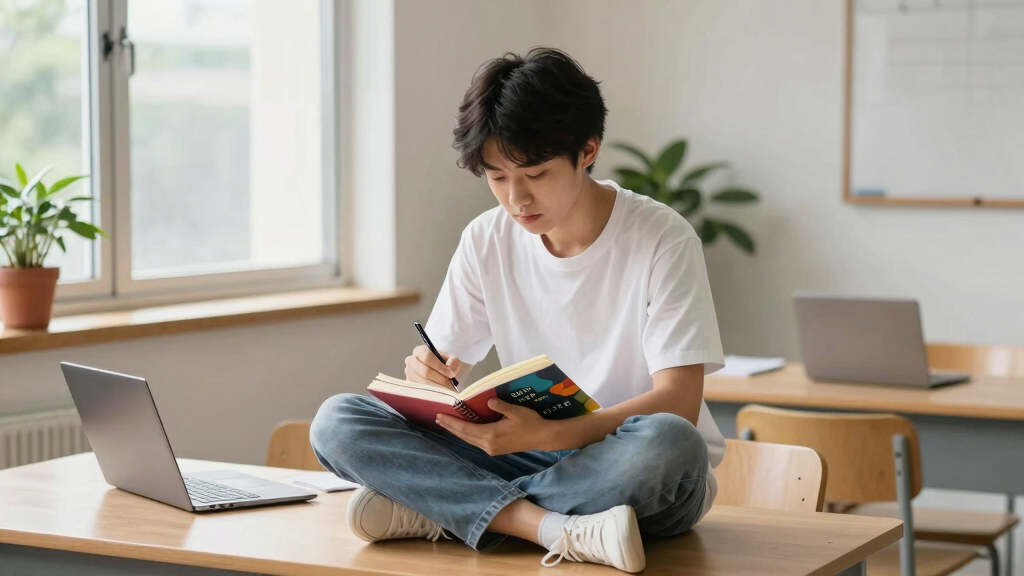

Finding the right mindfulness journal for students involves balancing engaging prompts, ease of use, and affordability. The best overall pick is I Am Here Now: A Creative Mindfulness Guide and Journal for its versatile approach combining creativity and reflection. For those seeking a more straightforward option, Do One Thing Every Day That Centers You offers simple daily practices that cultivate mindfulness without overwhelming. The main tradeoffs in this category include choosing between more comprehensive guides versus more streamlined, quick-entry journals. Keep reading to explore these options in detail and find the best fit for your needs.
Key Takeaways
- The top journals balance engaging prompts with simplicity to encourage consistent use.
- Creative elements like coloring or drawing can enhance mindfulness but may not suit all students.
- Price varies widely; premium journals often include additional features like keepsake quality or guided exercises.
- Some journals are tailored specifically for younger students, while others suit older teens and adults.
- Ease of use and clarity of prompts are key factors that differentiate effective journals from less usable options.


More Details on Our Top Picks
I Am Here Now: A Creative Mindfulness Guide and Journal
This journal stands out for blending mindfulness exercises with creative prompts, making it suitable for a wide range of students seeking to cultivate awareness through artistic expression. Unlike more straightforward journals, it actively encourages self-exploration without requiring advanced skills, though its lack of detailed specifications might leave some unsure about how structured the activities are. Its strength lies in fostering both mindfulness and creativity, which can appeal to students who favor a more interactive approach. The main tradeoff is that consistent commitment is needed to see meaningful benefits, as the journal does not offer guided routines. Compared with options like Do One Thing Every Day That Centers You, this journal provides more varied activities, but it may not appeal to students looking for a purely practical or minimalist tool.
Pros:- Encourages mindfulness and self-awareness through creative activities
- Includes diverse prompts that engage different learning styles
- Suitable for all skill levels, from beginners to more experienced users
Cons:- No detailed specifications or structured routines, which might reduce clarity for some users
- Requires regular, dedicated effort to achieve noticeable progress
Best for: Students who enjoy creative activities and want a flexible, engaging mindfulness resource.
Not ideal for: Students seeking highly structured routines or detailed guidance on mindfulness techniques, as this journal offers open-ended prompts instead of step-by-step instructions.
- Suitable Age Range:All skill levels
Our verdict“This journal is ideal for students who want a creative, flexible approach to mindfulness that fosters self-awareness and artistic expression.”
Mindful or Mind Full: Student Edition – A Mindfulness Journal for Students Balancing Life and Learning
This journal targets students who need practical tools to manage stress and maintain balance amid busy schedules. It offers prompts and exercises designed to foster mindfulness in everyday life, making it more focused on stress reduction than deep self-exploration compared to I Am Here Now. However, the lack of detailed features and absence of customer reviews leave some uncertainty about its effectiveness or specific content. Its straightforward approach makes it accessible for students new to mindfulness, but those looking for comprehensive guidance or structured programs might find it lacking. Compared to Do One Thing Every Day That Centers You, it emphasizes student-specific challenges, but without clear content details, it’s harder to assess its depth.
Pros:- Supports stress management tailored for students
- Encourages ongoing mindfulness and self-awareness
- Provides practical prompts to incorporate mindfulness into daily routines
Cons:- Limited information on the actual content and features
- No customer reviews or ratings to gauge effectiveness
Best for: Students feeling overwhelmed and seeking simple, practical tools to stay balanced.
Not ideal for: Students who want a detailed, structured mindfulness program or who prefer guided techniques, as this offers only general prompts without specific instructions.
- Target Audience:Students balancing school and personal life
Our verdict“This journal suits students looking for straightforward, stress-reducing mindfulness exercises without the need for extensive guidance.”
S&S Worldwide Teen Gratitude Journal Class Pack, 100 pages, Daily Prompts, Cover to Color, Inspiring Quotes, for Self-Esteem, Positive Thinking, Mindfulness, Resilience, Ages 12 and up, 6″x9″, Pack of 12
This pack is perfect for classrooms or groups aiming to foster gratitude, resilience, and positivity among teens. Its combination of coloring activities on the cover and daily prompts with inspiring quotes makes it particularly appealing to visually-oriented teens who enjoy creative reflection. Compared with individual-focused journals like Happy Confident Me, this pack offers a cost-effective way to implement mindfulness activities across multiple students, though it might be too simple for teens seeking more advanced journaling or deeper emotional work. The heavy-duty paper and durable cover support daily use, but the focus on age 12+ limits its appeal for younger children or older teens looking for more sophisticated content.
Pros:- Encourages creativity with coloring and motivational quotes
- High-quality, durable paper suitable for daily use
- Cost-effective pack for group or classroom settings
Cons:- May be too simple for teens seeking advanced journaling or emotional work
- Limited age range—primarily suited for 12 and up
Best for: Teachers or group leaders seeking a versatile, engaging mindfulness tool for multiple teens.
Not ideal for: Individual students wanting a personalized, in-depth journal, as this is designed for group settings and might lack customized depth.
- Pages per Journal:100
- Size:6″x9″
- Pack Size:12
- Paper Quality:Heavyweight 80# paper
- Cover Material:Cardstock
Our verdict“This teen gratitude journal pack is ideal for educators or youth leaders looking to promote positive thinking through creative, group-oriented activities.”
Happy Confident Me: Daily Journal for Children
This journal is tailored for children, emphasizing gratitude, growth mindset, and positive thinking to boost happiness and resilience. Its daily prompts are designed to cultivate self-esteem and emotional growth, making it a good match for younger students or children new to journaling. Compared to the more creative or group-based options, Happy Confident Me offers a straightforward approach focused on emotional development, but the lack of detailed content or format information might leave parents or educators uncertain about its depth. It’s especially suited for early elementary or middle-grade students who need simple, consistent encouragement. For teens seeking more complex or reflective journaling, this might feel too basic.
Pros:- Promotes gratitude and positive thinking in children
- Helps build self-esteem and resilience
- Supports emotional growth and mindfulness development
Cons:- Lacks detailed content descriptions and format info
- May be too simplistic for older or more experienced students
Best for: Parents or educators seeking a gentle, confidence-building journal for children new to mindfulness and positive reflection.
Not ideal for: Older students or teens wanting in-depth, expressive journaling or advanced mindfulness techniques, as this is geared toward younger children with simple prompts.
- Intended Age:Children
Our verdict“This journal is best suited for young children beginning their journey into mindfulness and emotional awareness.”
Do One Thing Every Day That Centers You: A Mindfulness Journal
This journal emphasizes daily reflection to help users stay centered and reduce stress, making it a straightforward choice for students needing a simple mindfulness routine. Compared with I Am Here Now or Happy Confident Me, this pick offers fewer creative elements, focusing instead on consistent daily entries that promote mindfulness through reflection. Its simplicity can be a double-edged sword: ideal for students who want minimal guidance, but possibly lacking for those seeking detailed prompts or techniques. The absence of specific mindfulness exercises or guidance means it relies heavily on the user’s motivation to stay consistent. It’s well-suited for students who prefer a no-fuss, daily habit rather than elaborate activities.
Pros:- Encourages daily mindfulness and reflection
- Simple, easy-to-use format suitable for busy students
- Promotes stress reduction through regular practice
Cons:- Lacks detailed features or guidance on specific techniques
- No prompts or instructions, relying on user self-direction
Best for: Students looking for a minimal, daily mindfulness practice to support ongoing stress reduction and focus.
Not ideal for: Students wanting structured activities or explicit mindfulness techniques, as this journal offers only space for personal reflection without detailed prompts.
- Pages:Not specified
- Size:Not specified
Our verdict“This journal suits students seeking a straightforward, daily habit to cultivate mindfulness and reduce stress without added complexity.”
The Mindfulness Journal: Daily Practices, Writing Prompts, and Reflections for Living in the Present Moment
This journal stands out for its structured approach to integrating mindfulness into daily routines, making it ideal for students committed to regular practice. Unlike the Mindfulness Journal, which offers more flexible prompts, this one provides a consistent framework that can help develop habits over time. Its focus on daily practices and reflections supports mental well-being, but it requires consistent effort, which might be a challenge for less motivated students. The lack of detailed content descriptions means you need to trust its general approach rather than specific features. Overall, this pick makes the most sense for students seeking a comprehensive daily mindfulness tool that emphasizes routine and personal growth.
Pros:- Encourages consistent daily mindfulness and reflection
- Supports mental well-being through structured prompts
- Facilitates personal growth with reflective exercises
Cons:- Lacks detailed information on specific content and features
- Requires disciplined effort to see long-term benefits
Best for: Students who want a structured, daily mindfulness routine and are willing to commit to regular journaling.
Not ideal for: Students preferring a casual, less regimented approach or those seeking detailed content insights upfront.
- Number of Pages:Unknown
- Format:Paperback
- Dimensions:Unknown
- Language:English
- Intended Audience:Students
- Publisher:Unknown
Our verdict“A solid choice for students dedicated to establishing a daily mindfulness habit with structured guidance.”
Mindfulness Journal
Compared with the No Worries: An Inspirational Mindfulness Journal, this journal offers a straightforward, compact design that’s perfect for students on the go. Its emphasis on daily entries and prompts encourages regular mindfulness practice, though the absence of detailed content descriptions makes it harder to gauge its depth. Its portable size appeals to students who need a quick, accessible tool for reflection, but it might lack the richness of more elaborate journals. If you prioritize simplicity and ease of carrying, this journal makes sense; however, students seeking more guided or extensive content may find it limited.
Pros:- Compact and easy to carry
- Encourages daily mindfulness practice
- Includes helpful prompts for self-reflection
Cons:- Lacks detailed content description and page count
- Limited information on additional features
Best for: Students seeking a simple, portable journal for daily mindfulness and self-reflection.
Not ideal for: Students who want detailed prompts or a more comprehensive mindfulness program, as it offers limited content info.
- Pages:Unknown
- Size:Unknown
- Format:Paperback
- Language:English
- Target Age:Students
- Publisher:Unknown
Our verdict“Ideal for students needing a lightweight, straightforward journal for daily mindfulness on the move.”
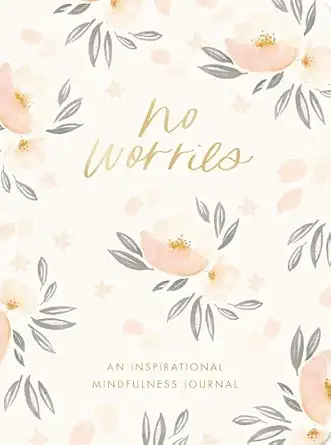
No Worries: An Inspirational Mindfulness Journal
This journal emphasizes positivity and inspiration, making it a good choice for students who thrive on encouragement and visual reflection spaces. Compared with the Gratitude Journal for Women, which is tailored for a more specific audience and has a more elegant design, No Worries offers a more general, uplifting approach suitable for any student. Its focus on daily thoughts, gratitude, and mindfulness exercises promotes mental well-being, but the lack of detailed specs or additional features means it’s more of a basic reflection space. It’s best suited for students who want a simple, positive outlet without extra bells and whistles.
Pros:- Encourages daily mindfulness and positivity
- Provides ample space for personal reflection
- Inspires mental well-being through uplifting prompts
Cons:- Lacks detailed product specifications
- No additional features or accessories included
Best for: Students looking for a positivity-focused journal to inspire daily reflection and mental well-being.
Not ideal for: Students wanting detailed content, structured programs, or specific features beyond space for thoughts and gratitude.
- Pages:Unknown
- Dimensions:Unknown
- Format:Paperback
- Language:English
- Audience:General, students
- Publisher:Unknown
Our verdict“A good fit for students seeking a simple, positive journal to foster daily mindfulness and gratitude.”
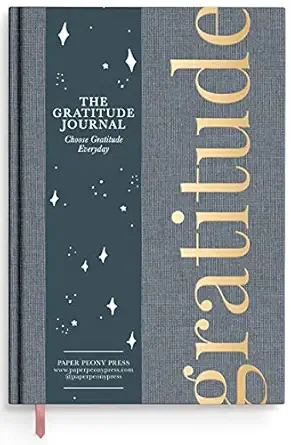
Gratitude Journal for Women: A Daily 5-Minute Guide for Mindfulness, Positivity, Affirmation, and Self-Care (Premium Keepsake Edition)
Compared to the No Worries journal, this edition targets women with a focus on quick, daily self-care and affirmation, making it perfect for students who prefer a brief, elegant practice. Its 5-minute daily format appeals to busy students who want a manageable routine, but the lack of detailed content descriptions or extra features may limit its versatility. The beautiful keepsake design adds value for those who appreciate aesthetics and a sense of specialness, though it might not provide as much depth as more comprehensive journals. This choice makes sense for students who want a stylish, time-efficient mindfulness routine focused on positivity and gratitude.
Pros:- Encourages daily mindfulness in just five minutes
- Beautiful, keepsake-quality design
- Promotes positivity and self-care through prompts
Cons:- Limited content details and features
- May feel too brief for those wanting deeper reflection
Best for: Women students seeking a quick, stylish, daily self-care and mindfulness practice.
Not ideal for: Students who desire extensive content, guided exercises, or in-depth reflection tools beyond brief prompts.
- Pages:Unknown
- Dimensions:Unknown
- Format:Hardcover
- Language:English
- Target Audience:Women students
- Publisher:Unknown
Our verdict“Perfect for women students who want a quick, elegant way to incorporate mindfulness into busy days.”
How We Picked
We evaluated each mindfulness journal based on several key criteria: the quality and relevance of prompts, ease of use, overall build quality, and value for price. We prioritized products that encourage consistent practice, especially for students with busy schedules or varying interest levels. Durability and aesthetic appeal also played roles, as engaging design can motivate ongoing use. Our ranking reflects a balance between comprehensive content and accessibility, ensuring options suit different age groups and familiarity with mindfulness practices.Factors to Consider When Choosing Mindfulness Journals For Students
Choosing the right mindfulness journal for students involves considering several factors that influence how effectively the journal supports their mental well-being. It’s important to understand what features make some journals more engaging and sustainable for young users. Beyond price, look at how prompts are structured, the journal’s design, and its overall ease of integration into daily routines. Being aware of potential pitfalls, such as overly complex layouts or generic prompts, can help you make a more informed decision.Prompt Quality and Engagement
Effective prompts should inspire genuine reflection without feeling burdensome. Look for journals that balance open-ended questions with specific activities, encouraging students to explore their thoughts and feelings. Journals with creative elements—like drawing spaces or coloring pages—can boost engagement but may also distract from consistent practice if not integrated well. Consider the student’s personality; some prefer straightforward prompts, while others enjoy more artistic options.
Ease of Use and Layout
Journals that are too cluttered or complicated can deter regular use, especially for younger students. Clear, simple layouts with prompts that are easy to understand promote daily habit formation. Check if the journal offers enough space for writing and if the design guides users smoothly through their mindfulness practice. Avoid overly sparse options that lack sufficient guidance, as they may not provide enough structure for beginners.
Durability and Materials
Materials matter when it comes to keeping a journal accessible and inviting over time. Look for sturdy covers and quality paper that withstand frequent handling. If the journal is meant for daily use, durability can extend its lifespan, making it a better value. However, premium materials often come at a higher cost, so consider whether the investment aligns with your budget and the student’s commitment.
Price and Value
While more expensive journals may offer additional features like guided exercises or special design elements, they aren’t always necessary for effective mindfulness practice. Balance your budget against the features you value most. For casual or beginner users, less costly options can be just as effective, whereas dedicated students or those seeking a keepsake may benefit from investing in premium editions.
Target Age and Personalization
Not all journals suit every age group. Younger students often respond better to colorful, playful designs, while teens and adults may prefer minimalist or sophisticated styles. Some journals include customizable prompts or themes, which can make the experience more personal and relevant. Ensuring the journal aligns with the user’s maturity and interests increases the likelihood of sustained engagement.
Frequently Asked Questions
Should I choose a guided or unguided mindfulness journal for students?
Guided journals typically feature prompts and exercises that help students stay focused and develop a routine. They are especially helpful for beginners or those who need more structure, making mindfulness easier to adopt. Unguided journals, on the other hand, offer more flexibility, allowing students to explore their thoughts freely, which can be beneficial for more experienced users or those seeking creative expression. Consider the student’s familiarity with mindfulness and their preferred style of reflection when choosing between the two.
Are creative elements like coloring necessary for an effective mindfulness journal?
Creative elements such as coloring pages or doodling spaces can enhance engagement and make mindfulness feel more approachable, especially for younger students. These features support relaxation through artistic expression, which can deepen the mindfulness experience. However, they are not essential; some students may find them distracting or prefer straightforward prompts. The choice depends on the individual’s learning style and interest in creative activities.
What should I look for in a mindfulness journal for a busy student?
For busy students, simplicity and brevity are key. Look for journals with short, focused prompts that can be completed in five minutes or less, fitting easily into a hectic schedule. Clear layout and minimal setup required also help maintain consistency. Journals that encourage daily reflection without overwhelming the user are more likely to be integrated into their routine, fostering ongoing mindfulness practice.
Is it better to choose a physical journal or a digital one?
Physical journals often encourage more tangible engagement and reduce screen time, which can be beneficial for mental health. They also provide a tactile experience that many find more meaningful. Digital options, however, can be more portable and may include interactive features like reminders or prompts. The best choice depends on the student’s preferences, habits, and whether they respond better to physical or digital formats.
How do I ensure a mindfulness journal remains engaging over time?
Choosing a journal with varied prompts, artistic elements, or customizable sections can help sustain interest. Setting a consistent routine and encouraging reflection on different aspects of life also keeps the practice fresh. Additionally, selecting a journal that aligns with the student’s evolving interests or maturity level can make mindfulness feel more relevant and enjoyable over the long term.
Conclusion
For parents and educators seeking a comprehensive and engaging option, I Am Here Now stands out as the best overall choice, thanks to its creative prompts and versatility. Budget-conscious buyers will appreciate the value offered by the S&S Worldwide Teen Gratitude Journal Class Pack, which combines affordability with meaningful content. If you’re looking for a luxurious, keepsake-quality journal, the Gratitude Journal for Women offers a premium experience, suitable for older teens or adults. Beginners and those new to mindfulness should consider simpler options like Do One Thing Every Day That Centers You, which provides straightforward, daily practices. Ultimately, your choice should match the user’s age, experience level, and personal preferences to foster a consistent mindfulness habit.