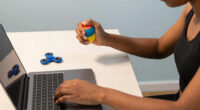
This guide provides step-by-step instructions for students to select, use, and care for stress relief toys. It aims to help reduce anxiety, improve focus, and manage stress during study or exam periods. Suitable for beginners, this process takes approximately 30 to 45 minutes.
Difficulty: Beginner | Time: 30-45 minutes
What You’ll Need
Tools & Materials:
- various stress relief toys (e.g., stress balls, fidget spinners, putty, sensory rings)
Knowledge:
- basic understanding of personal stress triggers
- ability to follow simple instructions
Having a quiet space free from distractions enhances effectiveness. Prepare a clean, comfortable area for testing different toys.

24 Pack Slow Rising Stress Cube , Dough Stress Balls Soft Fidget Squishy Toys for Anxiety Relief, Pull Stretch Classroom Prize Party Favors Toys for Kids
- Set Size: 24 Mini Slow Rising Cubes
- Sensory Experience: Calming, elastic, easy to manipulate
- Stress Relief: Squeezing and stretching relieves stress
As an affiliate, we earn on qualifying purchases.
As an affiliate, we earn on qualifying purchases.
Before You Start
Ensure your hands are clean and dry before handling toys to prevent damage or dirt buildup. Check for any allergies or sensitivities to materials used in the toys. Have a timer or clock nearby to monitor usage time.

VISCOO 4 Pack Stress Cube,Slow Rising Ice Cube Stress Balls for Adults Kids
- Set Includes Four Vibrant Cubes: Blue, pink, purple, green in gift box
- Safe, Durable, Non-Toxic Material: Made of stretchy TPR for long-lasting use
- Slow Rising, Satisfying Feel: Soft, malleable stress relief cubes
As an affiliate, we earn on qualifying purchases.
As an affiliate, we earn on qualifying purchases.
Step-by-Step Instructions
Step 1: Select appropriate stress relief toys
Choose 2-3 different types of stress relief toys such as a stress ball, fidget spinner, or putty. Consider your preferences for texture, noise, and size to find what feels most calming.
Tip:
Start with simple, portable toys that are easy to use discreetly in class or study sessions.
Check:
You have selected at least two toys that you feel comfortable handling and that seem appealing to try.
Step 2: Test each toy for comfort and effectiveness
Use each toy individually for 2-3 minutes. Focus on how it feels in your hand, how it helps manage your stress, and whether it improves your focus.
Tip:
Note which toys provide the most relief and are easiest to use during stressful moments.
Check:
You identify at least one toy that you find calming and easy to handle during stressful times.
Step 3: Practice using your selected stress relief toy
Use your chosen toy during short study breaks or moments of anxiety to get comfortable with its use. Experiment with different grips or motions if applicable.
Tip:
Set a timer for 5-10 minutes to practice regularly, so the toy becomes part of your stress management routine.
Check:
You are able to use the toy comfortably for at least 5 minutes without discomfort or distraction.
Step 4: Maintain and clean your stress relief toys
Regularly clean toys according to manufacturer instructions—wipe with a damp cloth or wash if applicable. Store toys in a clean, dry place when not in use.
Tip:
Proper maintenance extends the lifespan of your toys and keeps them hygienic.
Check:
Your toys are clean, dry, and in good condition, ready for use whenever needed.

6 Set Squishy Sensory Stress Squeezing Balls for Adults
- Variety of 6 Unique Stress Balls: Different colors, textures, and fillings
- Stress Relief and Focus Enhancement: Reduces stress, improves concentration
- Soft, Durable, Safe Material: High-quality thermoplastic rubber
As an affiliate, we earn on qualifying purchases.
As an affiliate, we earn on qualifying purchases.
Common Mistakes to Avoid
- Using toys that are too large or heavy to handle comfortably. — Select lightweight, appropriately sized toys that fit well in your hand and are easy to manipulate.
- Ignoring hygiene, leading to dirty or damaged toys. — Clean toys regularly and inspect for wear or tears; replace damaged items promptly.
- Overusing toys, causing distraction or fatigue. — Use toys in moderation, such as during designated breaks, and limit use to manageable time frames.

Compression Keyboard Clicker, Clicker Keyboard Keychain with Satisfying Click Sound, Portable Stress Relief Gadget for Adults, Desk Accessories, Mechanical Keyboard Lovers, Party Favor Gifts-3 Pack
- Mechanical Keyboard Feel: Satisfying tactile press and click sound
- Portable Keychain Design: Lightweight and attaches to bags or keys
- Durable & Customizable: High-quality materials with removable parts
As an affiliate, we earn on qualifying purchases.
As an affiliate, we earn on qualifying purchases.
Troubleshooting
Problem: Toys are not providing relief or are causing more distraction.
Solution: Try different types of toys or adjust the way you handle them; consider limiting usage duration.
Problem: Toys are dirty or damaged.
Solution: Clean toys thoroughly or replace damaged ones to maintain hygiene and functionality.
Problem: Using toys in inappropriate settings (e.g., noisy or disruptive).
Solution: Choose quiet, discreet toys and use them in private or designated spaces to avoid disturbing others.
What Success Looks Like
You can comfortably handle your stress relief toy during study or stressful moments, and it effectively reduces your anxiety and improves focus. The toy remains clean and in good condition after regular use.
Next Steps
Incorporate your preferred stress relief toys into your daily routine, especially during study breaks or before exams. Continue to clean and inspect your toys regularly. Explore additional stress management techniques if needed, such as mindfulness or breathing exercises.
Frequently Asked Questions
How many stress relief toys should I have?
Start with 2-3 different toys to see which work best for you. You can add more over time if desired.
Can I use the same toy every day?
Yes, but ensure regular cleaning and inspection to maintain hygiene and functionality.
Are there toys that are better for certain types of stress?
Yes, sensory toys like putty or textured rings can help with tactile stimulation, while fidget spinners are good for visual and motor engagement. Choose based on your stress type and preference.
Can stress relief toys replace other stress management methods?
They can be part of your toolkit but should complement other techniques like breathing exercises or time management.