TL;DR

Turn your wind-down time into listening time
- Thousands of audiobooks, podcasts and originals
- Listen on your phone, tablet or Echo — also offline
- Cancel anytime
A Fit&Well writer says the Royal Osteoporosis Society’s free online bone checker highlighted risk factors they had not considered, including a past fracture after a minor impact. The tool can suggest whether someone may benefit from professional advice, but it does not diagnose osteoporosis.
A free online bone-health assessment from the Royal Osteoporosis Society (ROS) prompted a Fit&Well writer to reconsider their osteoporosis risk after it flagged a previous fracture following a minor impact. The tool is intended to help users assess possible risk and decide whether to seek in-person advice; it does not establish a diagnosis.
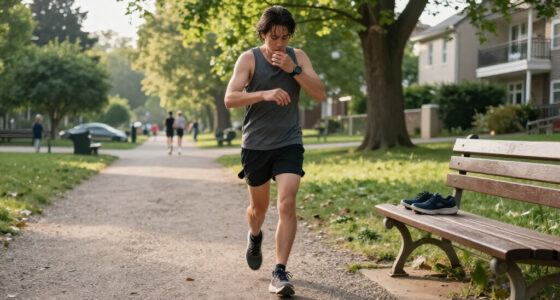
The writer said they were 39, physically active and taking vitamin D, and had expected to receive a low-risk result. Instead, the ROS checker drew attention to several factors, including age, sex, ethnicity, low body mass index and personal or family history of fractures. The report says the writer’s hand fracture occurred about five years earlier after a collision with a fence during a soccer game.
The ROS tool explains that a broken bone after a minor bump may merit discussion with a health professional, though not every fracture signals poor bone health. ROS representative Julia Thomson told Fit&Well that the assessment can help users consider whether a fuller fracture-risk assessment or other action may be appropriate, or whether an injury may have resulted from other circumstances.
The report also lists smoking, drinking more than 14 units of alcohol a week, a parent having broken a hip and certain medical conditions, including an overactive thyroid or coeliac disease, as potential risk factors. It discusses vitamin D and calcium intake as part of bone-health considerations, while the tool’s role remains to flag possible risk rather than replace medical assessment.
Why a Past Fracture Can Matter
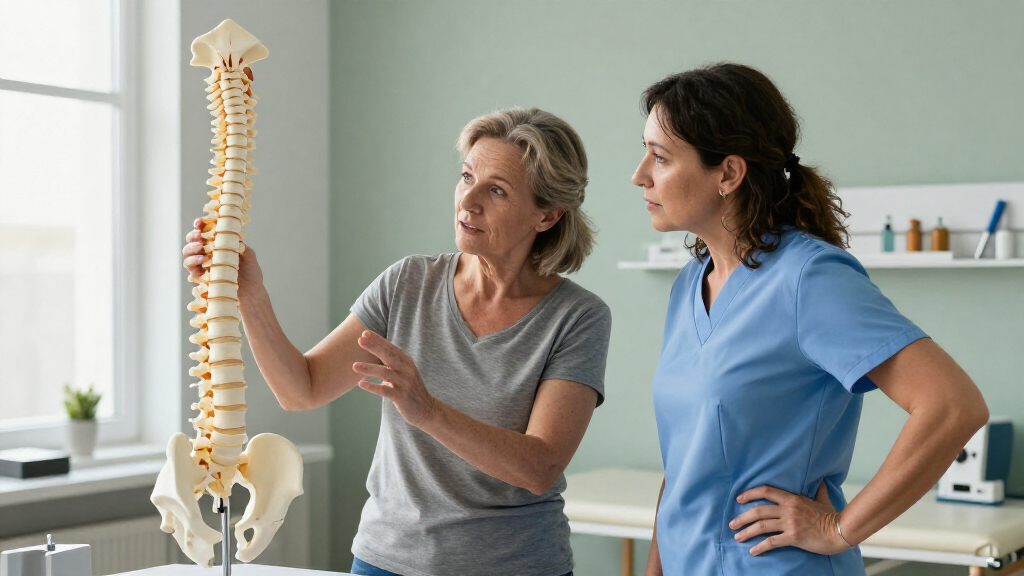
Osteoporosis can develop without obvious symptoms, so a person may not know their risk has increased until a fracture occurs. The ROS assessment gives users a structured way to review factors that might otherwise be overlooked and can prompt a conversation with a qualified health professional.
The Fit&Well report cites the International Osteoporosis Foundation’s estimate that one in three women and one in five men over 50 will experience a bone fracture due to osteoporosis globally. That statistic describes risk across those populations; it does not predict an individual’s outcome. The account underscores why a past fracture may be relevant, while making clear that a quiz result is not a diagnosis.
Products Worth Considering

Bowflex PR1000 Home Gym

Levoit Eleva 300X HEPA Air Purifier for Home and Bedroom

BowFlex Results Series SelectTech 552 Adjustable Dumbbell
As an affiliate, we earn on qualifying purchases.
How the ROS Checker Frames Risk
The source describes osteoporosis as a chronic condition in which bone mineral density and mass decline, leaving bones more fragile. Risk generally rises with age, and the report says women can lose bone strength faster around menopause as estrogen levels fall. It also lists low BMI—defined as below 18.5—and certain ethnic backgrounds among factors considered by the tool.
For the writer, the most surprising factor was their earlier hand fracture. The ROS checker states that someone who has broken a bone may be two or three times more likely to break another than someone without a previous fracture; it says spinal fracture can raise risk by as much as five times. Those figures are presented in the source as the tool’s guidance, not as a personal forecast for the writer.
The report also relays ROS guidance that adults need calcium for bone strength, citing targets of 700 milligrams daily and 1,000 milligrams for people at increased risk. Thomson said calcium is present in foods beyond dairy, including bread, nuts, vegetables, fruit and fortified products. Individual dietary needs and whether supplements are appropriate should be discussed with a health professional.
“You will be two or three times more likely to break another bone than someone who has never broken a bone.”
— Royal Osteoporosis Society bone-check tool, as quoted by Fit&Well
What the Quiz Cannot Establish
The source does not provide the tool’s scoring method, validation data or a detailed breakdown of how each factor changes an individual’s risk. It also does not report whether the writer sought medical advice after completing the assessment or received a clinical evaluation. The writer’s experience is a personal account, not evidence that every user will receive the same result.
A quiz result cannot confirm osteoporosis or determine the cause of a past fracture. The report says the checker may identify reasons to discuss risk with a professional; whether a person needs testing or another intervention depends on an individual assessment. The source also does not give a date for the tool’s launch or information about changes to its availability.
Possible Steps After the Assessment
The report encourages readers to use the ROS checker to review potential risk factors and, if the result raises concerns, discuss their history with a qualified health professional. A clinician can consider the circumstances of any prior fracture and whether a fuller fracture-risk assessment or other evaluation is suitable.
Readers may also review diet and lifestyle factors raised in the report, including calcium intake, smoking and alcohol consumption, without treating the quiz as a substitute for personal medical guidance. The source gives no timetable for a follow-up announcement or for any further development of the tool.
Key Questions
Does the ROS bone checker diagnose osteoporosis?
No. The report describes it as a risk assessment that can suggest whether a user may benefit from professional advice. It is not presented as a diagnostic test.
Does a fracture after a minor bump mean someone has osteoporosis?
No. Julia Thomson of the ROS said that not all broken bones indicate a bone-health problem. The assessment may flag a past fracture for discussion, including the circumstances in which it happened.
Which factors does the report say may increase osteoporosis risk?
The report lists factors including age, menopause-related changes, low BMI, a previous fracture, a parent’s hip fracture, smoking, drinking more than 14 units of alcohol weekly and certain medical conditions. The list is not a personal diagnosis or a complete assessment of someone’s health.
What should someone do after receiving a concerning result?
The ROS guidance described in the report is to consider discussing the result and relevant medical history with a qualified health professional. That person can advise whether further assessment is appropriate.
Source: fitandwell.com