
TL;DR
A Sixty and Me report says retirees’ well-being may depend on habits beyond financial resources, including maintaining relationships, finding purpose, staying active and adapting to health changes. The article draws on cited research and public health guidance, but does not establish that these habits guarantee happiness or better health for every retiree.
A Sixty and Me report argues that retirees’ well-being is not determined by the size of their savings alone, pointing instead to relationships, purpose, activity and adaptability as habits associated with a fuller retirement. The article draws on studies and public health guidance, though it does not present a new study comparing retirees’ happiness or establish that these habits cause better outcomes.

Give the gift of listening to someone who needs a break
- Choose a 1-, 3-, 6- or 12-month membership
- They pick the audiobooks they love
- Easy to send by email
The report describes retirement as a potentially long stage of life, saying it can last 25 or 30 years. Its author, who works with older adults and families around changes in walking and balance, says people who do well tend to preserve social ties and make regular plans to see others. Examples include a weekly breakfast, a walking group, a recurring family call or a monthly card game.
For support, the article cites the Harvard Study of Adult Development, which has followed participants and their families since 1938. It reports that the study’s directors identify good relationships as important to happiness and health with age. The source also says relationship satisfaction at age 50 predicted health at 80 better than cholesterol did; the supplied material does not provide the study citation or details needed to assess that comparison independently.
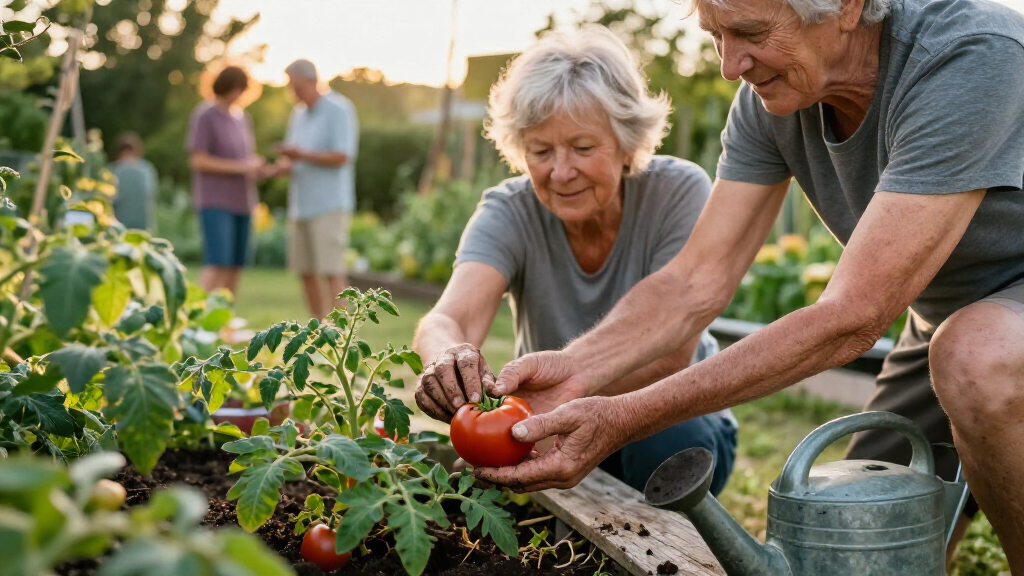
Other habits named in the report include having a sense of purpose, continuing to learn and exercising with strength and balance work included. It cites a 2019 study of nearly 7,000 adults over 50, saying participants with the weakest sense of purpose were more than twice as likely to die during the study period as those with the strongest. The article recommends practical roles such as volunteering, mentoring, caring for family or gardening, while emphasizing that this association does not prove purpose alone caused the difference.
Daily Habits That Support Retirement
The report’s emphasis matters because retirement can change the routines that once supplied social contact and structure. Leaving work may remove regular conversations and obligations, so the article suggests deliberately scheduling relationships and activities rather than expecting them to happen automatically. That is a practical framing, not a guarantee that a calendar or social group will resolve loneliness.
Its advice also links independence with adapting to changing abilities. The author recommends adjusting activities rather than abandoning them: for example, switching from tennis to swimming when a knee becomes painful, using a cane on uneven trails, or using mobility equipment for longer outings. The intended point is that support can help people continue participating; the report does not offer individualized clinical advice, and readers with mobility or health concerns may need guidance from a qualified professional.
Home preparation is another concrete part of the article. It cites the CDC estimate that about one in four adults aged 65 and older reports a fall each year, and suggests brighter lighting, grab bars and reducing loose rugs. Those changes may reduce hazards, but the report does not quantify the effect of any single modification.
Products Worth Considering

BowFlex Results Series SelectTech Adjustable Dumbbells

Bowflex SelectTech 840 Adjustable Kettlebell

Levoit Vital 200S-P Smart Air Purifier for Large Rooms
As an affiliate, we earn on qualifying purchases.
Research Behind the Retirement Advice
The report combines several kinds of evidence: a long-running observational study of relationships, a 2019 study examining purpose and mortality, and federal physical activity guidance. It says guidelines for older adults call for about 150 minutes of moderate activity each week, strength activity at least twice weekly and balance exercises. These are presented as general targets, not a personalized prescription for every person.
The article’s recommendations are broader than exercise. It suggests classes, library programs, learning a language or instrument, and joining a group as ways to keep the mind active and meet people. It also stresses preparing for physical changes before they become urgent, including making home adjustments and considering mobility aids when needed. The underlying message is that retirement planning can include routines and practical supports, not only financial planning.
““I’m not ready for that yet.””
— Sixty and Me report author
Limits of the Evidence Cited
The supplied report does not include full citations for the 2019 purpose study or the specific relationship-and-health comparison, so details such as methods, participant characteristics and measures are not available here. Both findings are presented as associations or predictions; they do not show that a particular habit by itself causes longer life or better health.
The report also does not define or measure “happiest retirees,” compare happiness across income groups, or provide evidence that money is unimportant. Its headline is a broad framing of practical advice, not the conclusion of a new survey or experiment. Individual circumstances, including health, disability, income and access to social activities, may affect what is feasible.
Small Steps the Report Suggests
The article recommends starting with a manageable action: contact someone, set a recurring social plan, try a class or add appropriate movement to the week. It also suggests reviewing strength, balance and home safety before a fall or other change makes those needs urgent. People considering exercise or mobility equipment can discuss options with a qualified health professional, particularly if balance is already impaired.
No follow-up study or program is announced in the source material. The report closes by inviting readers to share which habits come naturally and which they want to work on, leaving the broader claims about retirement well-being open to further evidence.
Key Questions
What habits does the report associate with happier retirement?
It highlights maintaining relationships, finding purpose, staying active, continuing to learn and adapting when health or mobility changes. These are recommendations drawn from cited research and the author’s experience, not guaranteed routes to happiness.
Does the report say money does not matter in retirement?
No. It argues that a larger nest egg is not the only factor in well-being. The supplied material does not compare income levels or establish how financial security affects happiness.
What physical activity does the article cite for older adults?
It cites general federal guidance of about 150 minutes of moderate activity weekly, along with strength work at least two days a week and balance exercises. Personal abilities and health needs vary, so the article’s targets are not individualized medical advice.
What does the report say about mobility aids?
It presents tools such as a cane, walker or folding wheelchair as ways some people can continue outings when walking becomes difficult. The report does not assess which device is right for a particular person.
How strong is the evidence behind the report’s claims?
The article cites observational research and public health guidance, but the supplied text does not provide full study details. The findings described do not prove that any single habit causes better health or happiness for every retiree.
Source: sixtyandme.com