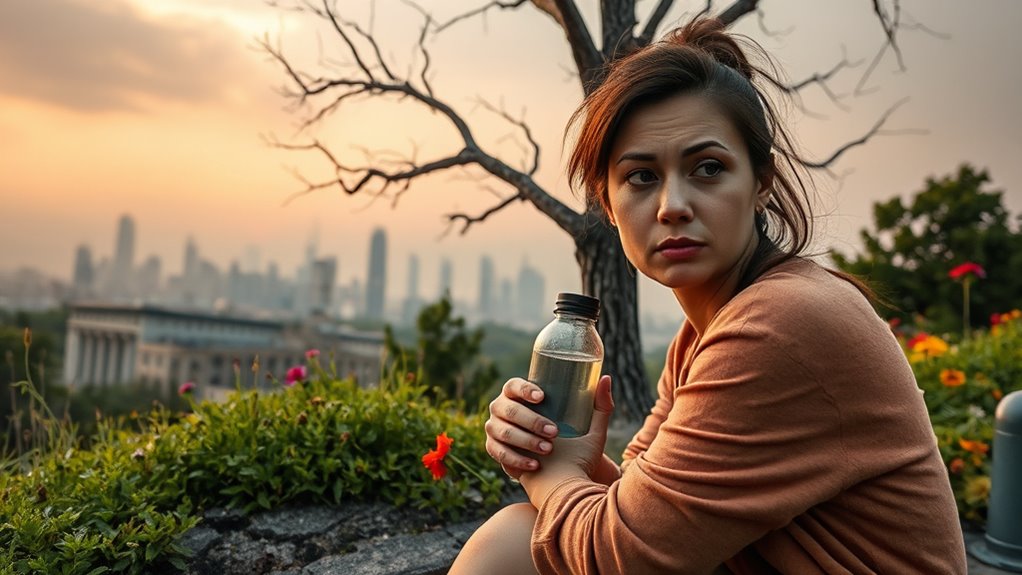

Women often feel more anxiety about climate change because social, psychological, and policy factors influence their concern. They tend to be more aware of environmental issues, partly due to their roles as caregivers and impacts on health and safety. Policy shortcomings and a greater sense of personal risk also heighten their worry. If you want to understand why these differences exist and how they shape climate concern, there’s more to explore ahead.

Turn your wind-down time into listening time
- Thousands of audiobooks, podcasts and originals
- Listen on your phone, tablet or Echo — also offline
- Cancel anytime
Key Takeaways
- Women generally experience higher climate concern due to social and psychological factors, including caregiving roles and perceived vulnerabilities.
- Younger women often worry more about climate change because they see it as directly threatening their future.
- Perceptions of climate impacts and personal risk increase anxiety levels among women compared to men.
- Women are more sensitive to how environmental policies affect health, safety, and gender-specific vulnerabilities.
- Societal roles and awareness of environmental injustices amplify women’s emotional responses to climate change.
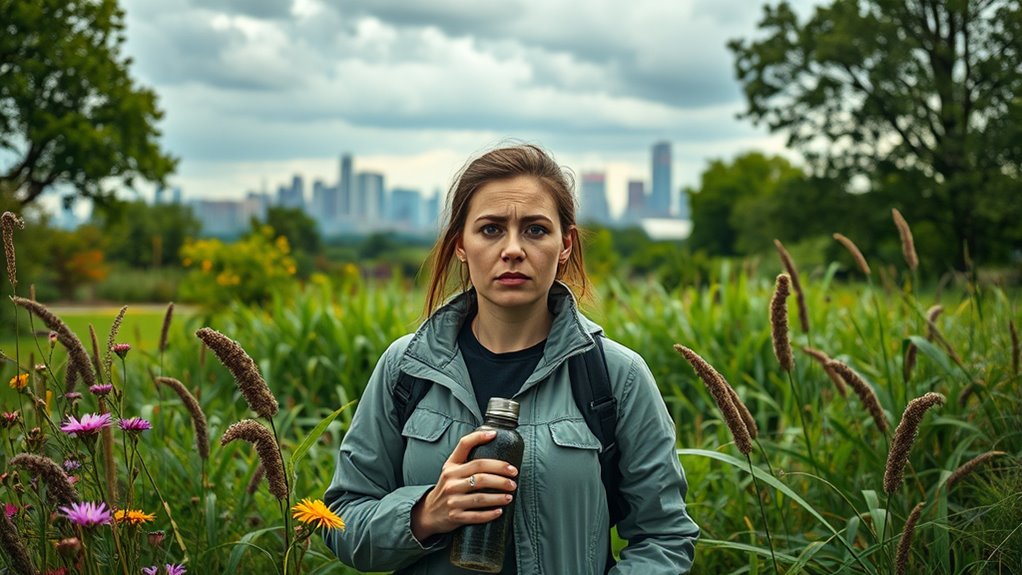
Many studies show that women tend to feel more anxious about climate change than men, and understanding why reveals important insights into how gender influences environmental concern. One significant factor is generational perspectives. Younger women, in particular, often express heightened worry because they see climate change as directly affecting their future. They grew up in a world increasingly impacted by environmental issues, making them more aware of the risks. Older women, meanwhile, may feel the weight of historical struggles for social justice, which often intersect with environmental justice. This generational shift shapes how different age groups perceive the urgency of climate action, with younger women generally more vocal and active about their concerns. These varying perspectives influence how women across age groups prioritize climate issues and engage in activism. Additionally, projected climate impacts can influence the level of concern among different groups, with those perceiving greater personal risk feeling more anxious about the environment.
Younger women’s climate concerns stem from their perception of a directly threatened future.
Policy impacts further deepen the gender gap in climate anxiety. Women are often more attuned to how policies shape environmental outcomes because they tend to be more involved in community and family decision-making. When governments implement policies that neglect environmental protections or fail to address climate risks, women notice the consequences more acutely. For instance, policies that weaken environmental regulations can threaten public health and safety, which women often feel a greater responsibility to safeguard. Additionally, policies that ignore gender-specific vulnerabilities—such as those related to reproductive health or economic stability—intensify women’s concerns. As a result, women may experience a sense of frustration or helplessness when policy responses seem inadequate, fueling their anxiety about the future.
Furthermore, policy impacts are intertwined with societal expectations placed on women, making their concern about climate change more personal. Women frequently serve as primary caregivers, responsible for household health and safety, so they’re more likely to notice and worry about environmental degradation’s immediate effects. When policies neglect to consider these gendered experiences, it reinforces their sense of insecurity.
In essence, generational perspectives shape how women interpret the urgency of climate change, with younger women feeling more immediate concern and older women drawing on life experience. Policy impacts amplify these feelings because they directly influence safety, health, and economic stability. Recognizing these dynamics helps us understand why women often experience higher climate anxiety and underscores the importance of inclusive policy-making that considers gender and generational differences. Addressing these concerns isn’t just about environmental sustainability; it’s about creating a more equitable approach that respects the diverse experiences of women across generations.
eco-friendly reusable water bottles
As an affiliate, we earn on qualifying purchases.
As an affiliate, we earn on qualifying purchases.
Frequently Asked Questions
How Does Climate Anxiety Affect Women’s Mental Health Long-Term?
You might find that climate anxiety chips away at your emotional resilience over time, making it harder to cope with daily stress. Long-term, it can lead to feelings of helplessness or depression if you lack effective coping mechanisms. To protect your mental health, develop healthy strategies like community engagement or mindfulness. Building resilience helps you manage worries about the environment, empowering you to stay hopeful and proactive instead of overwhelmed.
Are There Specific Cultural Factors Influencing Women’s Concern About Climate Change?
Cultural norms and traditional values heavily influence your concern about climate change. In many societies, women are expected to prioritize community well-being and caregiving roles, making environmental issues more personal. These cultural factors heighten your awareness and emotional investment in climate change, as they shape your responsibilities and perspectives. Consequently, your concern is deeply rooted in societal expectations, which motivate you to take action and advocate for environmental protection.
What Role Do Social Media Platforms Play in Shaping Women’s Environmental Worries?
Imagine you’re scrolling through social media and suddenly see a viral environmental activism post. Platforms like Instagram and Twitter amplify women’s environmental worries by highlighting stories, protests, and expert opinions. This constant exposure energizes women, making climate concerns more personal and urgent. Social media acts as a catalyst, fostering community and awareness, which deepens their emotional connection to environmental issues and drives greater activism and concern.
How Can Men Better Support Women Experiencing Climate-Related Anxiety?
You can better support women experiencing climate-related anxiety by offering emotional support and engaging proactively. Listen actively to their concerns without dismissing them, validate their feelings, and avoid minimizing the impact of climate issues. Educate yourself on environmental topics to have meaningful conversations, and take shared action—like participating in eco-friendly activities—to demonstrate solidarity and empower them in their environmental efforts.
What Are Effective Strategies for Managing Climate Anxiety Among Women?
You can tame your climate anxiety by embracing mindfulness practices—think deep breaths and grounding exercises that calm your overactive eco-conscious mind. Don’t forget peer support; sharing your worries with friends who get it can turn panic into purpose. Remember, taking small, meaningful actions empowers you and eases anxiety. So, breathe, connect, and act—because even in eco-crisis, a little calm and community go a long way.
As an affiliate, we earn on qualifying purchases.
Conclusion
Remember, actions speak louder than words. As a woman, your concern for the environment shows your strength and compassion. While society’s worries might differ, your passion can inspire change. Don’t underestimate the power of your voice—every effort counts. Embrace your role in protecting the planet, because when you care, others follow. After all, a chain is only as strong as its weakest link, so stay committed and keep pushing for a healthier world.
As an affiliate, we earn on qualifying purchases.
personal safety alarms for women
As an affiliate, we earn on qualifying purchases.
As an affiliate, we earn on qualifying purchases.
Fall Picks
fall essentials
As an affiliate, we earn on qualifying purchases.