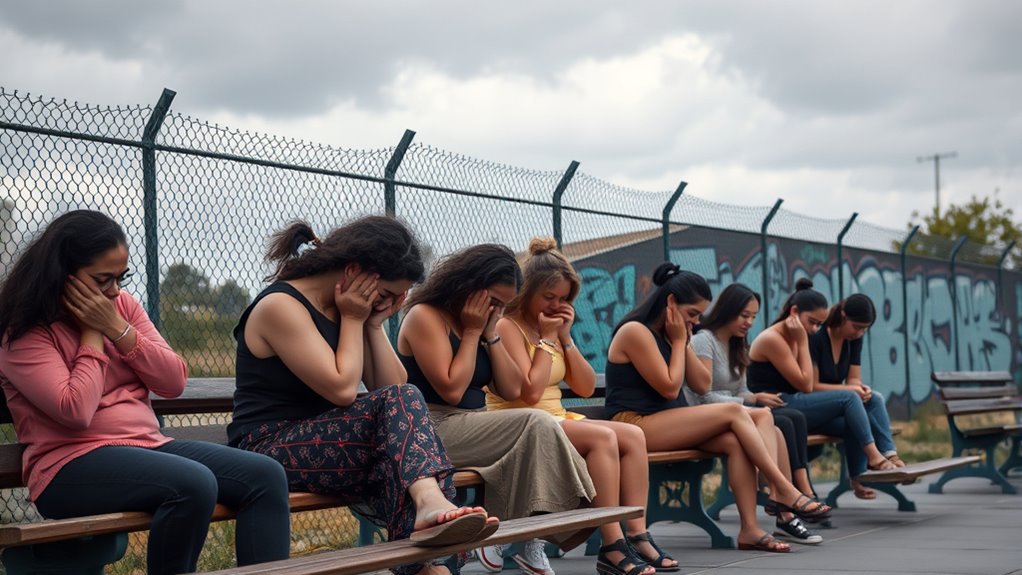

You might face barriers like cultural stigmas that make seeking help seem shameful, especially for women and 2SLGBTQI+ individuals. Societal biases and discrimination can make you feel isolated and misunderstood, while limited resources and long wait times add to the challenge. Systemic issues like untrained providers worsen these struggles, trapping you in a cycle of silence. If you keep exploring, you’ll discover ways to overcome these obstacles and find support.

Turn your wind-down time into listening time
- Thousands of audiobooks, podcasts and originals
- Listen on your phone, tablet or Echo — also offline
- Cancel anytime
Key Takeaways
- Cultural stigmas label mental health struggles as personal weakness, discouraging women and 2SLGBTQI+ individuals from seeking help.
- Societal discrimination and bias reinforce shame and social exclusion, hindering open conversations about mental health.
- Limited access to affordable, culturally competent mental health services creates geographic and systemic barriers.
- Lack of trained providers familiar with women’s and 2SLGBTQI+ experiences leads to misdiagnosis and inadequate support.
- Fear of judgment and societal expectations reduce help-seeking, worsening mental health and feelings of isolation.
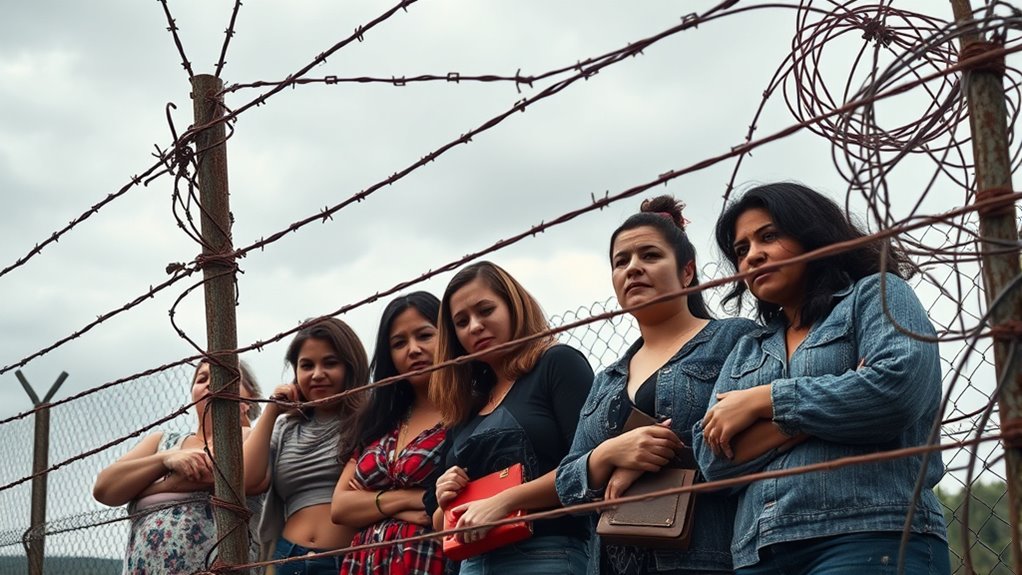
Despite growing awareness of mental health issues, women and 2SLGBTQI+ individuals often face significant barriers when seeking support. One of the most persistent obstacles is the influence of cultural stigmas. In many communities, mental health struggles are seen as a sign of weakness or moral failing, making it difficult for you to openly discuss your feelings without fear of judgment. For women, cultural expectations around strength and resilience can discourage seeking help, as admitting to mental health challenges may be perceived as a failure to uphold family or societal roles. Among 2SLGBTQI+ individuals, these stigmas are often compounded by societal bias and discrimination, which can make mental health conversations even more taboo. This cultural backdrop creates an environment where you might feel ashamed or hesitant to ask for support, reinforcing feelings of isolation. Additionally, projector technology can serve as a metaphor for how societal biases distort perceptions and hinder access to genuine support. Access disparities further exacerbate these challenges. Depending on where you live, you might find that mental health services are sparse or unevenly distributed, especially in rural or underserved areas. If you’re in a community with limited healthcare resources, getting timely and appropriate support becomes an uphill battle. Even when services are available, barriers like high costs, lack of insurance coverage, or long waiting times can prevent you from accessing the care you need. These disparities mean that you might have to travel long distances or wait months for appointments, which can be discouraging and lead to worsening mental health. For women and 2SLGBTQI+ individuals, these access gaps are often more pronounced due to systemic inequalities and a shortage of culturally competent providers who understand your unique experiences. Additionally, societal biases can influence the quality and inclusivity of the support you receive. Many mental health practitioners may lack training in issues specific to women and 2SLGBTQI+ populations, making you feel misunderstood or underserved. When providers hold unconscious biases, it can lead to misdiagnosis, inadequate treatment, or even retraumatization. As a result, you might lose trust in the healthcare system altogether, feeling that seeking support isn’t worth the emotional toll. All these factors—cultural stigmas, access disparities, and systemic shortcomings—combine to create a landscape where you’re less likely to seek help, even when you desperately need it. Overcoming these barriers requires not only systemic change but also ongoing efforts to cultivate a more inclusive, understanding environment that validates your experiences and makes mental health support accessible and stigma-free.
mental health self-help books for women and 2SLGBTQI+
As an affiliate, we earn on qualifying purchases.
As an affiliate, we earn on qualifying purchases.
Frequently Asked Questions
How Can Cultural Stigma Affect Mental Health Help-Seeking Behaviors?
Cultural beliefs and stigma perceptions can seriously deter you from seeking mental health support. If your community views mental health issues as shameful or a sign of weakness, you might feel ashamed or afraid to ask for help. This stigma creates a barrier, making you less likely to talk openly about your struggles or access the support you need. Overcoming these cultural barriers takes courage, but it’s essential for your well-being.
What Role Do Financial Constraints Play in Accessing Mental Health Services?
Financial constraints limit your access to mental health services, creating a stark contrast between the need for support and the reality of affordability issues. Insurance gaps leave many unable to cover costs, making therapy or counseling out of reach. You might feel trapped by these barriers, unable to prioritize your mental health because of expenses, risking your well-being. Addressing these financial hurdles is essential for equitable access to care.
How Does Geographic Location Impact Availability of Mental Health Support?
Your geographic location greatly impacts your access to mental health support. If you’re in a rural area, rural isolation can limit nearby services and make it harder to find specialized care. Conversely, urban areas generally offer better accessibility with more clinics and professionals. However, urban settings might also mean longer wait times or overwhelmed services, so your location directly influences how easily you can get the help you need.
What Specific Barriers Do Marginalized Communities Face in Mental Health Care?
Think of marginalized communities facing mental health barriers as traversing a maze with walls built by societal discrimination. Intersectional barriers, like overlapping identities, make this maze even more complex, limiting access and understanding. You might encounter stereotypes, stigma, or lack of culturally sensitive care, which deepen the divide. These obstacles prevent you from receiving the support you need, leaving you feeling isolated and unheard in a system that should be open and inclusive.
How Can Mental Health Services Become More Inclusive and Affirming?
You can make mental health services more inclusive and affirming by implementing inclusive practices and providing affirmative training for staff. This involves creating a welcoming environment, using respectful language, and understanding diverse identities. By prioritizing ongoing education, you guarantee providers recognize unique needs and challenges. These steps foster trust, reduce stigma, and encourage marginalized communities to seek support confidently, ultimately improving mental health outcomes for everyone.
culturally competent therapy apps
As an affiliate, we earn on qualifying purchases.
As an affiliate, we earn on qualifying purchases.
Conclusion
You might be surprised to learn that nearly 60% of 2SLGBTQI+ individuals avoid seeking mental health support due to stigma and discrimination. This shows how much these barriers can impact your well-being. Remember, you’re not alone, and help is available. Recognizing these obstacles is the first step toward creating a more inclusive mental health system where everyone feels safe to seek support and thrive. Your mental health deserves attention and compassion.
As an affiliate, we earn on qualifying purchases.
online counseling services for LGBTQ+
As an affiliate, we earn on qualifying purchases.
As an affiliate, we earn on qualifying purchases.
Halloween Picks
halloween
As an affiliate, we earn on qualifying purchases.