
The decline in cable subscriptions to 49% happens because streaming services offer more flexibility, affordability, and control over what you watch. You can access a vast library of content on multiple devices, enjoy on-demand shows, and avoid fixed schedules or rigid packages. Plus, streaming platforms produce exclusive and original content, making them more appealing. If you continue exploring, you’ll discover how these changes are reshaping your entertainment options.
Key Takeaways
- Streaming offers flexible, on-demand viewing on multiple devices, unlike traditional pay TV’s fixed setups.
- Cost-effective monthly plans and no long-term contracts make streaming more attractive than costly cable subscriptions.
- Streaming platforms provide extensive, constantly updated content libraries, surpassing pay TV’s limited programming options.
- The rise of original, exclusive content on streaming services draws viewers away from pay TV packages.
- Improved streaming quality and personalized recommendations enhance user experience, encouraging consumers to cancel cable plans.
Are you wondering whether streaming services or traditional pay TV is better for your entertainment needs? The shift has been swift and undeniable, with cable subscriptions dropping to just 49%. One of the main reasons is how streaming platforms have revolutionized the way content is delivered and consumed. Unlike pay TV, which relies heavily on advertising models to generate revenue, streaming services often operate on subscription-based models, offering an ad-free experience or limited advertising. This change gives you more control over your viewing, without interruptions, and often at a lower cost.
Streaming services offer ad-free, flexible, and cost-effective entertainment compared to traditional pay TV.
Content licensing plays a significant role in this transformation. Streaming services secure licensing deals that allow them to offer vast libraries of movies, TV shows, and exclusive content—sometimes even producing original material. These deals give platforms the flexibility to update their content libraries quickly and respond to viewer preferences. In contrast, traditional pay TV relies on long-term licensing agreements and a fixed schedule of programming, which can limit variety and freshness. As a viewer, this means streaming services can better tailor their offerings to your tastes, providing a more personalized experience.
Another advantage of streaming is accessibility. You can watch on multiple devices—smartphones, tablets, smart TVs—anywhere you have an internet connection. This flexibility is a game-changer, especially as more people seek on-demand content that fits into busy lifestyles. Pay TV, on the other hand, often requires a cable box and a fixed setup, which isn’t as convenient. Plus, with streaming, you’re not locked into rigid packages or channel lineups; you can pick and choose platforms based on what you want to watch, rather than paying for channels you never tune into.
Cost is also a factor. Streaming services usually offer more affordable monthly plans, and you can cancel or switch between platforms easily. Pay TV subscriptions tend to be more expensive, and with bundled channels, you might end up paying for content you don’t need or want. The decline in cable subscriptions reflects this trend—viewers are increasingly opting for the flexibility and affordability of streaming.
Additionally, the incorporation of technological advancements such as improved streaming quality and personalized recommendations enhances the user experience, making streaming platforms even more attractive alternatives. Lastly, the rise of original content on streaming platforms adds to their appeal. With their own productions, they attract viewers with exclusive shows and movies that you can’t find on traditional pay TV. This focus on original content, combined with innovative advertising models and strategic content licensing, has made streaming the preferred choice for many. As a result, cable subscriptions continue to decline, reshaping how you access entertainment and forcing traditional providers to adapt or lose relevance.

Roku Streaming Stick Plus with Voice Remote – 4K & HDR10+
- Easy 4K Streaming: Access popular apps and free content
- Brilliant 4K & HDR: Enjoy vivid picture quality
- Compact & Sleek Design: Doesn't block HDMI ports, powered by TV
As an affiliate, we earn on qualifying purchases.
As an affiliate, we earn on qualifying purchases.
Frequently Asked Questions
How Do Streaming Services Impact Traditional Cable Infrastructure Costs?
Streaming services reduce your reliance on traditional cable infrastructure, impacting cable maintenance and signal transmission costs. As more people switch to streaming, cable providers see decreased demand for maintaining extensive physical networks. This shift lowers expenses related to cable repair, upgrades, and signal transmission. Consequently, providers might cut back on infrastructure investments, but it also pressures them to innovate and find new revenue sources in a changing media landscape.
What Are the Environmental Effects of Declining Pay TV Subscriptions?
As pay TV subscriptions decline, your environmental footprint decreases, but electronic waste rises. Less cable infrastructure means fewer resources used, reducing energy consumption. However, the surge in streaming devices and gadgets contributes to electronic waste, harming the environment. You help lower resource use but face the challenge of managing electronic waste. By supporting sustainable practices, you can balance the benefits of reduced infrastructure with responsible electronic disposal.
How Do Regional Regulations Influence Streaming and Cable Service Offerings?
Regional policies and licensing agreements substantially shape your streaming and cable service options. You may find certain channels or content restricted or unavailable due to local regulations, which can limit your choices. These policies require providers to negotiate licensing agreements specific to your region, impacting what’s accessible to you. As a result, your streaming and cable experiences are directly influenced by regional rules that govern content distribution and service offerings.
What Demographic Groups Are Most Shifting From Cable to Streaming?
You’re part of a streaming wave, especially if you’re younger, like Millennials and Gen Z. These groups prefer the flexible, on-demand nature of streaming, shaping their viewing habits to fit busy lives. They’re like digital nomads, drifting away from traditional cable’s fixed schedule. Their demographic preferences lean toward affordability and variety, making streaming a natural choice, while cable feels like an outdated map they’re enthusiastic to leave behind.
How Might Future Technology Developments Affect Cable Subscription Trends?
Future technology developments like Smart TVs and 5G networks will make streaming even more accessible and seamless. You’ll find it easier to access your favorite content without cable, as Smart TVs integrate streaming apps directly, and 5G offers faster, more reliable internet. These innovations will likely accelerate the decline of cable subscriptions, encouraging more people to switch to on-demand streaming services for greater convenience and flexibility.
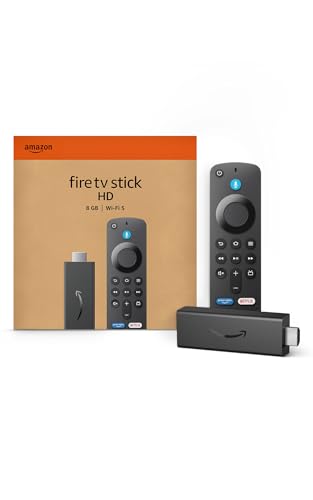
Amazon Fire TV Stick HD, free and live TV, Alexa Voice Remote, smart home controls, HD streaming
- HD Streaming: Stream in Full HD with remote control
- Ideal for Beginners: Access free movies and TV shows easily
- Voice Control: Use Alexa to search and launch content
As an affiliate, we earn on qualifying purchases.
As an affiliate, we earn on qualifying purchases.
Conclusion
Imagine you’re trying to catch a movie, but with cable, you’re stuck waiting for your favorite show to air. Now, streaming is like having a magic remote—instant access anytime. With cable subscriptions dropping to just 49%, it’s clear many prefer the freedom of on-demand entertainment. Just like choosing a path that’s more flexible, streaming options fit your life better, making cable feel outdated. Embrace the change; your entertainment should be as effortless as flipping a switch.

HDMI Media Player, Black Mini 1080p Full-HD Ultra HDMI Digital Media Player for -MKV/RM- HDD USB Drives and SD Cards
- Compact and Portable Design: Fits in your hand, ideal for travel
- Full HD 1080p Support: Supports most video formats at 60Hz
- Multiple Output Options: HDMI and AV outputs for versatile connectivity
As an affiliate, we earn on qualifying purchases.
As an affiliate, we earn on qualifying purchases.

Amazon Fire HD 10 Kids tablet (newest model) ages 3-7 | Bright 10.1" HD screen with included ad-free and exclusive content, robust parental controls, 13-hr battery, 32 GB, Blue
- Bundle Includes: Tablet, Kids+ subscription, kid-proof case
- Guarantee: 2-year worry-free replacement
As an affiliate, we earn on qualifying purchases.
As an affiliate, we earn on qualifying purchases.





![I Made Tinnitus My Friend, Then It Disappeared [Video]](https://thinkozeal.com/wp-content/uploads/2026/08/i-made-tinnitus-my-friend-then-it-disappeared-video-featured-260x140.jpg)