

Financial literacy goes beyond understanding numbers; it’s about managing your emotions around money. When you’re knowledgeable, you gain confidence and feel more in control during financial ups and downs. Recognizing your emotional reactions helps you stay calm and avoid impulsive decisions. Developing mindfulness around your money habits reduces stress and builds resilience. If you keep exploring, you’ll discover how mastering both money skills and emotional balance leads to lasting financial well-being.
Key Takeaways
- Financial literacy enhances confidence, reducing anxiety during financial uncertainties.
- Understanding investment psychology helps manage emotional reactions like fear and greed.
- Mindful money practices foster calmness, improving decision-making under stress.
- Recognizing emotional patterns prevents impulsive spending and promotes healthier habits.
- Resilience built through financial knowledge supports emotional stability during market fluctuations.

Financial literacy plays a crucial role in shaping your emotional stability, especially when you’re faced with financial challenges. When you understand how money works, you gain confidence and a sense of control that can prevent panic and impulsive decisions. But beyond the numbers, your mindset around money—what experts call investment psychology—deeply influences how you feel in tough times. If you’re aware of your emotional reactions to financial ups and downs, you can better manage stress and avoid falling into destructive patterns like overspending or avoidance. This is where money mindfulness comes into play. Being mindful about your money means paying attention to your thoughts, feelings, and behaviors related to finances without judgment. It helps you recognize when anxiety is fueling poor decisions, giving you the chance to pause and reflect rather than react impulsively.
By cultivating money mindfulness, you develop a healthier relationship with money. Instead of obsessing over every dollar, you learn to approach your finances with calm and clarity. This mental clarity reduces emotional turbulence, helping you stick to your financial goals even when setbacks occur. When you understand investment psychology, you realize that your emotional responses—fear, greed, or impatience—can cloud your judgment and lead to poor investment choices. Recognizing these tendencies enables you to develop strategies to keep your emotions in check. For example, you might set predefined rules for buying or selling assets based on data rather than gut feelings. This disciplined approach makes your investment decisions more rational and less driven by fleeting emotions. Additionally, understanding concepts like watt-hours and capacity can help you make smarter decisions about energy storage and power management, which can reduce financial strain related to utility costs. Recognizing how financial decision-making is influenced by emotional factors can help you develop better habits and avoid common pitfalls. Moreover, understanding how natural pools operate can inspire eco-friendly and cost-effective upgrades to your backyard, further reducing ongoing expenses.
Your emotional stability depends on your ability to stay grounded. When you’re equipped with financial literacy, you’re less likely to feel overwhelmed by financial news or market swings. Instead, you see these fluctuations as normal parts of investing, not signs of personal failure. Money mindfulness encourages you to stay present, aware of your financial habits, and resist the urge to indulge in risky behaviors during stressful times. Developing a deeper understanding of electric bikes and their capabilities can also motivate you to adopt sustainable transportation options that save money in the long run. Furthermore, awareness of investment psychology can help you recognize and counteract subconscious biases that might otherwise influence your financial decisions. Over time, this mindfulness builds resilience, helping you face financial setbacks with a steady mind. And with a solid understanding of investment psychology, you shift from reacting emotionally to making strategic, well-informed decisions. This blend of knowledge and mental discipline creates a foundation for emotional stability, empowering you to navigate financial challenges with confidence and peace of mind.
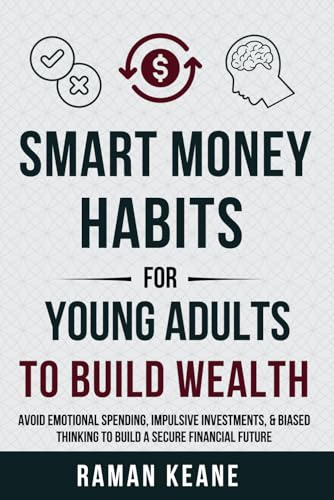
Smart Money Habits for Young Adults to Build Wealth: Avoid Emotional Spending, Impulsive Investments, & Biased Thinking to Build a Secure Financial Future (Financial Literacy For Young Adults)
As an affiliate, we earn on qualifying purchases.
As an affiliate, we earn on qualifying purchases.
Frequently Asked Questions
How Does Emotional Stability Directly Influence Financial Decision-Making?
Your emotional stability directly influences your financial decision-making by shaping how you handle stress and setbacks. When you build emotional resilience, you’re better equipped to stay calm and think clearly during financial challenges. Effective stress management helps you avoid impulsive choices, enabling you to make thoughtful, informed decisions. Ultimately, a stable emotional state empowers you to prioritize long-term goals over short-term impulses, leading to healthier financial habits.
Can Improving Emotional Health Lead to Better Financial Habits?
Yes, improving your emotional health can lead to better financial habits. When you develop a strong financial mindset and practice stress management, you’re less likely to make impulsive decisions or overspend. By staying emotionally balanced, you can prioritize savings, avoid debt, and make thoughtful investments. Enhancing emotional stability empowers you to approach money with clarity and confidence, ultimately fostering healthier financial habits that support your long-term goals.
What Are Signs of Emotional Distress Impacting Financial Choices?
Ever feel like your emotions are steering your financial ship? Signs of emotional distress impacting your choices include impulsive spending, avoiding bills, or feeling overwhelmed by financial decisions. When you lack emotional awareness and struggle with stress management, it becomes harder to make rational choices. Recognizing these signs helps you regain control, promoting healthier financial habits. Prioritizing emotional well-being allows you to navigate money matters with clarity and confidence.
How Do Financial Setbacks Affect Emotional Well-Being Long-Term?
Financial setbacks can shake your emotional stability long-term, making you feel overwhelmed and less confident in managing money. These experiences test your financial resilience, often leading to increased stress and anxiety. To recover, you need effective stress management strategies, like budgeting and seeking support. Building emotional resilience helps you bounce back faster, maintaining your well-being and financial health despite setbacks. This holistic approach guarantees you’re better equipped for future financial challenges.
Are There Specific Emotional Skills That Enhance Financial Literacy?
Yes, developing emotional resilience and stress management skills can profoundly enhance your financial literacy. When you’re emotionally resilient, you handle financial setbacks without panic, making better decisions. Effective stress management helps you stay calm and focused during financial challenges, enabling clearer thinking. By strengthening these emotional skills, you build a stable mindset that supports smarter money choices, ultimately improving your financial literacy and long-term financial health.

Coping Skills Cards for Anxiety & Stress Relief – Mindfulness, Meditation & Self-Care Tools for Trauma, BPD, DID, PTSD | Mental Health Therapy Gift for Adults & Teens
- Supports Emotional Crisis Management: Alleviates panic, trauma, and anxiety
- Suitable for Various Conditions: For BPD, DID, PTSD, and more
- Includes 20+ Coping Techniques: Visual, tactile, sensory, and movement methods
As an affiliate, we earn on qualifying purchases.
As an affiliate, we earn on qualifying purchases.
Conclusion
As you navigate your financial journey, remember that emotional stability is your steady anchor in a stormy sea. When your mind is calm like a still lake, making smart decisions becomes easier, and your money flows smoothly. Picture your finances as a garden—tending to your feelings helps your wealth grow strong and resilient. Embrace both knowledge and emotional calm, and watch your financial landscape flourish with confidence and peace of mind.
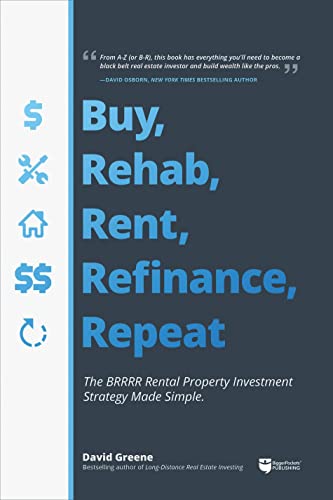
Buy, Rehab, Rent, Refinance, Repeat: The BRRRR Rental Property Investment Strategy Made Simple
As an affiliate, we earn on qualifying purchases.
As an affiliate, we earn on qualifying purchases.
As an affiliate, we earn on qualifying purchases.