
TL;DR

Turn your wind-down time into listening time
- Thousands of audiobooks, podcasts and originals
- Listen on your phone, tablet or Echo — also offline
- Cancel anytime
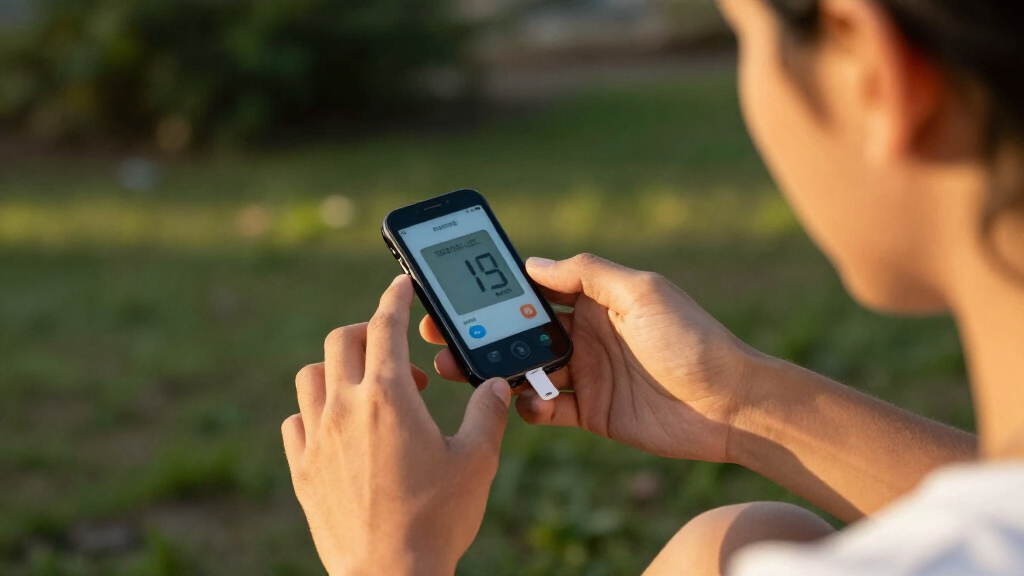
The U.S. Food and Drug Administration has approved the first wearable device that continuously tracks both ketone and blood sugar levels. This development could improve diabetes management and metabolic health monitoring. Details about its availability and functionality are still emerging.
The FDA has authorized the first wearable device capable of simultaneously monitoring ketone and blood sugar levels. This approval marks a significant milestone in health technology, offering potential benefits for individuals with diabetes and those managing metabolic health. The device’s approval was announced on April 15, 2024, and is expected to impact how patients and healthcare providers track and manage these critical biomarkers in real time.
The device, developed by BioTrack Technologies, is a lightweight, non-invasive wearable that continuously measures ketone and blood sugar levels through skin sensors. Unlike traditional blood tests or finger-prick methods, this device provides real-time data directly to a smartphone app, enabling users and healthcare providers to monitor fluctuations throughout the day. The FDA’s approval was based on clinical trials involving over 500 participants, which demonstrated the device’s accuracy, safety, and reliability in diverse populations.
According to the FDA, the device employs advanced biosensor technology that detects chemical markers in interstitial fluid, providing near-instantaneous readings. The approval also includes a recommendation for ongoing clinical evaluation, especially for individuals with type 1 and type 2 diabetes, who can benefit from continuous monitoring to prevent complications. The device is expected to be commercially available later this year, pending manufacturing and distribution processes.
Implications for Diabetes and Metabolic Health Management
This approval represents a breakthrough in personalized health monitoring. For individuals with diabetes, being able to track both ketone and blood sugar levels in real time could significantly improve disease management, reduce emergency incidents, and inform dietary and medication decisions. The device’s non-invasive nature makes it more accessible and less burdensome than traditional testing methods, potentially increasing adherence to monitoring routines.
Beyond diabetes, the device could benefit people managing ketogenic diets or metabolic disorders, offering insights into how their body responds to different foods and activities. Healthcare providers may also leverage this continuous data to tailor treatments more precisely, potentially reducing hospitalizations and improving long-term health outcomes.
However, experts caution that further studies are needed to evaluate long-term accuracy and integration into clinical practice. The FDA’s approval signals regulatory confidence but does not yet confirm widespread adoption or insurance coverage.
wearable ketone and blood sugar monitor
As an affiliate, we earn on qualifying purchases.
As an affiliate, we earn on qualifying purchases.
Development of Continuous Biomarker Monitoring Devices
Advances in biosensor technology have led to the development of wearable devices capable of tracking various health metrics, including heart rate, oxygen saturation, and now, chemical markers like ketones and glucose. Prior to this approval, most monitoring relied on invasive blood tests or intermittent finger-prick measurements, which can be inconvenient and less frequent.
The concept of continuous glucose monitoring (CGM) has been in use for years, but devices that also track ketones in real time have been limited. The recent FDA approval builds on ongoing research and commercial efforts to create integrated health monitoring systems that reduce the burden of disease management. Several companies have been working toward similar devices, but regulatory approval has been a significant hurdle.
This development follows a growing recognition of the need for comprehensive metabolic monitoring, especially as diabetes prevalence continues to rise globally, with an estimated 537 million adults living with the condition worldwide according to the International Diabetes Federation.
“This device represents a significant step forward in non-invasive health monitoring, offering real-time insights that can help patients and clinicians make better-informed decisions.”
— Dr. Lisa Carter, FDA Medical Devices Director
non-invasive continuous glucose and ketone monitor
As an affiliate, we earn on qualifying purchases.
As an affiliate, we earn on qualifying purchases.
Questions About Long-Term Use and Accessibility
It remains unclear how widely the device will be adopted in clinical practice and whether insurance providers will cover its cost. Additionally, long-term data on the device’s accuracy, durability, and user compliance are still being collected. The FDA’s approval is based on initial studies, but ongoing research is needed to confirm its efficacy over extended periods and in diverse populations.
Further, questions about data privacy, integration with electronic health records, and potential regulatory updates are still unresolved. It is also not yet clear how the device will perform outside controlled trial environments or in real-world settings.
FDA approved health monitoring device
As an affiliate, we earn on qualifying purchases.
As an affiliate, we earn on qualifying purchases.
Upcoming Steps for Deployment and Evaluation
Manufacturers are expected to begin scaling production and distribution later this year, with initial availability targeted for late 2024. Healthcare providers will likely start integrating the device into diabetes management protocols, especially in specialized clinics. Regulatory agencies and independent researchers will continue to monitor its performance through post-market surveillance and additional clinical studies.
Patients interested in using the device should consult their healthcare providers for personalized advice, and insurers may evaluate coverage options as more data becomes available. The device’s impact on disease outcomes and healthcare costs will be key factors shaping its future role in medical practice.
real-time metabolic health tracker
As an affiliate, we earn on qualifying purchases.
As an affiliate, we earn on qualifying purchases.
Key Questions
How does the device work without drawing blood?
The device uses biosensors that detect chemical markers in interstitial fluid, which is the fluid surrounding tissue cells. This allows it to measure ketone and blood sugar levels continuously without invasive blood draws.
Who can benefit from using this device?
People with diabetes, especially those managing type 1 or type 2 diabetes, as well as individuals following ketogenic diets or with metabolic disorders, may benefit from real-time monitoring of ketones and glucose.
Will insurance cover this device?
Insurance coverage is still uncertain. Coverage decisions will depend on further clinical data, regulatory policies, and negotiations between manufacturers and insurers. Patients should consult their providers for guidance.
When will the device be available to consumers?
The manufacturer plans to start commercial distribution later in 2024, pending final manufacturing and regulatory processes.
Are there any risks associated with using the device?
As with any medical device, there are potential risks such as sensor inaccuracies or skin irritation. The FDA’s approval indicates that the device has met safety standards, but users should follow instructions and consult healthcare providers for proper use.
Source: hn
Halloween Picks
halloween
As an affiliate, we earn on qualifying purchases.