When trust is shaken, strong couples acknowledge their feelings of hurt and confusion, understanding that emotional safety is essential for healing. They practice forgiveness by releasing past pain and communicate honestly to rebuild closeness. Managing stress and emotions helps create a stable foundation, while ongoing trust-building efforts, patience, and setting healthy boundaries keep the relationship moving forward. If you want to learn more about rebuilding your relationship, there’s much more to explore.
Key Takeaways
- They openly acknowledge and process their emotions related to the betrayal or breach of trust.
- They practice forgiveness to release lingering pain and promote healing.
- They establish and respect boundaries to rebuild a sense of safety and security.
- They engage in honest, empathetic communication to restore connection.
- They commit to ongoing trust-building routines and patience for long-term recovery.

When trust in a relationship feels shaken, it can be a jarring experience that tests your connection and resilience. In these moments, it’s natural to feel hurt, confused, or even angry. However, what matters most is how you respond. Strong couples understand that rebuilding trust takes intentional effort and a willingness to face difficult emotions head-on. One of the first steps you can take is engaging in forgiveness practices—not just for your partner, but for yourself as well. Forgiveness doesn’t mean forgetting or excusing what happened; it’s about releasing the hold that past pain has on your present. You might find it helpful to reflect on what forgiveness truly means for you and to communicate that understanding with your partner. Practicing forgiveness fosters healing, making space for renewed trust and emotional safety. Incorporating simple recovery routines, like mindful breathing or brief physical activities, can also help both partners manage stress and foster emotional regulation during this healing process. Developing trust-building strategies over time can further support your journey toward reconciliation and emotional closeness. Additionally, understanding the importance of emotional safety can help both partners feel secure enough to open up and rebuild connection.
Forgiveness heals wounds, fosters trust, and creates emotional safety for both partners in a relationship.
Rebuilding communication is equally essential. When trust falters, assumptions and misunderstandings often take root, widening the gap between you. To bridge this, you need to actively listen and speak honestly, creating a safe space where both of you can express your feelings without fear of judgment or retaliation. This means resisting the urge to shut down or withdraw, even when conversations become uncomfortable. Instead, approach each dialogue with patience and empathy, aiming to understand your partner’s perspective as well as sharing your own. Open, transparent communication helps dispel misconceptions and rebuilds the foundation of trust. It’s a process that requires consistency—checking in regularly and showing up with genuine concern and openness.
Strong couples recognize that rebuilding trust isn’t a one-time effort but an ongoing journey. They’re patient with themselves and each other, understanding that healing takes time. During this period, it’s helpful to establish new boundaries or revisit existing ones to ensure both partners feel respected and secure. Reinforcing positive behaviors and celebrating small victories can keep you motivated. Remember, it’s normal to have setbacks, but what matters is your commitment to move forward together. Supporting each other through these challenges fosters deeper intimacy and resilience.
Ultimately, when trust feels shaken, your focus should be on nurturing a foundation of honesty, forgiveness, and open communication. These practices help you navigate the difficult terrain of rebuilding trust, transforming adversity into an opportunity for growth. As a strong couple, you’re capable of weathering this storm by staying committed, empathetic, and patient with one another, knowing that trust, once restored, can become even stronger than before.

Rebuilding Trust: Guided Therapy Techniques and Activities to Restore Love, Trust, and Intimacy in Your Relationship
As an affiliate, we earn on qualifying purchases.
As an affiliate, we earn on qualifying purchases.
Frequently Asked Questions
How Long Does It Typically Take to Rebuild Trust?
Rebuilding trust usually takes several months to years, depending on the situation. You need time for emotional healing, and patience is required as both of you work through feelings of hurt and betrayal. Trust doesn’t mend overnight; it’s a gradual process that involves open communication, consistency, and genuine effort. Keep in mind that every couple’s healing journey is unique, so stay committed and patient throughout the process.
Can a Relationship Survive a Major Breach of Trust?
Imagine a cracked mirror, still reflecting light but jagged and uncertain. Yes, your relationship can survive a major breach of trust, but it demands emotional resilience and honest communication strategies. You’ll need to work through pain, rebuild transparency, and foster understanding. With patience, consistent effort, and mutual dedication, you can mend the fractures, transforming the broken pieces into a stronger, more resilient bond that reflects a renewed, shared commitment.
What Signs Indicate Trust Is Fully Restored?
Trust is fully restored when you notice consistent honesty, transparency, and emotional healing in your partner’s actions. You’ll feel more secure, and your partner openly communicates without defensiveness. Trust rebuilding takes time, but when both of you actively work on emotional healing and demonstrate genuine commitment, doubts fade. Ultimately, renewed confidence in each other’s intentions signals that trust is genuinely restored, paving the way for a stronger, more resilient relationship.
How Can I Rebuild Trust if I Was the One Who Broke It?
Did you know that around 70% of couples recover from betrayal? To rebuild trust after breaking it, actively engage in the forgiveness process and prioritize emotional healing. Be transparent, apologize sincerely, and show consistent, trustworthy behavior over time. Patience is key—allow your partner space to heal and regain confidence. Your genuine effort and openness foster reconciliation, helping both of you move forward stronger and more connected.
Is Counseling Necessary After Trust Is Shaken?
Counseling isn’t always necessary after trust is shaken, but it can greatly aid your emotional healing. It helps you both improve communication patterns, express feelings safely, and rebuild connection. If you struggle to communicate openly or find emotional wounds hard to heal alone, seeking therapy provides a supportive environment. Ultimately, counseling can accelerate the process, ensuring you develop healthy habits that restore trust and strengthen your relationship.

Love More, Fight Less: Communication Skills Every Couple Needs: A Relationship Workbook for Couples
As an affiliate, we earn on qualifying purchases.
As an affiliate, we earn on qualifying purchases.
Conclusion
When trust feels shaken, remember that even the strongest couples can weather the storm. Like a sturdy oak bending but not breaking in fierce winds, your bond can grow stronger through open communication, patience, and forgiveness. Embrace the challenge as an opportunity to deepen your connection, knowing that with effort and understanding, you’ll emerge on the other side more resilient than ever. Trust can be rekindled, transforming cracks into the foundation of a stronger love.
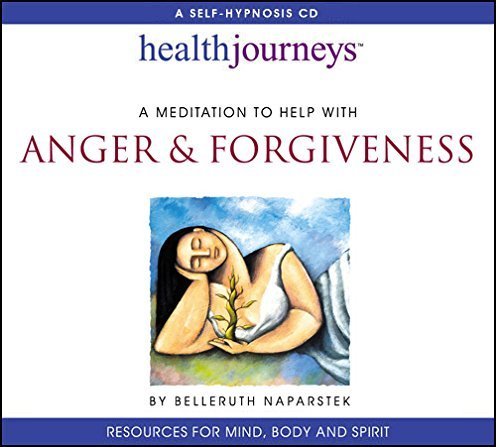
Meditation To Help with Anger & Forgiveness (Health Journeys) by Belleruth Naparstek (2002-06-01)
As an affiliate, we earn on qualifying purchases.
As an affiliate, we earn on qualifying purchases.
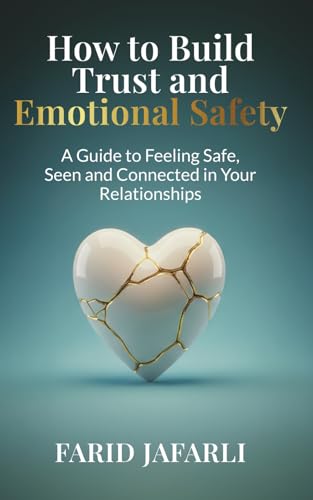
How to Build Trust and Emotional Safety: A Guide to Feeling Safe, Seen and Connected in Your Relationships (The Essential Life Mastery Series or How to Live this Life)
As an affiliate, we earn on qualifying purchases.
As an affiliate, we earn on qualifying purchases.