

To handle different conflict styles without breaking trust, focus on understanding both your and your partner’s emotional triggers and communication preferences. Practice patience and stay adaptable, using empathy and active listening to prevent disagreements from escalating. Establish ground rules, like taking breaks and avoiding blame, to create a respectful space for resolving issues. Developing a shared toolkit of communication strategies can turn conflicts into growth opportunities—exploring these techniques more deeply can strengthen your connection even further.
Key Takeaways
- Recognize and respect each partner’s conflict style to prevent misunderstandings and escalation.
- Use open, honest communication with “I” statements to express feelings without blame.
- Develop a shared toolkit of calming techniques and conflict resolution strategies.
- Practice active listening and empathy to foster understanding and trust during disagreements.
- Be patient and adaptable, giving time for both partners to adjust and strengthen emotional awareness.

When couples have different conflict styles, disagreements can quickly escalate if not managed thoughtfully. Recognizing how you and your partner approach conflicts is the first step toward handling disagreements without damaging trust. Emotional awareness plays a vital role here. By understanding your own emotional triggers and reactions, you can better navigate conflicts rather than reacting impulsively. This awareness helps you stay calm and centered, even when emotions run high, making it easier to listen and respond constructively. Similarly, paying attention to your partner’s emotional cues allows you to respond with empathy, which can de-escalate tension and foster a sense of safety in the relationship. Incorporating conflict resolution skills can further enhance your ability to address disagreements constructively.
Understanding emotional triggers helps couples manage conflicts calmly and empathetically, fostering trust and safety in the relationship.
Developing effective communication strategies is indispensable when dealing with these differences. Instead of dismissing each other’s styles, you need to find common ground that respects both approaches. For example, if your partner tends to withdraw during conflict, you might gently encourage open dialogue without pushing too hard. Conversely, if you tend to confront issues head-on, learn to give your partner space to process before revisiting the conversation. Using “I” statements can help express your feelings without sounding accusatory, which reduces defensiveness. For instance, saying “I feel hurt when we don’t talk about what’s bothering us” keeps the focus on your feelings rather than blaming.
It’s also helpful to establish ground rules for disagreements, such as taking breaks when emotions become overwhelming or agreeing to avoid name-calling. These strategies prevent conflicts from spiraling out of control and demonstrate mutual respect. Regularly practicing active listening ensures that each person feels heard and understood, reinforcing trust even amid disagreements. Reflecting back what you hear your partner say confirms your understanding and shows you value their perspective. Additionally, understanding emotional triggers can help you anticipate and manage reactions during conflicts more effectively. Recognizing the role of emotional awareness in conflict management allows couples to navigate disagreements more thoughtfully and with compassion.
Handling conflicting styles requires patience and a willingness to adapt. You can’t change your partner’s default approach overnight, but you can learn to accommodate and work with it. This might mean setting aside specific times to talk about issues or using calming techniques like deep breathing together. Over time, you’ll develop a shared toolkit of communication strategies that help bridge your differences, making conflicts less threatening and more opportunities for growth. Ultimately, by cultivating emotional awareness and implementing thoughtful communication, you preserve trust and strengthen your connection through even the toughest disagreements.

Couples Conflict Resolution Workbook: Stop Fighting. Communicate Better. Solve Problems as a Team. (Relationship Skills Series)
As an affiliate, we earn on qualifying purchases.
As an affiliate, we earn on qualifying purchases.
Frequently Asked Questions
How Can Partners Recognize Their Own Conflict Style?
You can recognize your own conflict style by developing self-awareness and paying attention to how you respond during disagreements. Notice whether you tend to withdraw, confront, or seek compromise. Reflect on past conflicts and identify patterns in your reactions. Practice conflict recognition by observing your emotions, body language, and words during disputes. This awareness helps you understand your tendencies, making it easier to communicate effectively and manage conflicts constructively.
What Are Common Misunderstandings Between Conflicting Styles?
You might think your partner’s silence means they’re avoiding, but it could be their way of processing, leading to miscommunication pitfalls. Conversely, assuming their calmness indicates agreement might cause assumption pitfalls, making you overlook their true feelings. Recognizing these misunderstandings helps you avoid conflicts that escalate from misinterpreted signals. Open dialogue and patience allow both of you to understand each other’s conflict styles, fostering trust and reducing misunderstandings.
How Do Cultural Differences Influence Conflict Resolution?
Ever wondered how cultural differences shape conflict resolution? Cultural norms influence how you express emotions and handle disagreements, often dictating whether you avoid or confront issues. Communication barriers can deepen misunderstandings, making resolution trickier. You might feel misunderstood or frustrated if your partner’s cultural background leads to different expectations. Embracing these differences involves patience and open dialogue, helping you navigate conflicts without damaging trust. Are you ready to learn from each other’s cultural perspectives?
Can Conflict Styles Change Over Time?
Yes, conflict styles can change over time as you grow and learn. You might develop better conflict adaptability, learning to handle disagreements more constructively. Style evolution occurs through experience, open communication, and self-awareness. By actively reflecting on your reactions and practicing new strategies, you can shift your approach, fostering healthier interactions. Embracing change helps both of you navigate conflicts more effectively, strengthening your relationship over time.
What Role Does Emotional Intelligence Play in Handling Conflicts?
You might wonder how emotional intelligence influences conflicts, and it’s vital. With heightened emotional awareness, you can recognize your feelings and those of your partner, preventing misunderstandings. Empathy skills allow you to truly connect, diffusing tension before it escalates. This emotional insight keeps your trust intact, turning conflicts into opportunities for growth. When you master these skills, you open a powerful way to navigate disagreements with compassion and resilience.
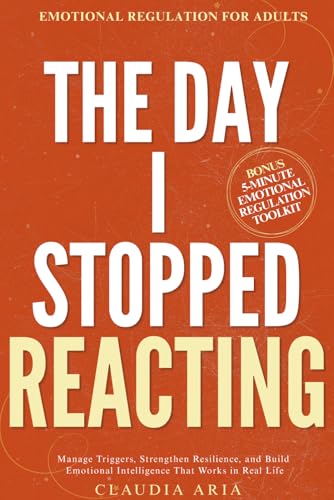
The Day I Stopped Reacting: Emotional Regulation for Adults To Manage Triggers, Strengthen Resilience, and Build Emotional Intelligence That Works in Real Life (The Rising Empaths)
As an affiliate, we earn on qualifying purchases.
As an affiliate, we earn on qualifying purchases.
Conclusion
Managing differences in conflict styles is like tending a delicate garden—you nurture understanding gently, allowing space for growth. When you both approach disagreements with patience and kindness, the trust you’ve built becomes a sturdy foundation that can weather any storm. Remember, every challenge is an opportunity to deepen your connection, turning what once felt like cracks into a beautiful mosaic of shared resilience. With care and compassion, your relationship can flourish amidst life’s inevitable differences.

The Couple Skills Workbook: Manage Conflict, Increase Trust and Intimacy, and Build a Better Relationship (New Harbinger Self-help Workbooks)
As an affiliate, we earn on qualifying purchases.
As an affiliate, we earn on qualifying purchases.
calming techniques for arguments
As an affiliate, we earn on qualifying purchases.
As an affiliate, we earn on qualifying purchases.