

To turn tense visits into team-building moments, focus on building genuine personal relationships, showing empathy, and respecting cultural differences. Use small conversations and shared interests to create natural bonding, and approach conflicts with patience and active listening. Leverage family connections and shared experiences to foster trust and cooperation. By applying these strategies, you’ll create a positive environment for collaboration. Exploring more about these techniques can help you master effective in-law diplomacy.
Key Takeaways
- Prepare by understanding family dynamics and cultural sensitivities to anticipate and address potential tensions proactively.
- Use active listening and empathetic responses to validate feelings and diffuse conflicts during visits.
- Seek common ground through shared interests or traditions to foster collaboration and strengthen bonds.
- Maintain patience and respect boundaries, turning challenging moments into opportunities for understanding.
- Incorporate small gestures and humor to create a relaxed atmosphere and promote team spirit among family members.
Recognizing the Power of Personal Relationships in Diplomacy

Personal relationships often serve as the foundation for effective diplomacy, especially in the context of in-law interactions. During family reunions and holiday visits, you have a chance to strengthen bonds naturally. When you approach these moments with genuine warmth and openness, you create a positive atmosphere that encourages connection. Small gestures, like remembering personal details or sharing stories, show you value your relatives beyond surface interactions. Building a rapport during these gatherings helps reduce tension and fosters mutual understanding. Recognizing the importance of personal relationships allows you to navigate potentially tricky situations more smoothly. By investing in authentic connections during family reunions and holiday visits, you lay the groundwork for ongoing cooperation and respect, making future interactions more harmonious. Incorporating trust-building techniques can further enhance these relationships and create a more amicable environment.
Strategies for Building Trust During High-Stakes Visits

Building trust during high-stakes visits requires deliberate effort and strategic planning. To navigate complex family dynamics, you should prepare by understanding key relationships and sensitivities. Use negotiation tactics to find common ground, emphasizing shared interests rather than differences. Engage in active listening to demonstrate genuine interest and respect, which helps diffuse tensions. Be transparent about your intentions and avoid surprises that could erode trust. Small gestures, like acknowledging everyone’s perspectives or offering genuine compliments, can build rapport quickly. Consistency matters too—follow through on promises to show reliability. Additionally, understanding the importance of contrast ratio can help you create a more comfortable environment by adjusting lighting and visuals to reduce strain and foster openness. By carefully managing family dynamics and employing effective negotiation tactics, you foster an environment of trust, turning tense moments into opportunities for cooperation and long-term relationship strengthening.
The Role of Empathy in Diffusing Tensions

Empathy plays a vital role in easing tensions with your in-laws, and active listening is key to understanding their perspectives. By recognizing cultural nuances, you show respect and foster genuine connections. When you express sincere care, it helps create a more harmonious environment for everyone involved. Incorporating personal touches, such as sharing stories or family traditions, can further bridge gaps and build trust.
Active Listening Strategies
Active listening plays a crucial role in diffusing tensions during in-law interactions by fostering genuine understanding. When conversations touch on sensitive topics like banquet etiquette or gift giving, showing that you truly hear and respect their perspectives can ease discomfort. Use active listening techniques such as nodding, maintaining eye contact, and paraphrasing what’s said to demonstrate engagement. Avoid interrupting and instead, ask clarifying questions to show curiosity rather than judgment. This approach helps you identify underlying concerns or expectations, making it easier to address potential misunderstandings. By practicing empathy through active listening, you create a safe space that encourages open dialogue. Incorporating beneficial nutrients and antioxidants found in natural honey can serve as a subtle topic to connect over shared interests or cultural traditions, further easing tension. Over time, this builds trust and turns potentially tense moments into opportunities for connection.
Recognizing Cultural Nuances
Recognizing cultural nuances is essential for diffusing tensions, as it requires you to see beyond surface-level differences and understand the deeper meanings behind behaviors and customs. When you grasp these subtleties, you can avoid cultural misunderstandings and diplomatic faux pas that could escalate conflicts. By approaching interactions with empathy, you show respect and openness, making others feel valued.
| Cultural Aspect | Deeper Meaning |
|---|---|
| Greeting customs | Reflects personal space and respect traditions |
| Eye contact | Indicates confidence or respect, varies by culture |
| Gift-giving | Symbolizes appreciation or apology |
| Silence | Signifies respect, disagreement, or contemplation |
| Meal etiquette | Demonstrates social harmony and status |
Expressing Genuine Care
Understanding cultural nuances helps you navigate interactions smoothly, but true connection goes beyond surface-level customs. Showing genuine care requires empathy, which can ease tensions and foster trust. Use humor relief and casual conversations to create a relaxed atmosphere, making everyone feel valued. Here are three ways to express authentic concern: 1. Listen actively and acknowledge feelings without judgment. 2. Share personal stories that demonstrate understanding and vulnerability. 3. Use light humor or casual chats to break the ice and build rapport. Incorporating natural pool ideas into your backyard can also create a welcoming environment that encourages open, friendly interactions.
Turning Small Interactions Into Diplomatic Opportunities

Small interactions with in-laws can serve as powerful opportunities to build goodwill and strengthen relationships if you approach them thoughtfully. Engage in small talk to create a relaxed atmosphere and show genuine interest in their lives. These casual conversations can reveal shared values or common interests, laying the groundwork for trust. Additionally, thoughtful gift giving during visits or special occasions demonstrates appreciation and consideration, helping to foster positive feelings. Keep gifts simple and meaningful—something that shows you pay attention without overdoing it. By turning these small moments into opportunities for connection, you can avoid misunderstandings and create a foundation of respect and friendliness. Incorporating electric bikes or other shared hobbies can also add a fun and modern touch to interactions, making the visits more memorable. Small talk and thoughtful gestures become valuable tools in transforming tense visits into collaborative, friendly encounters.
Leveraging Family Connections to Foster Cooperation
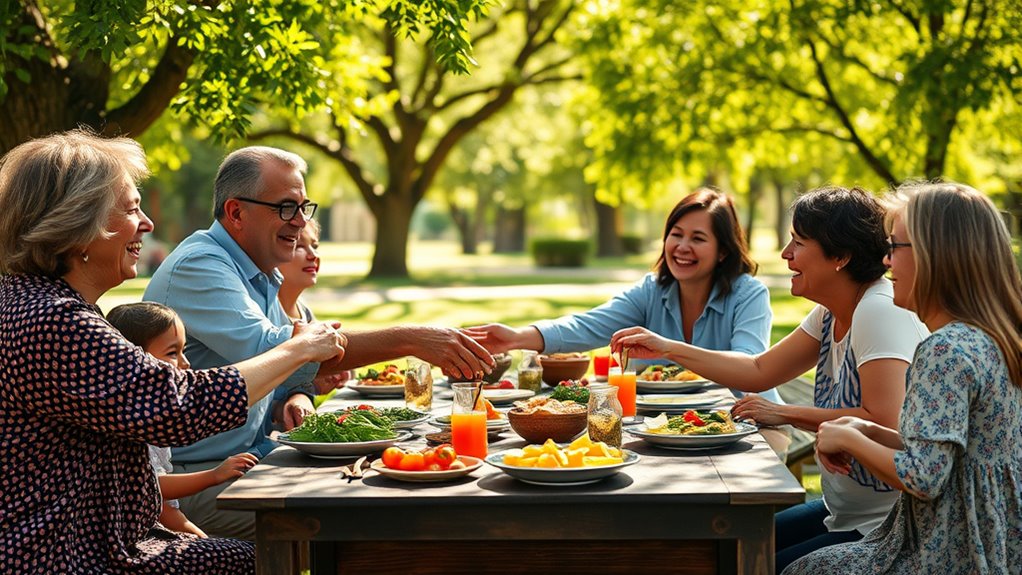
You can strengthen cooperation by highlighting shared family interests that align with everyone’s goals. Cultural bonding opportunities, such as celebrations or traditions, create natural moments for connection. Building personal relationships through genuine conversations helps establish trust and opens pathways for collaboration. Incorporating shared experiences like riding together with a Vetted electric bike conversion kit can further enhance mutual understanding.
Shared Family Interests
Shared Family Interests (Leveraging Family Connections to Foster Cooperation)
How can shared family interests become powerful tools for fostering cooperation between in-laws? By focusing on common ground, you create opportunities for genuine connection and teamwork. Shared hobbies can spark enthusiasm and build rapport, while interpersonal humor eases tension and creates memorable moments. When everyone participates in activities they enjoy, it encourages open communication and mutual respect. To deepen these bonds, consider:
- Organizing family outings centered on mutual hobbies, like hiking or cooking.
- Sharing funny stories or humorous anecdotes during gatherings to promote interpersonal humor.
- Encouraging family members to discover new shared interests together, fostering teamwork and camaraderie.
- Monitoring market trends and insights to identify shared goals and opportunities for collaborative planning.
These approaches turn casual interactions into meaningful collaborations, transforming tense visits into opportunities for relationship growth through shared interests.
Cultural Bonding Opportunities
Building on shared family interests, embracing cultural bonding opportunities can substantially strengthen in-law relationships. Engaging in activities that highlight your partner’s cultural background fosters intercultural communication and deepens understanding. For example, sharing traditional foods or participating in cultural festivals creates meaningful moments that build trust. Using emotional intelligence helps you read subtle cues and respond appropriately, demonstrating respect and genuine curiosity. These efforts show you value your in-laws’ heritage, encouraging reciprocity. When you approach cultural differences with openness and an enthusiastic eagerness to learn, you reduce misunderstandings and promote cooperation. Recognizing the importance of relationship-building techniques can further enhance your ability to connect with family members. Over time, these shared cultural experiences become a foundation for stronger bonds, transforming tense visits into opportunities for connection and collaboration.
Personal Relationship Building
Leveraging family connections can substantially enhance cooperation between in-laws by fostering personal relationships rooted in trust and familiarity. By understanding interpersonal dynamics and applying emotional intelligence, you create a foundation for smoother interactions. To deepen this connection, consider these approaches:
- Share personal stories to build empathy and trust, strengthening emotional bonds.
- Recognize and respect each other’s communication styles to navigate differences effectively.
- Offer genuine compliments or appreciation, reinforcing positive interactions and mutual respect.
- Being aware of and accommodating different comfort solutions can also help ease tension during visits.
Focusing on these strategies helps transform tense visits into opportunities for genuine connection. As you develop personal relationships based on trust, you naturally foster cooperation, making future interactions more collaborative and less stressful. Building these ties ultimately creates a resilient, supportive family dynamic.
Managing Cultural Differences for Harmonious Engagements
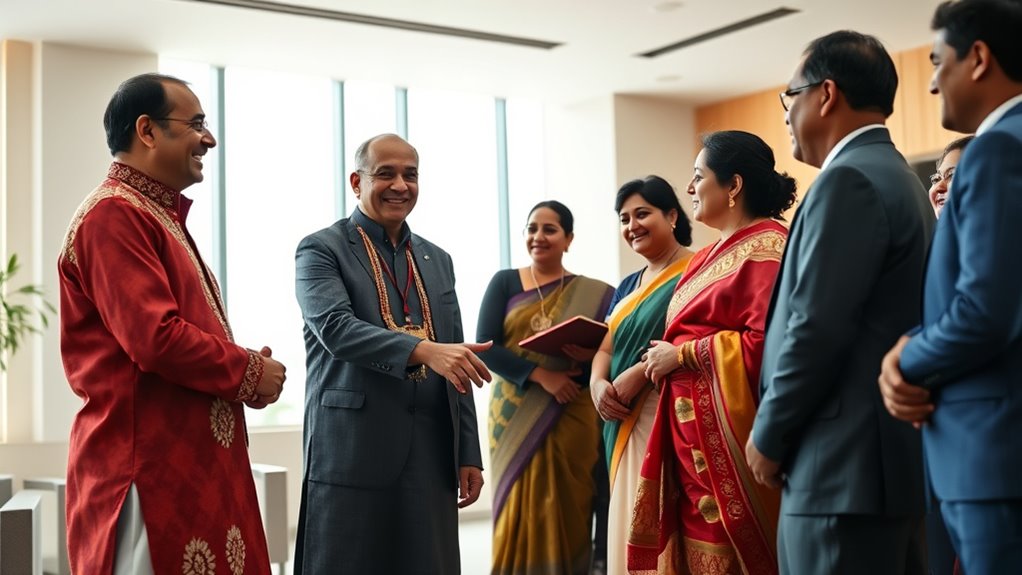
Exploring cultural differences is essential for fostering harmonious in-law relationships, especially when traditions and customs vary substantially. You should familiarize yourself with different business etiquette norms, such as greetings, gift-giving, and dining manners, to show respect and openness. Be mindful of language barriers—speak clearly and avoid slang or idioms that may cause confusion. Using simple language and confirming understanding helps prevent miscommunications. Show genuine interest in your in-laws’ cultural practices, and ask respectful questions to learn more. Demonstrating adaptability and patience signals your willingness to bridge differences. By acknowledging these variations and adjusting your approach, you create a respectful environment where everyone feels valued, turning potential misunderstandings into opportunities for connection.
Case Studies of Successful In-Law Diplomacy Initiatives

You’ll find that real-life examples highlight how family event collaboration fosters unity and understanding. Implementing cultural exchange strategies can bridge differences and strengthen bonds. These success stories also demonstrate how effective conflict resolution keeps relationships resilient and respectful.
Family Event Collaboration
Family event collaboration often serves as a powerful platform for in-law diplomacy, transforming potential tensions into opportunities for bonding. By planning joint activities, you create shared experiences that foster understanding and trust. Successful initiatives often include:
- Coordinating family vacations or reunions that incorporate discussions about estate planning, ensuring everyone’s interests are addressed early.
- Hosting casual dinners or celebrations where family members can casually discuss topics like marriage counseling, promoting openness.
- Establishing traditions that encourage collaborative decision-making, helping to smooth over conflicts and build a team environment.
These approaches turn tense visits into opportunities for growth. When you focus on common goals and shared moments, you lay the groundwork for healthier relationships within your family.
Cultural Exchange Strategies
Cultural exchange strategies have proven highly effective in fostering in-law diplomacy by promoting mutual understanding through shared experiences. By engaging in activities that highlight each family’s traditions, you improve intercultural communication and build respect. For example, hosting a cultural dinner allows everyone to share dishes and stories, creating a sense of connection. Observing diplomatic etiquette, such as respectful greetings and attentive listening, ensures interactions remain positive and respectful. These initiatives help break down barriers and dispel misconceptions, turning potential tension into teamwork. Successful case studies show that when both sides actively participate in cultural exchanges, they develop empathy and open-mindedness. Ultimately, these strategies create a foundation for lasting relationships, transforming tense visits into opportunities for genuine bonding.
Conflict Resolution Success
Building on the success of cultural exchanges, many in-law diplomacy initiatives have focused on resolving conflicts through strategic communication and understanding. These efforts mirror celebrity diplomacy, where high-profile figures ease tensions through personal engagement. Successful case studies highlight three key strategies:
- Active Listening: You listen to concerns without judgment, fostering mutual respect.
- Empathy Building: You acknowledge differing perspectives, easing hostility.
- Negotiation Tactics: You apply corporate negotiation techniques, finding common ground and mutual benefits.
Practical Tips for Diplomats to Navigate Difficult Encounters

When you face difficult encounters with in-laws, staying calm and composed is essential. Practice effective interpersonal communication by listening actively and avoiding interruptions, which helps de-escalate tension. Maintain diplomatic etiquette by being respectful, even if conversations become heated—this demonstrates maturity and control. Use neutral language and avoid defensive reactions to keep the dialogue constructive. Remember, body language matters: maintain eye contact, keep an open posture, and stay relaxed. If tensions rise, politely suggest taking a break or changing the subject. Preparing in advance helps, so think through potential issues and how to respond calmly. By demonstrating patience and respecting boundaries, you turn challenging moments into opportunities for understanding and diplomacy.
The Long-Term Benefits of Team-Building in International Relations

Long-term team-building in international relations fosters trust, cooperation, and mutual understanding among nations. By developing strong interpersonal skills, you improve communication, making negotiations more effective. Over time, nations learn to rely on each other’s commitment, reducing misunderstandings. This foundation allows for more innovative negotiation tactics, as trust encourages openness and flexibility.
Long-term international team-building builds trust, improves communication, and fosters innovative, effective negotiations.
Consider these benefits:
- Enhanced interpersonal skills that facilitate smoother dialogues and stronger alliances.
- Improved negotiation tactics resulting from familiarity and trust, leading to mutually beneficial agreements.
- Increased resilience in diplomatic relationships, helping nations navigate crises more collaboratively.
Ultimately, sustained team-building creates a diplomatic environment where collaboration thrives, making international relations more stable and productive over the long term.
Overcoming Challenges: Turning Conflict Into Collaboration
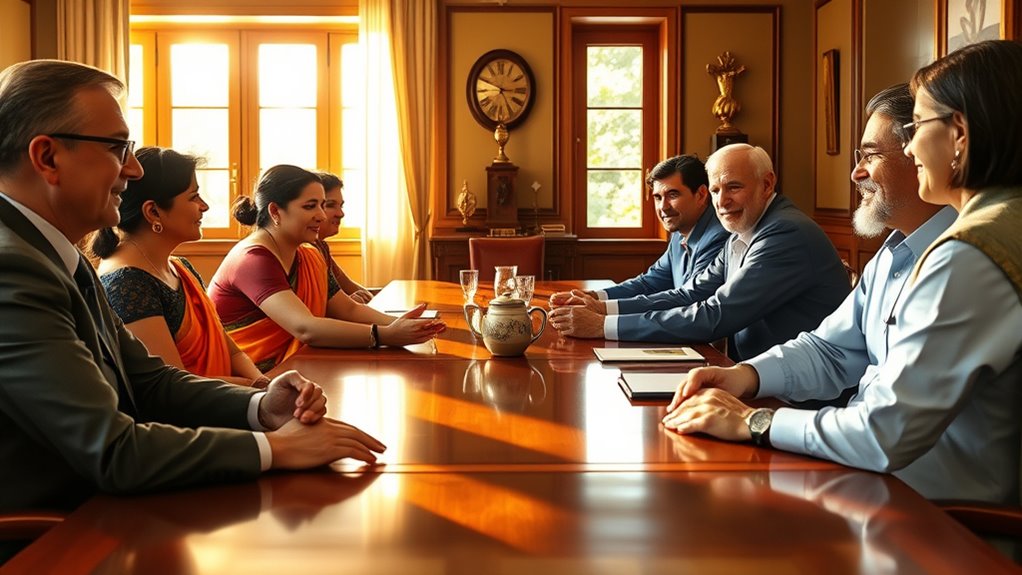
Conflicts between nations are inevitable, but turning these disputes into opportunities for collaboration requires strategic diplomacy and a willingness to listen. You can navigate tensions by addressing cultural misinterpretations and respecting diplomatic protocol. Recognize that misunderstandings often stem from differing customs or communication styles. Use diplomacy to clarify intentions and build trust. Here’s a simple approach:
| Step | Action | Focus |
|---|---|---|
| Identify Conflict | Understand the root cause | Cultural misinterpretations |
| Engage Diplomatically | Follow established protocols | Diplomatic protocol |
| Find Common Ground | Collaborate on solutions | Mutual interests |
Frequently Asked Questions
How Can Informal Family Interactions Impact Formal Diplomatic Negotiations?
You might not realize it, but informal family interactions can profoundly impact formal diplomatic negotiations. Family bonding creates trust and rapport, fostering a more cooperative atmosphere. When you engage in informal diplomacy, it helps break down barriers, making negotiations smoother. These moments build personal connections, encouraging openness and understanding. By leveraging informal diplomacy through family bonding, you can turn tense visits into opportunities for team-building, ultimately strengthening diplomatic relationships and achieving better outcomes.
What Are Some Cultural Pitfalls to Avoid During In-Law Diplomacy?
When maneuvering in-law diplomacy, you should be aware of cultural misunderstandings and etiquette missteps that can escalate tensions. Avoid assumptions about customs, language, or traditions, and respect local norms to prevent miscommunication. Be sensitive to differences in gift-giving, dining etiquette, or greetings. Showing genuine curiosity and humility helps build rapport, turning potential conflicts into opportunities for connection and mutual understanding.
How Do Personal Relationships Influence Diplomatic Decision-Making Processes?
Think of personal relationships as the secret ingredient in diplomacy—like the thread weaving a tapestry. Your family dynamics shape trust building and influence decision-making processes. When you nurture genuine connections, you’re more likely to foster cooperation and understanding. Personal bonds can transform tense encounters into opportunities for collaboration, making diplomatic efforts smoother and more effective. Ultimately, strong relationships serve as the foundation for better communication and successful outcomes.
What Role Do Non-Verbal Cues Play in Tense Diplomatic Visits?
During tense diplomatic visits, non-verbal cues like facial expressions and body language play a vital role. You can often gauge true feelings and level of agreement through a subtle smile or a clenched jaw. Maintaining open body language shows receptiveness, while avoiding closed gestures signals your willingness to collaborate. Being attentive to these cues allows you to adjust your approach, potentially easing tensions and fostering a more productive dialogue.
How Can Diplomats Effectively Balance Personal and Professional Boundaries?
You can effectively balance personal and professional boundaries by practicing clear boundary setting, which aids in conflict resolution during tense situations. Stay respectful and focused on common goals, avoiding personal overreach, while maintaining professionalism. Recognize when emotional triggers arise and take a step back. By setting boundaries early and communicating openly, you foster trust and create a collaborative environment, turning potential conflicts into opportunities for teamwork and mutual understanding.
Conclusion
By embracing personal connections and showing genuine empathy, you can turn tense visits into opportunities for teamwork. Remember, it’s often the small moments that build bridges, not big gestures. Use family ties and shared experiences as stepping stones toward collaboration. When you approach these encounters with patience and understanding, you’ll find that even the most challenging situations can bloom into fruitful partnerships—proving that sometimes, it’s the calm before the storm that leads to clear skies ahead.