

To recognize depression or anxiety in your partner, pay attention to changes in mood, energy, or behavior. They may withdraw from activities, show persistent sadness, or worry excessively. Look for signals like altered sleep or eating habits, irritability, or physical complaints. Approaching these signs with compassion and patience can help you create a safe space for them to share. Stay tuned to discover ways to support your partner effectively and strengthen your relationship.
Key Takeaways
- Observe persistent sadness, withdrawal, or loss of interest as potential signs of depression in your partner.
- Note changes in sleep, appetite, or energy levels that may indicate mental health struggles.
- Watch for constant worry, irritability, or physical symptoms linked to anxiety.
- Foster open communication and create a safe space for your partner to share feelings without judgment.
- Encourage professional help and support their journey toward recovery with patience and understanding.

Marriage can considerably influence your mental health, shaping both your emotional well-being and daily resilience. When you’re deeply connected to your partner, your mental health becomes intertwined with theirs, making it essential to recognize signs of struggles like depression or anxiety. Unfortunately, mental health stigma often makes it difficult for partners to open up about their feelings, fearing judgment or misunderstanding. This reluctance can create emotional distance, making it harder for you to notice when something’s wrong. Building emotional intimacy is essential in these situations, as it fosters a safe environment where your partner feels comfortable sharing their inner experiences without fear of shame. If you notice changes in their mood, energy, or behavior, don’t dismiss them or assume they’re just going through a rough patch. Instead, approach the situation with compassion and patience, encouraging open dialogue and reassurance that you’re there to support them.
Recognizing depression or anxiety in your partner requires attentiveness. Look for persistent sadness, withdrawal from activities they once enjoyed, or noticeable shifts in sleep and appetite. Anxiety might manifest as constant worry, irritability, or physical symptoms like headaches or stomach issues. These signs can be subtle at first, but if they persist, it’s a clear signal that your partner needs help. Remember, mental health stigma can make it hard for them to admit they’re struggling, so your gentle approach is essential. Instead of pressuring them to open up immediately, create a supportive environment where they feel safe to share their feelings at their own pace. Sometimes, just being present and listening without judgment can make a significant difference. Additionally, understanding Free Floating anxiety or depression can help you better comprehend the nature of their struggles and how they might fluctuate without obvious triggers.
It’s also important to recognize your own role in supporting your partner’s mental health. Cultivating emotional intimacy helps you both develop a stronger bond, making it easier for your partner to seek help when needed. Encourage professional support if necessary, and reassure them that seeking help is a sign of strength, not weakness. Keep in mind that mental health issues are common, and your understanding can help break down barriers created by stigma. By staying attentive, compassionate, and patient, you create a foundation where your partner feels valued and supported. This not only benefits their mental health but also deepens your connection, strengthening your marriage against emotional challenges. Ultimately, your awareness and care can be the turning point in your partner’s journey toward recovery and emotional stability.

When Two Hearts Are Tired: How Couples Can Survive Postpartum Depression, Anxiety, and the Identity Shift of New Parenthood Together
As an affiliate, we earn on qualifying purchases.
As an affiliate, we earn on qualifying purchases.
Frequently Asked Questions
How Can I Support My Partner Without Overstepping Boundaries?
You support your partner by respecting emotional boundaries and practicing active listening. Show empathy without pushing for details they’re uncomfortable sharing. Let them set the pace, and reassure them you’re there for them without judgment. Use active listening to really hear their feelings, and avoid offering solutions unless they ask. This approach helps them feel safe and understood, strengthening trust without overstepping any boundaries.
What Are the Signs of Depression or Anxiety That I Might Miss?
You might miss subtle behavioral changes like withdrawal, irritability, or loss of interest, which often go unnoticed. Physical symptoms such as fatigue, aches, or sleep disturbances can also be overlooked as normal. Trust your instincts—these signs may seem minor but could indicate depression or anxiety. Keep open communication and gently ask about how they’re feeling, as early recognition helps them get the support they need.
When Should I Encourage My Partner to Seek Professional Help?
If your partner shows persistent signs of depression or anxiety, you should encourage seeking therapy immediately, especially if they’re facing mental health stigma. When their mood, behavior, or daily functioning declines for weeks, it’s time to suggest professional help. Remind them that seeking therapy isn’t a sign of weakness but a positive step. Supporting their mental health can foster healing, so don’t hesitate to gently encourage them to get the help they need.
How Do I Address My Own Mental Health While Supporting My Partner?
To address your mental health while supporting your partner, prioritize self-care strategies like regular exercise, adequate sleep, and taking breaks when needed. Set boundaries to protect your emotional resilience and avoid burnout. Remember, it’s okay to seek your own support through therapy or trusted friends. Maintaining your well-being helps you stay strong and compassionate, so you can effectively support your partner without neglecting your mental health.
Are There Specific Communication Strategies for Discussing Mental Health Issues?
When discussing mental health issues, use clear, compassionate communication strategies. Practice active listening to show you’re fully present, and offer empathetic responses to validate feelings. Ask open-ended questions to encourage openness, and speak gently to foster trust. Remember, patience and understanding create a safe space. By balancing active listening with empathetic responses, you help your partner feel heard, respected, and supported throughout difficult conversations.

BeHoomi Steam Eye Mask, 10 Packs Heated Eye Mask, Self Heating Disposable SPA Warm Compress for Eyes Sleep Mask, Travel Essentials & Relaxation Gifts, Valentine's Day Gifts (Lavender Scent)
Self Heating Steam Eye Mask: 2 Steps to use BeHoomi Steam eye mask, just open and put on,…
As an affiliate, we earn on qualifying purchases.
As an affiliate, we earn on qualifying purchases.
Conclusion
As you observe your partner’s behavior, remember that recognizing the signs of depression or anxiety can be life-changing. But what if those quiet struggles are hiding something more profound? Stay attentive, trust your intuition, and know that your support could be the key to their healing. The true challenge lies ahead—will you be ready to face it together? The next step could change everything, and only time will tell what lies beneath the surface.

Mental Health Mood Journal: Track your Mood, Gratitude, Sleep, Self-Love, Energy & Stress Levels, Emotions, Water, Goals, and more!
As an affiliate, we earn on qualifying purchases.
As an affiliate, we earn on qualifying purchases.
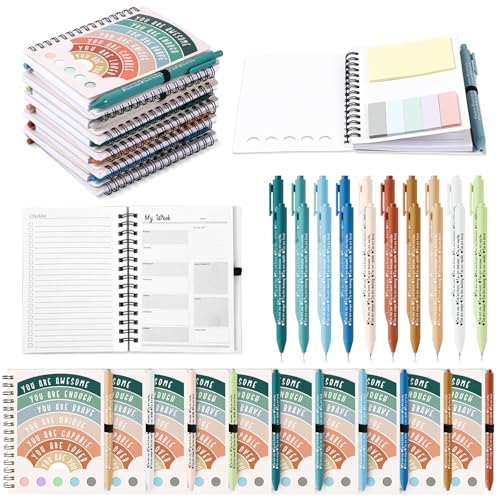
Janlaugh 20 Pcs Mental Health Awareness Gifts Wellness Gifts Bulk Include 10 Mental Health Planners Journals with Sticky Notes 10 Positive Affirmation Pens Self Care Item for Coworker Teacher Student
Mental Health Theme Set: you will receive 10 weekly planner notebooks, each with 50 sheets/100 pages, 10 motivational…
As an affiliate, we earn on qualifying purchases.
As an affiliate, we earn on qualifying purchases.