

To plan for retirement together, you and your partner should openly discuss your individual visions, priorities, and goals. Aligning expectations involves regular conversations about lifestyle choices, investment strategies, and risk tolerance. Develop shared objectives and review progress regularly to stay on track. Flexibility and ongoing communication help adapt your plans to life’s changes. continue learning how structured partnership efforts can strengthen your financial security and help you both enjoy a fulfilling retirement.
Key Takeaways
- Maintain open communication to discuss individual retirement visions and priorities regularly.
- Set clear, shared goals and milestones to ensure mutual understanding and motivation.
- Develop diversified investment strategies aligned with both partners’ risk tolerances and goals.
- Regularly review and adjust plans to accommodate life changes and evolving circumstances.
- Foster shared responsibility and active involvement in decision-making to strengthen partnership and financial security.

Retirement planning is a crucial journey that’s best undertaken with your partner. When you work together to set clear goals and expectations, you create a solid foundation for your future. One of the first steps is to discuss your individual visions of retirement—what kind of lifestyle you want, where you’d like to live, and what activities will bring you joy. These conversations help you align your priorities and identify common ground. Once you understand each other’s aspirations, you can develop effective investment strategies that support these goals. It’s essential to diversify your investments and choose options that match your risk tolerance and time horizon. By doing so, you can maximize growth while protecting your savings from market swings. Risk management becomes a critical part of your strategy, ensuring you’re prepared for unforeseen events and economic downturns. This involves regularly reviewing your portfolio, adjusting your allocations as needed, and maintaining an emergency fund to cover unexpected expenses. When both of you are involved in these decisions, it fosters shared responsibility and reduces surprises down the line.
Open communication about finances is key. It’s easy to assume your partner understands your perspectives, but explicit conversations about risk appetite, investment choices, and long-term plans prevent misunderstandings. Make a habit of discussing your progress regularly—whether monthly or quarterly—so you can stay aligned and make adjustments together. Setting joint milestones keeps you motivated and accountable, whether that’s reaching a savings target or choosing a specific investment mix. Remember, retirement planning isn’t just about accumulating wealth; it’s about ensuring your savings will support your desired lifestyle without undue stress. That’s why balancing risk and reward through thoughtful investment strategies is so important. You want to grow your nest egg but also safeguard it against potential setbacks. Additionally, understanding the importance of special occasions like milestones and celebrations can motivate you to stay committed to your goals.
Finally, keep in mind that your plans may evolve over time. Life changes—such as new careers, health issues, or family needs—can influence your goals. Staying flexible and maintaining open lines of communication allow you to adapt your strategy as needed. When you and your partner actively participate in shaping your retirement plan, you foster a sense of partnership and shared purpose. This collaborative approach not only enhances your financial security but also strengthens your relationship, making the journey toward retirement a positive, unified effort.

A Richer Retirement: Supercharging the 4% Rule to Spend More and Enjoy More
As an affiliate, we earn on qualifying purchases.
As an affiliate, we earn on qualifying purchases.
Frequently Asked Questions
How Can We Handle Differences in Risk Tolerance?
You can handle differences in risk tolerance by discussing your individual investment strategies openly and honestly. Focus on finding emotional compatibility by respecting each other’s comfort levels and working towards a balanced portfolio that suits both. Consider diversifying investments so that one person’s higher risk appetite balances with the other’s conservative approach. Regularly review and adjust your plans together, ensuring both partners feel secure and aligned in your shared retirement goals.
What if Our Retirement Goals Change Over Time?
Think of your retirement goals as a garden that blooms differently over time. If your dreams for travel plans or retirement hobbies shift, you can prune and nurture them accordingly. Stay flexible and communicate openly, adjusting your plans as new passions or interests emerge. This way, your shared journey remains joyful and fulfilling, no matter how your vision for the ideal retirement evolves. Keep watering those dreams together.
How Do We Prioritize Savings Versus Debt Repayment?
You should prioritize debt repayment if high-interest debts threaten your financial stability, then shift focus to savings and investments. Balance your investment strategies by allocating funds toward retirement accounts and exploring income diversification options to safeguard against market fluctuations. This approach ensures you’re reducing liabilities while building a solid financial foundation for retirement, allowing you to adapt your priorities as your goals evolve over time.
How Can We Plan for Unexpected Healthcare Costs?
Think of planning for unexpected healthcare costs like steering through a stormy sea. To weather medical emergencies and long-term care needs, build an emergency fund specifically for health-related surprises. Consider purchasing supplemental insurance or long-term care policies to reduce financial strain. Regularly review your healthcare coverage and stay informed about potential costs. This proactive approach helps guarantee you’re prepared for anything life throws your way, keeping your retirement dreams intact.
What Role Does Estate Planning Play in Joint Retirement?
Estate planning plays a vital role in joint retirement by ensuring your wishes are clear. You handle inheritance planning to protect your assets and provide for loved ones, and establishing a power of attorney allows you to designate someone to manage your affairs if needed. This preparation helps you both avoid conflicts, reduce stress, and maintain control over your estate, giving you peace of mind as you enjoy your retirement together.
diversified investment portfolio for couples
As an affiliate, we earn on qualifying purchases.
As an affiliate, we earn on qualifying purchases.
Conclusion
As you and your partner walk hand in hand into your shared future, remember that aligning your goals creates a sturdy bridge over any uncertainties. Visualize your retirement as a peaceful garden, flourishing because you’ve planned thoughtfully together. When you communicate openly and set mutual expectations, you cultivate a space where your dreams can grow. Together, you’ll enjoy a sunset of comfort and joy, knowing your joint efforts have paved the way for a truly fulfilling retirement.
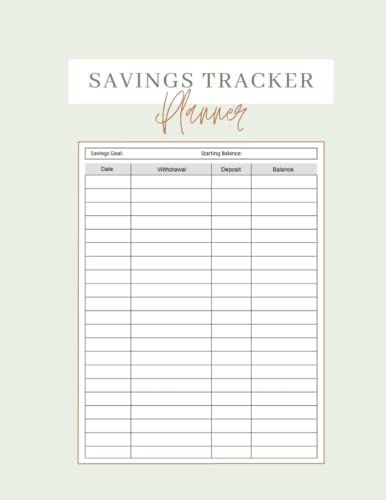
Savings Tracker Planner: A Logbook To Keep Track Of Your Savings Progress – Simple Savings Record Book
As an affiliate, we earn on qualifying purchases.
As an affiliate, we earn on qualifying purchases.

The 5 Years Before You Retire, Updated Edition: Retirement Planning When You Need It the Most
As an affiliate, we earn on qualifying purchases.
As an affiliate, we earn on qualifying purchases.