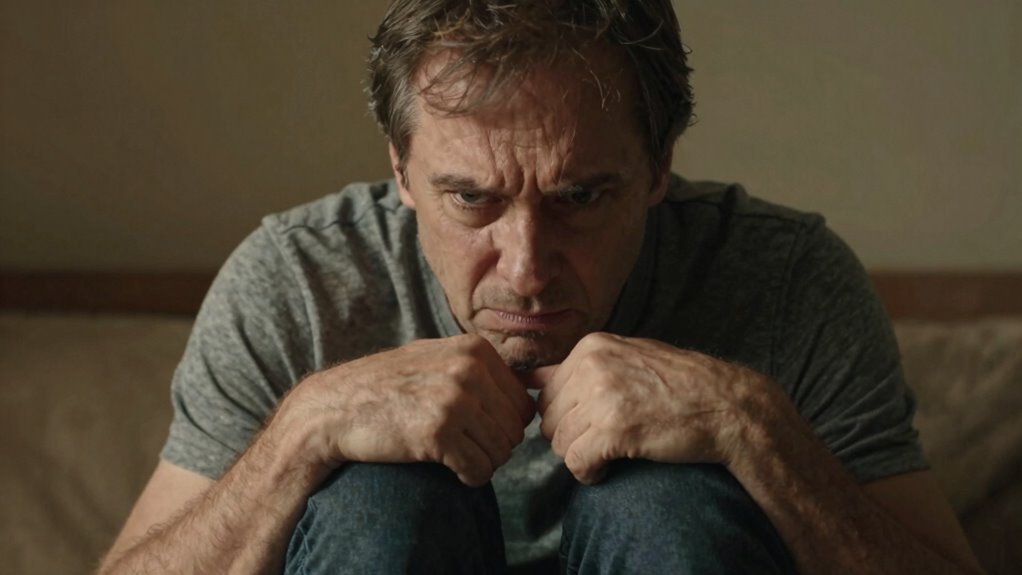

If you’re a man experiencing burnout, you might find anger more visible than sadness because societal norms discourage showing vulnerability. You’re often told that toughness means controlling emotions, so you suppress feelings like sadness or fear. Instead, anger becomes the standard outlet, masking deeper exhaustion and frustration. This emotional suppression makes burnout harder to recognize and address. Understanding how culture influences your reactions is essential for healthier coping—stick around to explore how breaking these patterns can lead to healing.

Get self-care and calm essentials delivered free — and shop member deals
- Fast, free delivery on millions of items
- Access to Prime Big Deal Days deals on October 6–7
- Prime Video, Amazon Music and more included
Key Takeaways
- Societal norms encourage men to express anger, viewing vulnerability and sadness as unmasculine.
- Suppressing feelings like sadness intensifies stress, often manifesting externally as irritability or anger.
- Anger acts as a socially acceptable outlet for emotional distress, masking underlying exhaustion or despair.
- Recognizing societal pressures helps explain why men often avoid expressing vulnerability when burned out.
- Addressing emotional suppression allows men to process feelings healthily, reducing burnout-related anger.
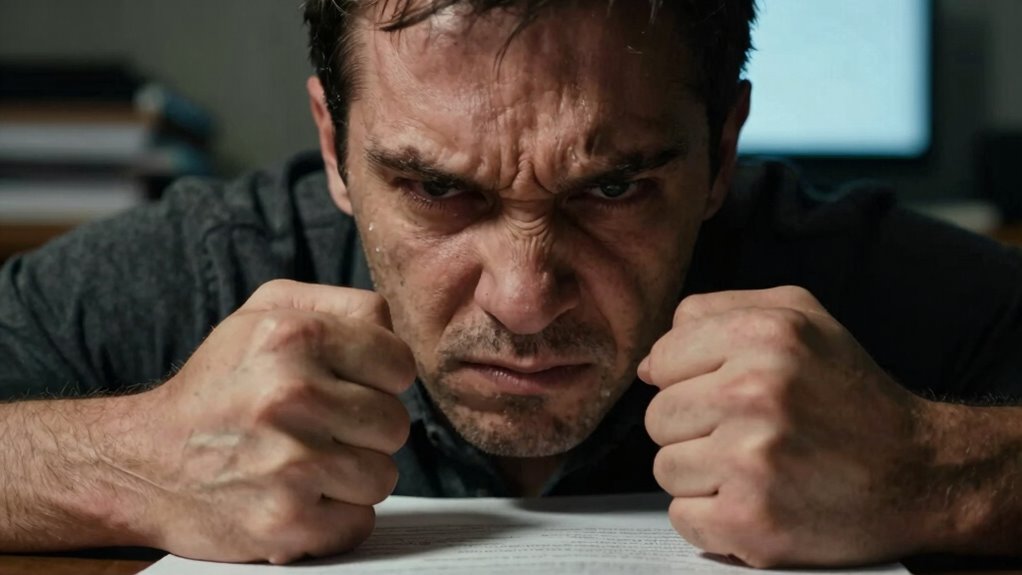
When men experience burnout, they often don’t express their exhaustion through sadness or tears but instead display heightened anger and frustration. This isn’t a coincidence. It’s rooted in how society expects men to handle their emotions. From a young age, many men are taught to suppress feelings that could be seen as vulnerability, like sadness or fear. Instead, they’re encouraged to appear strong, stoic, and in control. This emotional suppression becomes a default response to stress or overwhelm, especially when burnout hits hard. Additionally, the way emotions are processed can be influenced by projector technology, affecting how men perceive and express their feelings. Rather than crying or seeking help, men may lash out, feel irritable, or become aggressive. Society’s expectations shape this behavior, making anger a more socially acceptable outlet for their inner turmoil. Recognizing these societal influences is crucial to understanding emotional suppression and its effects on mental health.
You might notice that when you’re overwhelmed, you don’t cry or talk about feeling exhausted. Instead, you get irritable, snap at loved ones, or feel a constant sense of frustration. That’s your mind’s way of coping with emotional suppression. Because expressing sadness may feel like admitting weakness, you push those feelings down. Over time, this suppression doesn’t make the stress go away; it intensifies, turning internal pressure into outward anger. Society’s narrow definition of masculinity reinforces this pattern. Men are often told to “toughen up,” “be a man,” or “keep it together,” which discourages emotional openness. Consequently, anger becomes a more accessible emotion, even when what you’re really feeling is exhaustion or despair. Recognizing the impact of societal expectations can help you understand why these patterns develop and how they influence your response to stress.
This dynamic can make burnout harder to recognize and address. Instead of seeking support or acknowledging vulnerability, you might dismiss your feelings as just part of “being a man.” You might think that showing sadness isn’t acceptable or that it makes you less masculine. As a result, you carry the burden alone, which fuels the cycle of emotional suppression. The tendency to suppress emotions is also reflected in how society often encourages to “toughen up” and avoid vulnerability, making it more difficult to seek help. The anger you feel is, in many ways, a shield—a way to avoid facing deeper feelings of fatigue or helplessness. Recognizing this pattern is essential. It’s a sign that societal expectations have influenced how you’re coping, and that acknowledging your true feelings could be a key step toward healing. Burnout isn’t just physical exhaustion; it’s emotional too, and understanding that is vital to breaking free from the cycle.
As an affiliate, we earn on qualifying purchases.
Frequently Asked Questions
How Can Men Recognize Burnout Without Obvious Signs?
You can recognize burnout without obvious signs by paying attention to emotional awareness and stress indicators. Notice if you feel irritable, impatient, or overwhelmed more often than usual. Physical signs like fatigue or headaches, and changes in sleep or appetite, also signal burnout. Being mindful of these subtle cues helps you address stress early, preventing anger from masking deeper emotional exhaustion. Regular check-ins with yourself are key to staying aware.
What Are the Long-Term Effects of Untreated Burnout?
If you leave burnout untreated, it can weaken your emotional resilience and make stress management harder. Over time, you might experience chronic fatigue, anxiety, depression, or physical health issues. You may also struggle with relationships, work performance, and overall well-being. Recognizing early signs and addressing them helps prevent these long-term effects, so prioritize self-care, seek support, and develop healthy stress management techniques to maintain your mental and emotional health.
How Does Societal Expectation Influence Men’s Emotional Expression?
Societal expectations heavily influence your emotional expression through masculine norms that prioritize strength and stoicism. These norms lead you to suppress emotions like sadness and vulnerability, often resulting in emotional suppression. As a result, you might express frustration or anger instead of sadness, making it harder to seek support or process feelings healthily. Challenging these norms can help you feel more comfortable expressing a full range of emotions authentically.
Are There Specific Occupations More Associated With Burnout in Men?
Certain occupations, like construction, law enforcement, and healthcare, often see higher burnout rates in men due to demanding work life balance and intense emotional awareness demands. You might notice increased anger or frustration in these roles, reflecting emotional suppression. Recognizing these patterns helps you address burnout early, encouraging healthier emotional expression and balance. Prioritizing self-care and fostering emotional awareness can prevent burnout from escalating in these high-stress fields.
What Strategies Effectively Reduce Anger Linked to Burnout?
To reduce anger linked to burnout, focus on building your emotional resilience through mindfulness and self-awareness. Practice stress management techniques like deep breathing, exercise, or journaling to help process emotions effectively. Setting boundaries and delegating tasks can also prevent overwhelm. By actively managing stress and strengthening your emotional resilience, you’ll find it easier to handle frustrations calmly, preventing anger from escalating and helping you recover from burnout more quickly.
As an affiliate, we earn on qualifying purchases.
Conclusion
Recognizing that burnout often manifests as anger rather than sadness in men can be eye-opening. When you understand this, it becomes easier to address underlying issues before they escalate. Are you paying attention to the signals your emotions are sending you? By tuning into these subtle cues, you can seek support and find healthier ways to cope. After all, isn’t it worth prioritizing your mental well-being before anger takes over?
self-help journal for emotional health
As an affiliate, we earn on qualifying purchases.
As an affiliate, we earn on qualifying purchases.
As an affiliate, we earn on qualifying purchases.
Halloween Picks
halloween
As an affiliate, we earn on qualifying purchases.