

Engaging in regular physical activities like running, cycling, swimming, brisk walking, dancing, or strength training triggers your body to release endorphins, natural chemicals that boost your mood and reduce stress. These neurochemicals act as your body’s own painkillers and mood enhancers, helping you feel happier and more relaxed. Over time, consistent exercise builds resilience and enhances mental well-being. Keep exploring to discover how different activities can keep your mind and mood balanced naturally.
Key Takeaways
- Aerobic activities like running, cycling, and swimming increase endorphin release, boosting men’s mood and reducing pain.
- Regular exercise enhances the efficiency of endogenous opioid production, leading to quicker and longer-lasting mood improvements.
- Moderate workouts such as brisk walking, dancing, and strength training activate mood-enhancing chemicals, supporting mental wellness.
- Consistent physical activity helps break negative thought patterns and improves confidence through chemical mood boosts.
- Exercise promotes better sleep and hormonal regulation, further strengthening mental resilience and emotional stability.

Exercise triggers your body to release endorphins, which are natural chemicals that boost your mood and reduce pain. When you engage in physical activity, your brain responds by producing endogenous opioids—your body’s own painkillers and mood enhancers. These chemicals bind to receptors in your brain, helping you feel more relaxed, happier, and less stressed. This natural process explains why you often feel a sense of euphoria or a “runner’s high” after a good workout. It’s not just a psychological boost; it’s a chemical one that impacts your mental state in real, measurable ways.
As you consistently include exercise in your routine, you’ll notice that the release of endogenous opioids becomes more efficient. This means your mood improves more quickly and stays elevated longer after your workouts. Exercise acts as a natural antidepressant, reducing feelings of anxiety and depression by altering brain chemistry. The mood enhancement from endorphin release isn’t just temporary; over time, regular physical activity helps build resilience against stress and enhances overall mental wellness. It’s like giving your brain a daily dose of good vibes, without relying on external substances.
When you push yourself through aerobic activities like running, cycling, or swimming, your body responds by flooding your system with these mood-boosting chemicals. The better you get at exercising regularly, the more consistent your endorphin surges become. These surges help break the cycle of negative thoughts, improve your outlook, and boost your confidence. Plus, exercise stimulates other neurochemicals, such as serotonin and dopamine, which work alongside endogenous opioids to elevate your mood and motivation. This combined effect creates a powerful mental health benefit that’s both natural and sustainable.
You don’t need to be a marathon runner to experience these benefits. Even moderate activities like brisk walking, dancing, or strength training can activate your endogenous opioid system and deliver mood enhancement. The key is regularity—making exercise a habit ensures your brain keeps producing those mood-boosting chemicals. Over time, you’ll find it easier to manage stress and maintain a positive outlook, especially during challenging periods. By understanding how exercise triggers your body to release endorphins, you’ll realize that physical activity isn’t just about physical health; it’s a crucial tool for supporting your mental well-being. The more consistently you engage in movement, the more your brain rewards you with improved mood, resilience, and overall mental clarity. Regular physical activity also promotes better sleep, which further enhances mental health and emotional stability.

Under Armour Men's Charged Surge 4, (002) Black/Black/Black, 9.5, US
Breathable mesh upper with synthetic overlays for added structure & support
As an affiliate, we earn on qualifying purchases.
As an affiliate, we earn on qualifying purchases.
Frequently Asked Questions
How Long Does It Take for Exercise to Boost Endorphin Levels?
You’ll notice endorphin release usually starts within about 20 to 30 minutes of exercise. The duration of your workout influences how much these feel-good chemicals flood your system. Generally, a 30-minute session is enough to trigger a significant endorphin boost, improving your mood and reducing stress. Keep in mind, consistency matters, so regular exercise guarantees sustained mental wellness benefits over time.
Are Certain Exercises Better for Mental Health Than Others?
Ever wonder if some exercises are better for your mental health? You’ll find that mindful exercises like yoga or meditation can markedly reduce stress and improve mood. Group fitness classes also boost mental wellness by fostering social connections and motivation. Ultimately, the best activity is one you enjoy and can stick with regularly, as consistency is key to reaping mental health benefits. So, choose what feels good and keeps you engaged.
Can Exercise Replace Medication for Mental Health Issues?
Exercise can be a helpful supplement to medication, but it shouldn’t replace it without medical advice. While exercise alternatives like physical activity boost mental wellness and can reduce symptoms, they often work best alongside medication, not as a sole treatment. You should compare the benefits of exercise with medication and discuss your options with a healthcare professional to find the best approach for your mental health needs.
How Often Should Men Engage in Physical Activity for Mental Benefits?
You should aim for at least 150 minutes of moderate exercise weekly, breaking it into 30-minute sessions most days. Imagine building a mental health routine that’s as regular as your morning coffee—consistent activity releases endorphins, boosting your mood and reducing stress. This frequency helps maintain mental clarity, resilience, and overall well-being, making physical activity an essential part of your daily mental wellness strategy.
Do Endorphins Have Long-Term Effects on Mental Wellness?
Yes, endorphins can have long-term effects on your mental wellness. Their impact on the endocannabinoid system helps enhance emotional resilience over time, reducing stress and anxiety. Regular physical activity boosts endorphin and endocannabinoid levels, strengthening your ability to cope with daily challenges. This ongoing release of feel-good chemicals supports sustained mental health benefits, making you more resilient emotionally and improving overall well-being.
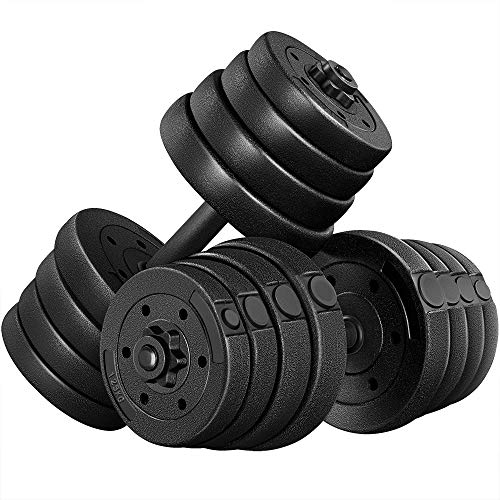
Yaheetech Adjustable Dumbbells Weight Set – 66LB Dumbbell Weights Exercise & Fitness Equipment w/ 4 Spinlock Collars & 2 Connector Options for Women & Men Gym Home Strength Bodybuilding Training
Non-Slip Knurled Handles: This dumbbell set features a hard plastic handle with diamond knurled texture on each bar…
As an affiliate, we earn on qualifying purchases.
As an affiliate, we earn on qualifying purchases.
Conclusion
By embracing exercise and encouraging endorphin release, you empower your mind and body to flourish. Consistent movement cultivates confidence, combats chaos, and creates a clear, calm core. Remember, small steps spark significant shifts—so start today, stay steady, and see how simple swings in activity can strengthen your mental wellness. With every effort, you’re building resilience, renewing your resolve, and renewing your radiance from within. Keep moving, and let your mental health manifest magnificently.

Aegend Swim Goggles, Swimming Goggles No Leaking Full Protection Adult Men Women Youth
Adult Swim Goggles-The Aegend has a significant influence. This adult swimming goggles are popular among swimming enthusiasts. With…
As an affiliate, we earn on qualifying purchases.
As an affiliate, we earn on qualifying purchases.

Fitbit Inspire 3 Health &-Fitness-Tracker with Stress Management, Workout Intensity, Sleep Tracking, 24/7 Heart Rate and more, Midnight Zen/Black One Size (S & L Bands Included)
Inspire 3 is the tracker that helps you find your energy, do what you love and feel your…
As an affiliate, we earn on qualifying purchases.
As an affiliate, we earn on qualifying purchases.