
TL;DR

Turn your wind-down time into listening time
- Thousands of audiobooks, podcasts and originals
- Listen on your phone, tablet or Echo — also offline
- Cancel anytime
A Sixty and Me contributor looks back on her first breast cancer diagnosis 25 years ago and a second diagnosis two years ago, describing treatment, surgery and emotional recovery. Her account is a personal reflection, not a new medical study or a report of a change in cancer guidance.
A contributor to Sixty and Me has published a personal reflection marking 25 years since her first breast cancer diagnosis, recounting two diagnoses, two mastectomies and reconstruction, and the emotional work of living with the experience. She says her second diagnosis came two years ago, at age 70; the account offers a survivor’s perspective rather than new clinical findings.
The writer says her first diagnosis was ductal carcinoma in situ (DCIS), an early form of breast cancer found in the milk ducts, with no lymph-node involvement. She describes being shocked by the diagnosis because, she writes, there was no cancer in her family, and says she worried about her children. Her first bout came months after the September 11, 2001, attacks on the World Trade Center.
She says that despite having annual mammograms, she was diagnosed at age 70 with invasive lobular breast cancer two years ago. This time, she reports, there was lymph-node involvement. Her treatment included radiation, mastectomy and reconstruction. She also says her cancer was estrogen-driven and that she began monthly injections of fulvestrant. These details are her account; the article does not provide medical records or further treatment information.
The contributor also describes lasting physical effects of surgery, including loss of sensation around the nipple area, and the challenge of adjusting to changes in her body. She credits support from her husband, a plastic surgeon and a nurse-therapist with helping her through different parts of recovery. She says journaling, meditation and time alone helped her process fear and grief, and that some journal writing later became published work.
A Survivor’s Account of Long-Term Recovery
The reflection brings attention to aspects of cancer survivorship that can continue well beyond treatment: changes in body image and sensation, emotional adjustment, and the need for support. The writer’s experience also shows that her two diagnoses were different: her first was DCIS without node involvement, while the second involved invasive lobular cancer and lymph nodes. Her story is personal and cannot establish what another person’s risk or treatment should be.
For readers, the account offers a patient’s perspective on how coping practices and close relationships figured into one woman’s life after diagnosis. It does not assess whether journaling, meditation or any particular treatment is effective for others. Medical decisions and questions about screening or treatment should be discussed with a qualified health professional.
Products Worth Considering

Fitbit Sense 2 Health and Fitness Smartwatch, Shadow Grey/Graphite

Philips Sonicare ProtectiveClean 5300 Rechargeable Electric Toothbrush with 3 Brush Heads, Black
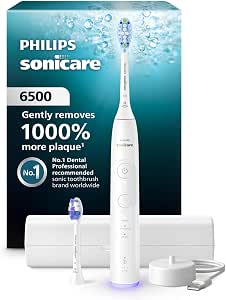
Philips Sonicare 6500 Series Rechargeable Electric Toothbrush with 2 Brush Heads, White
As an affiliate, we earn on qualifying purchases.
Two Diagnoses, Decades Apart
The contributor frames the first diagnosis as occurring 25 years before the reflection, shortly after the 2001 World Trade Center attacks. She says her second diagnosis came two years before writing, when she was 70. The article does not give exact diagnosis dates, the publication date of the reflection, or a detailed timeline of either treatment course.
Her first diagnosis was DCIS and, according to her account, had no node involvement. Her later diagnosis was invasive lobular breast cancer, with node involvement. She says the second diagnosis led to radiation and mastectomy with reconstruction, as well as monthly fulvestrant injections. The essay’s central focus is the writer’s experience and coping, rather than a review of cancer statistics or screening recommendations.
The writer connects her recovery to a longer practice of writing. She says her mother gave her a journal when she was 10 and that journaling continued through adulthood. She also describes a book, Healing with Words, as a “self-help memoir” that includes journaling prompts; she says the book marked its 15th anniversary the year before the reflection.
Details the Essay Does Not Provide
The reflection does not specify the exact dates of either diagnosis, the stage of the later cancer, or the full course and outcome of treatment. It also does not say whether the contributor is currently receiving treatment or what her present medical status is. Those points should not be inferred from her account of survival.
The piece offers no medical documentation or independent verification of the diagnosis and treatment details, and it does not report new research, clinical guidance or a public health announcement. Its breast cancer statistics are presented in the original essay without enough source detail here to assess their reference period or applicability; they should not be treated as a current estimate on the basis of this reflection alone.
The Writer’s Continuing Reflection
The source describes no planned follow-up report, event or new treatment announcement. The contributor presents the reflection as an opportunity to look back on survival and the practices that helped her cope, including writing and meditation. She closes by inviting readers to discuss how they remember difficult experiences and personal milestones.
Readers seeking current screening or treatment guidance should consult a qualified health professional or a reputable health authority. The essay does not set out to offer individualized medical advice or predict outcomes for other patients.
Key Questions
What is the news in “Celebrating My Survival: 25 Years Later”?
A Sixty and Me contributor has published a personal reflection marking 25 years since her first breast cancer diagnosis and describing a second diagnosis two years ago.
What breast cancers does the writer say she had?
She says her first diagnosis was DCIS without node involvement. She describes the later diagnosis as invasive lobular breast cancer with lymph-node involvement.
What treatment does the essay describe?
The writer says her second bout involved radiation, mastectomy and reconstruction, along with monthly fulvestrant injections. The essay is a personal account and does not provide a full medical record or treatment recommendation.
What helped the writer cope with recovery?
She credits support from her husband and care providers, along with journaling, meditation and time for reflection. These are practices she says helped her personally; the article does not claim they work the same way for everyone.
Does the reflection give current breast cancer advice?
No. It is a survivor’s reflection, not a clinical guide or update to screening recommendations. For personal questions about screening or treatment, readers should speak with a qualified health professional.
Source: rss