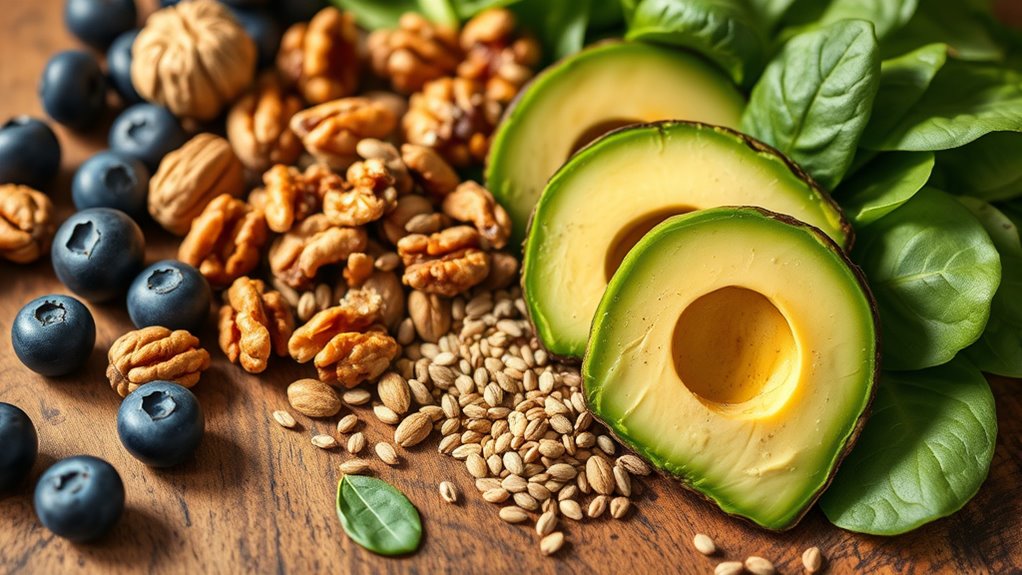

To support your brain and mental health, focus on eating nutrient-rich foods like fatty fish, nuts, seeds, fruits, and vegetables to boost antioxidants and omega-3s. Incorporate probiotic and prebiotic foods such as yogurt, garlic, and bananas to strengthen your gut-brain axis, which influences mood and clarity. Avoid processed foods high in sugar and trans fats that can harm brain function. Keep exploring to discover more simple ways to nourish your mind and emotional well-being.

Get self-care and calm essentials delivered free — and shop member deals
- Fast, free delivery on millions of items
- Access to Prime Big Deal Days deals on October 6–7
- Prime Video, Amazon Music and more included
Key Takeaways
- Consume omega-3-rich fatty fish like salmon to enhance brain cell membrane health and neuron communication.
- Include probiotic and prebiotic foods to support gut microbiome balance, influencing mood and mental clarity.
- Prioritize whole, unprocessed foods such as fruits, vegetables, nuts, and seeds to provide antioxidants and essential nutrients.
- Avoid processed foods high in sugar and trans fats to reduce inflammation and oxidative stress affecting mental health.
- Maintain proper hydration to support overall brain function and gut health, promoting emotional resilience.
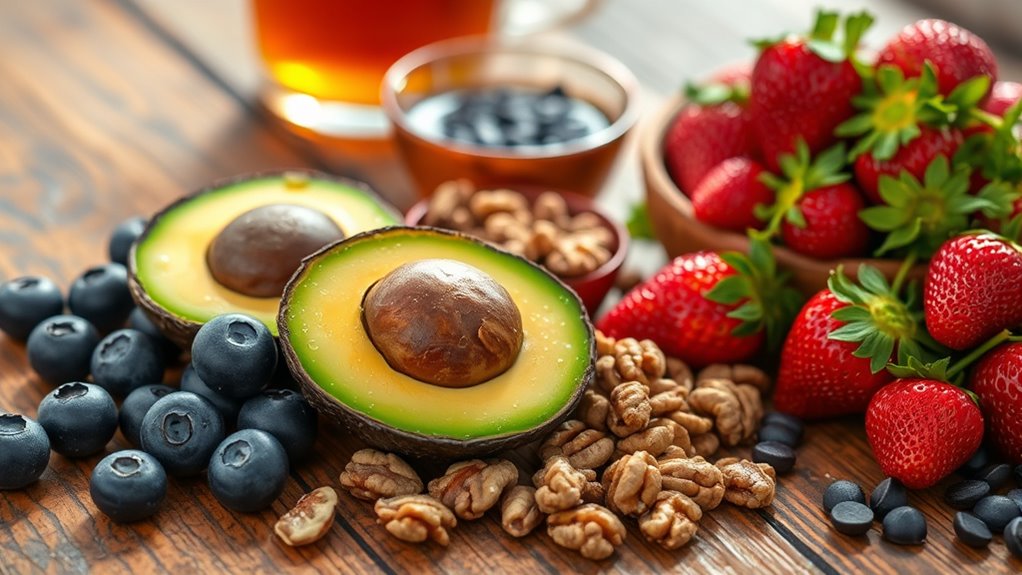
Did you know that what you eat can directly impact your mental health? The foods you choose can influence your mood, focus, and overall emotional well-being. One of the key nutrients that play a crucial role in supporting brain health is omega-3 fatty acids. These healthy fats are necessary for building and maintaining cell membranes in your brain, which helps improve communication between neurons. Consuming enough omega-3s, found in fatty fish like salmon, mackerel, and sardines, can reduce inflammation and may even help alleviate symptoms of depression and anxiety. Including these in your diet regularly can support cognitive function and emotional resilience.
Beyond omega-3s, your gut health also has a significant impact on your mental health through what’s called the gut-brain axis. This is a complex communication network linking your gastrointestinal system with your brain. When your gut microbiome — the collection of bacteria residing in your digestive system — is balanced and thriving, it produces neurotransmitters and other compounds that influence your mood and mental clarity. Conversely, an unhealthy gut can lead to increased inflammation and disrupt this communication, potentially worsening feelings of stress or depression. To nurture this essential connection, you should focus on eating probiotic-rich foods like yogurt, kefir, and fermented vegetables, along with prebiotic foods such as garlic, onions, and bananas that feed the beneficial bacteria.
Eating a diet rich in whole, unprocessed foods not only benefits your physical health but also strengthens your mental well-being. Incorporate plenty of fruits, vegetables, nuts, and seeds to provide your brain with antioxidants and essential nutrients that combat oxidative stress and support neural health. Avoid excessive consumption of processed foods high in sugar and trans fats, as these can promote inflammation and negatively affect your mood. Hydration also plays a role; drinking enough water ensures your brain functions at its best and supports the delicate balance within your gut-brain axis. Additionally, maintaining a balanced intake of nutrients like vitamins and antioxidants can help protect your brain from oxidative damage, further supporting mental health.
As an affiliate, we earn on qualifying purchases.
Frequently Asked Questions
Can Supplements Replace a Balanced Diet for Mental Health?
Supplements can’t replace a balanced diet for mental health because they often lack the full range of nutrients your brain needs. While supplement safety is important, relying solely on supplements can hinder nutrient absorption from whole foods. You benefit more when you eat a variety of nutrient-rich foods, which provide the essential vitamins and minerals that support your mental well-being. Prioritize a balanced diet for ideal brain health.
How Quickly Can Dietary Changes Improve Mental Health Symptoms?
Imagine switching to balanced meals with proper timing and reducing emotional eating. You might notice improvements in your mental health within a few days to weeks. For example, stabilizing blood sugar levels can boost mood quickly. Consistent meal timing prevents dips in energy, reducing emotional eating triggers. This proactive approach can lead to faster symptom relief, making you feel more balanced and resilient in a short amount of time.
Are There Specific Foods for Anxiety or Depression?
You can incorporate herbal remedies like chamomile or lavender, which serve as natural mood boosters for anxiety and depression. Foods rich in omega-3s, such as fatty fish, and those high in antioxidants, like berries, also help improve your mood. Avoid processed foods and excess sugar, which may worsen symptoms. Combining these dietary choices with herbal remedies can support your mental health naturally and effectively.
How Does Hydration Impact Mental Clarity and Mood?
Think of your brain like a car engine—it runs smoothly with the right amount of fuel and coolant. When your hydration levels drop, cognitive function declines, making it harder to focus and affecting your mood. Staying well-hydrated keeps your brain functioning at its best, sharpening mental clarity and stabilizing mood swings. So, drink enough water daily; it’s a simple way to support mental health and guarantee your mind stays clear and alert.
Are Organic Foods More Beneficial for Mental Health Than Conventional Ones?
Organic foods can be more beneficial for your mental health because they come from organic farming, which reduces your exposure to pesticides. Lower pesticide exposure may decrease the risk of neurotoxicity and inflammation, potentially improving mood and cognitive function. While both organic and conventional foods provide essential nutrients, choosing organic options minimizes chemical intake, supporting your overall mental well-being and helping you feel clearer and more balanced.
As an affiliate, we earn on qualifying purchases.
Conclusion
By choosing nutrient-rich foods, you’re fueling your brain like a well-tuned engine, helping to boost your mood and sharpness. Remember, what you eat directly impacts your mental health, so make smart choices that support your well-being. Incorporate colorful fruits, vegetables, and healthy fats into your diet daily. Just like a garden needs care to flourish, your brain thrives on nourishing foods—so treat it well and watch your mental health blossom.
mixed nuts and seeds for brain health
As an affiliate, we earn on qualifying purchases.
As an affiliate, we earn on qualifying purchases.
As an affiliate, we earn on qualifying purchases.
Fall Picks
fall essentials
As an affiliate, we earn on qualifying purchases.