
TL;DR
Stress relief toys for students help manage anxiety and improve focus by providing tactile and sensory engagement. They are affordable, safe, and most effective when combined with other stress management techniques.
Ever been in the middle of a test, feeling your heart race, hands tremble, and mind go blank? That’s stress hitting hard. Now imagine a simple, pocket-sized toy—like a squishy ball or a textured fidget cube—that can cut that tension. These aren’t just toys; they’re secret weapons students use every day to stay calm, focused, and ready to conquer.
In this article, you’ll discover the best stress relief toys for students, how they work, and practical tips to pick your perfect match. Whether you’re a student, parent, or teacher, understanding these tools can make a real difference during those high-stakes moments.
Choose stress relief toys based on your sensory preferences and safety features.
Squeeze balls, pop fidgets, and textured mats are among the most effective and popular options.
Safety matters: avoid small, toxic, or poorly made toys—look for non-toxic, durable materials.
Affordable options are widely available online and in stores, often costing less than $15 for a set.
Use stress toys as part of a broader stress management plan, not a standalone solution.
What Are Stress Relief Toys and Why Do Students Love Them?
Stress relief toys are small, handheld objects designed to give your hands and senses something to do—like squeezing, flipping, or squishing. For students, they’re a quick fix to ease anxiety during exams, homework, or social pressures. Think of them as mini mental health allies.
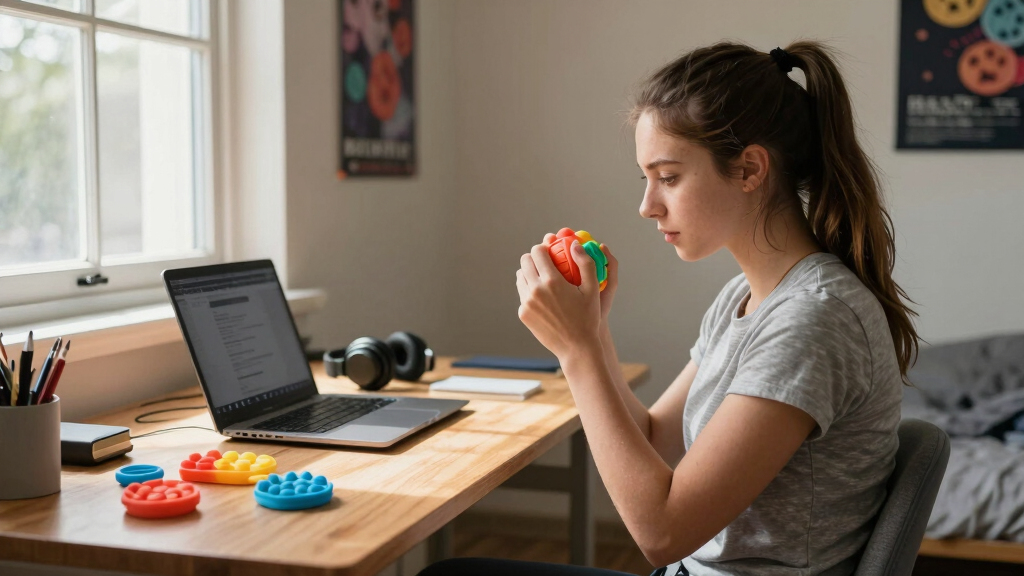
Take a typical college student cramming for finals. A stress ball becomes her go-to, helping her channel nervous energy into a calming squeeze. It’s simple, but it works—reducing tension and sharpening focus when she needs it most.

Fidget Toys Adults Sensory Stone: 6 Pack Textured Worry Stone for Autism Kids Calming Down – Fidget Stress Toys for Stress Relief – Small Students Prizes Fidget Toys
Sensory Fidget Toys for Adults: Harder than our colorful kids fidget worry stone, this hard version is more…
As an affiliate, we earn on qualifying purchases.
As an affiliate, we earn on qualifying purchases.
Top 5 Stress Relief Toys Students Swear By
| Toy Type | Why It Works | Best For |
|---|---|---|
| Squeeze Stress Balls | Relieve hand tension and lower cortisol levels. The repetitive squeezing provides a physical outlet for nervous energy, which can help calm the nervous system. This physical act can also help distract the brain from intrusive thoughts, making it easier to regain focus. However, over-reliance might reduce the effectiveness if it becomes a distraction or if the stress ball loses its firmness over time, which can diminish the tactile feedback essential for stress relief. | Students needing quick tension relief |
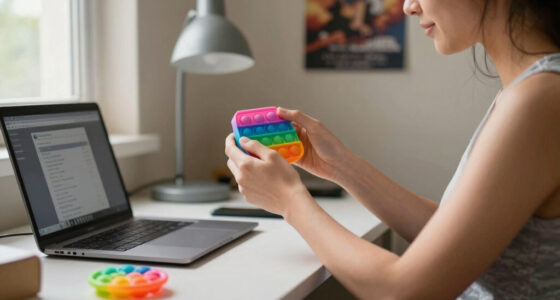
| Pop It Fidget Toys | Provide satisfying sensory feedback with audible pop sounds. The tactile clicking and popping engage the senses, which can redirect focus away from anxiety and help break cycles of rumination. This sensory engagement can also promote mindfulness by anchoring attention to the present moment. But, excessive noise or constant popping might become disruptive in quiet settings, so choosing quieter models or using them discreetly is important. The tradeoff involves balancing sensory stimulation with social appropriateness in different environments. | Students who love tactile and sound stimulation |
| Fidget Cubes | Offer multiple fidgeting options in one toy, catering to different sensory preferences. This variety can help students find what truly soothes them, providing multiple outlets for nervous energy. The different features—buttons, switches, rollers—can address various sensory needs, making the toy versatile. However, the multitude of options can also be distracting if not used intentionally, potentially pulling focus away from tasks. The key is to use these tools purposefully to channel energy without causing distraction, which requires self-awareness and discipline. | Students who like variety and discreet focus tools |
| Textured Tactile Mats | Engage senses through different textures and patterns, promoting mindfulness and grounding. These mats can help students stay present by focusing on the tactile sensations, which can interrupt negative thought patterns. They’re especially useful for students with sensory processing needs, offering a safe space for sensory input. The implication is that consistent use can enhance emotional regulation skills, but they may require a dedicated space or quiet time to be most effective, which might limit their practicality in some settings. | Students needing sensory input to stay grounded |
| Chewing Jewelry (Chewelry) | Reduce oral fixation and calm nerves by providing a safe chewing outlet. Chewelry can serve as a discreet tool to manage anxiety, especially for students who tend to chew on pens or nails. The safety and effectiveness depend on choosing high-quality, non-toxic options. Overuse might lead to oral fatigue or dependency, so moderation is advisable. The tradeoff involves balancing the calming benefits with potential over-reliance, which could hinder other coping strategies if not monitored. | Students who chew when anxious |
Each has its own magic, depending on what sensory input your brain craves during stress. Understanding these nuances helps you pick a tool that not only feels good but also enhances your ability to manage anxiety effectively. Choosing the right toy involves understanding your unique sensory needs and how each tool interacts with your stress response pathways, leading to more effective stress management over time.

Stress Balls Set, Squishy Stress Ball, 4 Pack Squeeze Ball for Adults, Squeeze Ball for Adults Stress Relieve, Stress Relieve, Increase Entertainment
Non-absorbent expandable toys, non-water beads, compliant with ASTM F963-23 safety standard.
As an affiliate, we earn on qualifying purchases.
As an affiliate, we earn on qualifying purchases.
How to Pick the Perfect Stress Toy for Your Needs
Choosing the right stress relief toy isn’t just about what looks fun. Think about your specific needs and preferences. Here’s a simple 3-step process:
- Identify your stress triggers: Do you need hand relief, sensory input, or oral fixation? Recognizing what calms you helps narrow options.
- Consider safety and durability: Is it non-toxic? Will it last through daily use? Durable materials ensure the toy doesn’t break easily, which is essential for safety and longevity.
- Match with your style: Do you prefer quiet, colorful, or textured toys? Something discreet or with loud feedback? Aligning the toy with your personal style increases the likelihood you’ll use it regularly.
For example, if you’re a student who fidgets constantly during lectures, a silent fidget cube might be your best bet. If you need quick relief during exams, a squeeze ball easily slips into your pocket. Remember, the most effective stress toy is the one you’re willing to use consistently, so personalize your choice accordingly. Reflecting on what sensory input or tactile feedback helps you most can guide you to a choice that becomes a natural part of your stress management routine.

PILPOC theFube Fidget Cube, 6-Sided Stress Relief Infinity Cube for Adults & Kids, Boosts Concentration, Mindfulness Aid, Silent & Audible Modes, Stocking Suffers for Boys, Kids and Adults (Midnight)
FIND CALM ANYWHERE: Feeling overwhelmed? PILPOC’s fidget cube is your ultimate stress reliever that fits in your pocket….
As an affiliate, we earn on qualifying purchases.
As an affiliate, we earn on qualifying purchases.
Safety First: What to Watch Out For in Stress Toys
Safety is key when choosing stress relief toys. Look for toys made from non-toxic, BPA-free materials. Avoid small parts that could be swallowed, especially for younger students. Durability matters—cheap, flimsy toys break fast and can cause frustration or choking hazards. For example, a toy with loose parts or sharp edges can pose significant risks, especially if children tend to chew or squeeze with force.
Imagine a student squeezing a toy that shreds apart, leaving tiny pieces. Not only does that waste money, but it can be dangerous if ingested. Always check reviews and labels before buying, and opt for trusted brands that prioritize safety standards. Recognizing potential hazards and investing in quality prevents accidents and ensures the stress relief remains a safe, effective tool.

6 Set Squishy Sensory Stress Squeezing Balls forAdults: Best Calming Tool to Relieve Anxiety, Vent Mood and Improve Focus, Easter Basket Stuffers for Kids, Goodie Bag Stuffers
✔️ PREMIUM STRESS BALLS: Searching for a great stress reliever or fidget toy for you and your kids?…
As an affiliate, we earn on qualifying purchases.
As an affiliate, we earn on qualifying purchases.
Where to Find Affordable, Quality Stress Toys for Students
Most stress relief toys are budget-friendly. You can find them online on Amazon, Etsy, or in local stores. Many schools are integrating these toys into wellness programs or counseling sessions, making them even more accessible. When purchasing, compare prices and read reviews to ensure quality without overspending. Buying in sets often offers better value, and many stores have discounts during back-to-school seasons or special sales.
For example, a set of 3-4 popular fidget toys can cost under $15, and they last for months with proper use. Investing in quality ensures safety and durability, saving money in the long run. The key is to balance cost with safety and durability to get the most value from your purchase.
The Latest Trends in Student Stress Relief Tools
Eco-friendly, tech-enabled, and personalized stress toys are changing the game. Think biodegradable squishies, calming sounds via apps, or custom-printed fidgets with your name or favorite colors. These innovations cater to a broader range of sensory preferences and environmental concerns, making stress relief more engaging and sustainable. Schools are also experimenting with virtual tools that simulate tactile experiences, like guided relaxation apps combined with sensory feedback, which can be especially beneficial for remote learning or students with sensory processing challenges. These trends reflect a move toward more holistic, customizable approaches to stress management, integrating physical and digital experiences for maximum benefit.
Imagine a student using a textured silicone mat while listening to calming music—combining physical and mental relaxation in one package. Such integrated tools can enhance focus and emotional resilience, making stress management more effective and appealing to tech-savvy students. The implication is that future stress relief methods are becoming more personalized, blending technology with sensory input to create richer, more adaptable solutions.
Can Stress Toys Really Help Students Stay Calm?
Yes, many studies support that tactile engagement can lower stress hormones like cortisol. For example, a 2018 study found that students who used fidget tools during exams scored higher and reported feeling less anxious, demonstrating that these toys can have tangible benefits. The physical act of squeezing or manipulating a toy provides a sensory outlet that can divert attention from stressors, helping to regulate emotions. This sensory input can interrupt negative thought patterns and promote relaxation. However, it’s important to recognize that stress toys are not a magic cure. Their effectiveness depends on proper use and pairing with other techniques like deep breathing, physical activity, or talking to a counselor. Overuse or reliance on these toys without addressing underlying stressors might reduce their overall benefit, so moderation and context are key to maximizing their calming effects. Understanding their role as part of a comprehensive stress management plan helps ensure they support healthy coping strategies.
Frequently Asked Questions
Are stress relief toys safe for all ages?
Most stress relief toys are safe for students of all ages when made from non-toxic, durable materials. Always check age recommendations and avoid small parts for younger children to prevent choking hazards.
Can using stress toys become a distraction?
Yes, if overused or used inappropriately, stress toys might distract from studying. Use them intentionally—like during breaks or moments of high anxiety—to gain their full calming benefit.
How often should I use a stress relief toy?
Use stress toys as needed—during stressful exams, long study sessions, or social situations. Regular use can build emotional resilience, but balance is key to avoid reliance.
Are there any brands you recommend?
Popular brands like Tangle, Fidget Cube, and Chillax offer high-quality, safe products. Look for reviews emphasizing safety, durability, and non-toxic materials.
Conclusion
In a world full of deadlines and distractions, a simple toy can be your secret weapon against stress. Find what feels right—whether it’s a squishy ball or a textured cube—and keep it close. That small, satisfying click or squeeze might just be what you need to stay calm and focused.
Remember, these tools are helpers, not magic cures. Pair them with good habits, and you’ll be better equipped to handle whatever school throws your way.