
Recognizing menopause-related mental health symptoms involves noticing mood swings, irritability, anxiety, or feelings of sadness that seem to come and go unexpectedly. You might also experience forgetfulness, difficulty concentrating, or “brain fog,” along with sleep problems like insomnia. These changes are often linked to hormonal shifts affecting your brain chemistry. Being aware of these signs can help you take steps to manage them effectively. If you want to understand more about these symptoms, there’s plenty to explore.
Key Takeaways
- Watch for emotional symptoms like irritability, anxiety, or sadness that may fluctuate with hormonal changes.
- Notice memory lapses, forgetfulness, or difficulty concentrating, often linked to hormonal fluctuations.
- Be aware of sudden mood swings, feelings of being overwhelmed, or increased emotional sensitivity.
- Recognize sleep disturbances, such as insomnia or disrupted sleep, which can affect mental health.
- Understand that hormonal shifts can cause these symptoms, indicating the need for support and management.
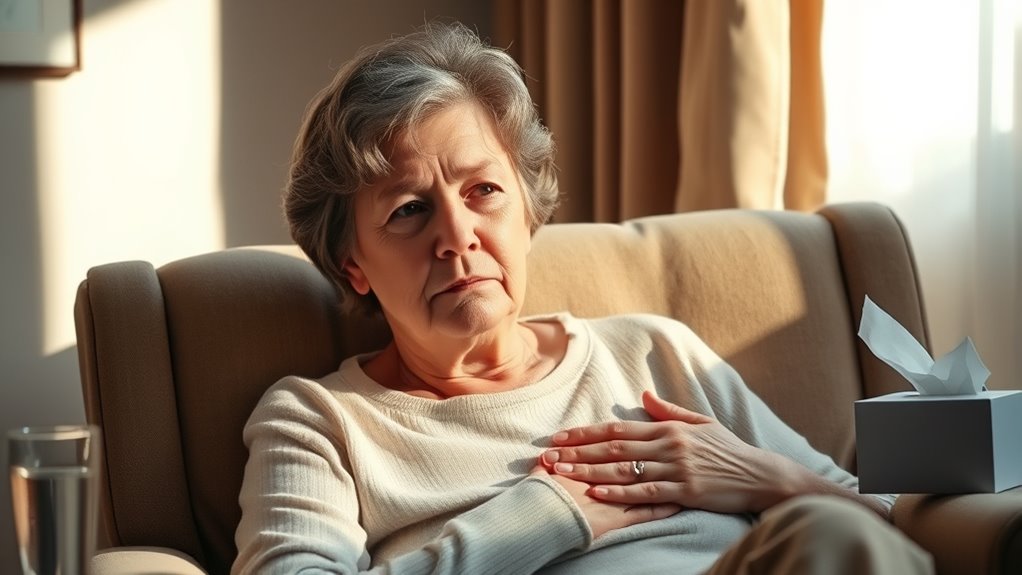
Menopause can bring notable changes to your mental health, affecting mood, memory, and emotional well-being. During this time, hormonal shifts—particularly fluctuations in estrogen and progesterone—play a central role in these changes. You might notice increased feelings of irritability, anxiety, or sadness that seem to come out of nowhere. These emotional shifts are common because hormones influence neurotransmitters in your brain, which regulate mood and emotional stability. Recognizing these symptoms early can help you seek appropriate support and manage your mental health more effectively.
Hormonal shifts during menopause significantly impact mood, memory, and emotional well-being.
As hormonal levels fluctuate, you may experience episodes of forgetfulness or difficulty concentrating. This “brain fog” can make everyday tasks feel more challenging, and you might worry about your cognitive health. It’s important to understand that these memory lapses are often temporary and linked to hormonal changes rather than underlying cognitive decline. Paying attention to your mental clarity and noting patterns can help you distinguish between normal menopausal symptoms and more serious issues that may require medical attention.
Mood swings are another hallmark of menopause-related mental health shifts. You might find yourself feeling unexpectedly overwhelmed, teary, or irritable. These emotional reactions are often a direct result of hormonal shifts disturbing the delicate balance of chemicals in your brain. You may also notice a decline in your overall emotional well-being, feeling less motivated or more withdrawn. Recognizing these signs as part of menopause can reduce anxiety about your mental health and encourage you to seek support, whether through counseling, support groups, or lifestyle adjustments.
Sleep disturbances are also common during menopause and can compound mental health symptoms. Insomnia or disrupted sleep patterns may leave you feeling exhausted, which can intensify feelings of irritability or depression. Poor sleep affects your emotional resilience and can make it harder to cope with stress. If you notice persistent sleep issues, addressing them can markedly improve your emotional well-being and mental clarity.
Understanding that these mental health symptoms are rooted in hormonal shifts provides reassurance and a pathway to managing them. You don’t have to accept mood swings, memory lapses, or emotional distress as permanent fixtures of menopause. Instead, you can explore ways to support your mental health—such as regular exercise, mindfulness practices, or medical treatments designed to stabilize hormones. Recognizing the signs early helps you take proactive steps to maintain your emotional well-being during this transitional phase. Additionally, awareness of hormonal fluctuations can help you better understand the connection between physical and mental health during menopause.
Frequently Asked Questions
How Can I Differentiate Menopause Symptoms From Other Mental Health Conditions?
You can differentiate menopause symptoms from other mental health conditions by paying attention to hormonal fluctuations and mood variations that coincide with your menstrual cycle or menopause progression. Unlike some mental health issues, menopause-related symptoms often include physical signs like hot flashes, night sweats, or irregular periods. Tracking your symptoms and discussing them with a healthcare professional can help determine if hormonal changes are the cause or if other conditions are involved.
Are There Specific Lifestyle Changes That Help Manage Menopause-Related Mental Health Issues?
You can manage menopause-related mental health issues through lifestyle changes like mindful eating and regular exercise. Mindful eating helps stabilize mood by balancing blood sugar levels, while regular exercise releases endorphins that boost your mood and reduce stress. Incorporate these habits into your daily routine to improve emotional well-being, feel more balanced, and handle menopause symptoms more effectively. Consistency is key for lasting benefits.
When Should I Seek Professional Help for Menopause-Related Mental Health Symptoms?
Think of your mental health as a delicate garden affected by hormonal shifts. When you notice persistent mood swings, overwhelming anxiety, or feelings of despair that don’t improve with self-care, it’s time to seek professional help. Emotional awareness is key—if these symptoms interfere with daily life or relationships, a mental health expert can help nurture your well-being and provide support through this challenging season.
Can Menopause Mental Health Symptoms Affect My Relationships?
Menopause mental health symptoms can considerably impact your relationships, causing mood swings, anxiety, or irritability. These changes may hinder menopause communication, making it harder to connect with your partner or loved ones. You might notice relationship impacts like misunderstandings or emotional distance. It’s important to openly discuss your feelings, seek support, and consider professional help if needed, to maintain strong, healthy relationships during this challenging time.
Are There Effective Alternative Therapies for Menopause-Related Mental Health Concerns?
Yes, there are effective alternative therapies for menopause-related mental health concerns. You might find herbal remedies like black cohosh or St. John’s Wort helpful, but always check with your doctor first. Acupuncture treatments can also reduce symptoms such as anxiety and mood swings. These approaches may complement your existing care plan, providing relief without the side effects of hormone therapy, and can help improve your overall well-being during menopause.
Conclusion
Now that you know the signs of menopause-related mental health symptoms, don’t brush them under the rug. Recognizing these changes is the first step to getting the help you need. Remember, it’s better to nip problems in the bud than let them grow into bigger issues. Listen to your body, seek support when needed, and don’t be afraid to ask for help—after all, awareness is the key to riding out the storm.